11 Comfort-First Home Ideas to Steal
There’s a noticeable shift happening in how people design their spaces. It’s no longer just about how a home looks—it’s about how it feels. A true Comfort-First Home focuses on ease, warmth, and livability without sacrificing style. It’s the kind of space where you can fully relax at the end of a long day, where…

There’s a noticeable shift happening in how people design their spaces. It’s no longer just about how a home looks—it’s about how it feels. A true Comfort-First Home focuses on ease, warmth, and livability without sacrificing style. It’s the kind of space where you can fully relax at the end of a long day, where every detail quietly supports your comfort instead of competing for attention.
Across the USA, more homeowners and renters are moving away from overly staged interiors and leaning into spaces that feel personal, soft, and inviting. This doesn’t mean messy or unstructured. It means thoughtful choices that prioritize how you live daily—how you sit, rest, move, and unwind.
In this guide, you’ll discover 11 practical, beautifully simple ideas that transform your home into a place that feels as good as it looks. These upgrades are not about trends. They’re about creating a space you’ll genuinely love living in every single day.
1. Layered Soft Lighting
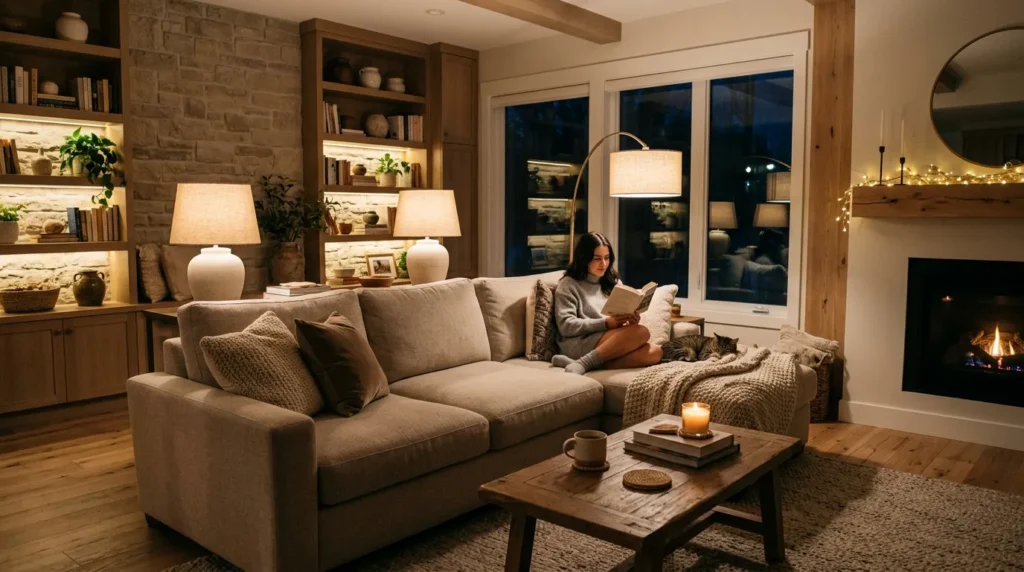
- Combines table lamps, floor lamps, and ambient lights
- Uses warm white bulbs for softness
- Reduces harsh overhead glare
- Creates a calm evening atmosphere
The quickest way to shift your home’s mood is by adjusting the lighting. Bright overhead lights often feel harsh and clinical, especially after sunset. Layered soft lighting introduces warmth and depth by spreading light across different areas of the room. In my experience, adding just two warm lamps in opposite corners can completely transform the atmosphere, making the space feel instantly more relaxed and welcoming.
Once lighting is softened, the entire room feels more comfortable to exist in. I’ve noticed that textures like fabrics and wood begin to stand out more beautifully under warm light. This subtle change encourages you to slow down, unwind, and actually enjoy your space rather than just move through it quickly.
2. Plush Seating Zones
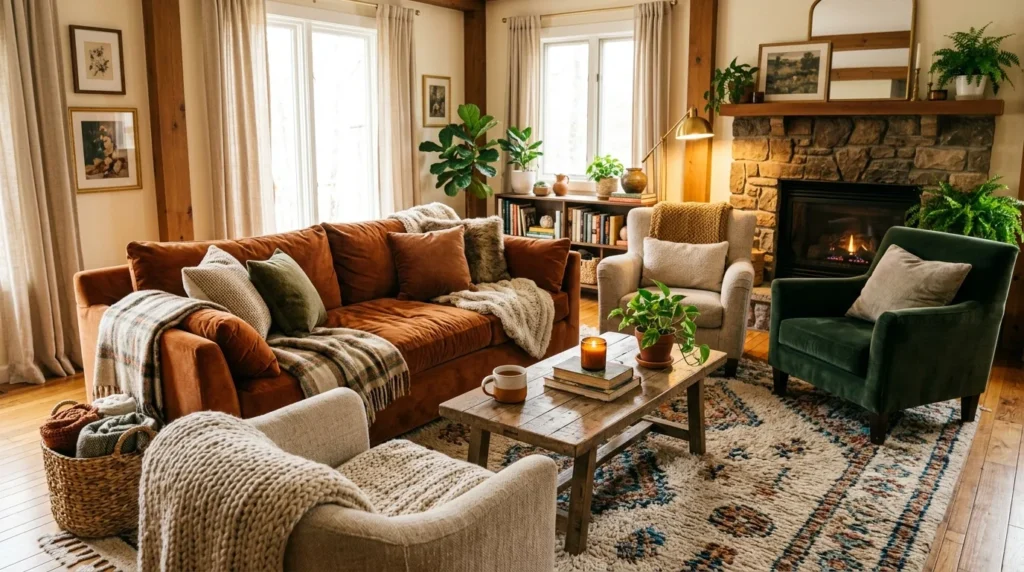
- Adds comfort-focused furniture
- Encourages relaxation and lounging
- Uses soft upholstery materials
- Creates inviting gathering spots
Seating should feel like an invitation, not just a necessity. Plush sofas, cushioned chairs, and soft ottomans instantly make a space more livable. That’s why many designers recommend prioritizing comfort over rigid styles when choosing furniture. In my experience, deeper seating with soft cushions makes a huge difference in how often you actually use your living area.
When seating feels comfortable, the room naturally becomes more active. I’ve seen this work well in many homes where a cozy couch becomes the central hub for relaxing, reading, or spending time with family. It’s not just about appearance—it’s about how the space supports your everyday life.
3. Warm Neutral Layers
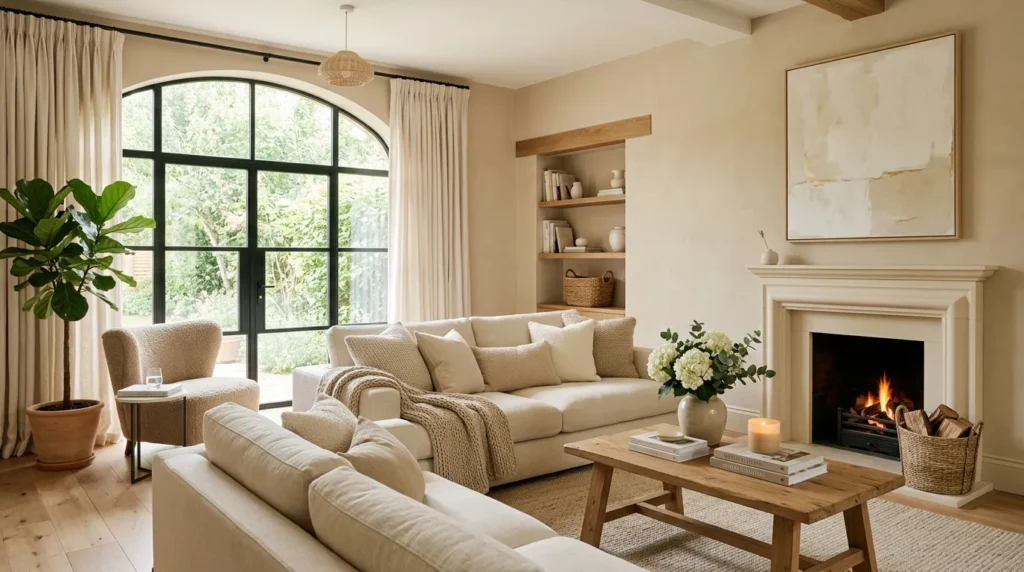
- Uses beige, cream, and soft brown tones
- Creates a calming environment
- Blends seamlessly with decor
- Adds visual softness
Color has a powerful effect on how a room feels. Warm neutrals create a sense of calm that makes your home feel balanced and inviting. Instead of sharp contrasts, these tones flow together naturally, making the space feel cohesive.
In my experience, layering these colors across walls, furniture, and textiles creates depth without clutter. I’ve noticed that even simple rooms feel more refined when the palette stays consistent. This approach allows comfort to take center stage while still maintaining a polished look.
4. Cozy Textile Layers
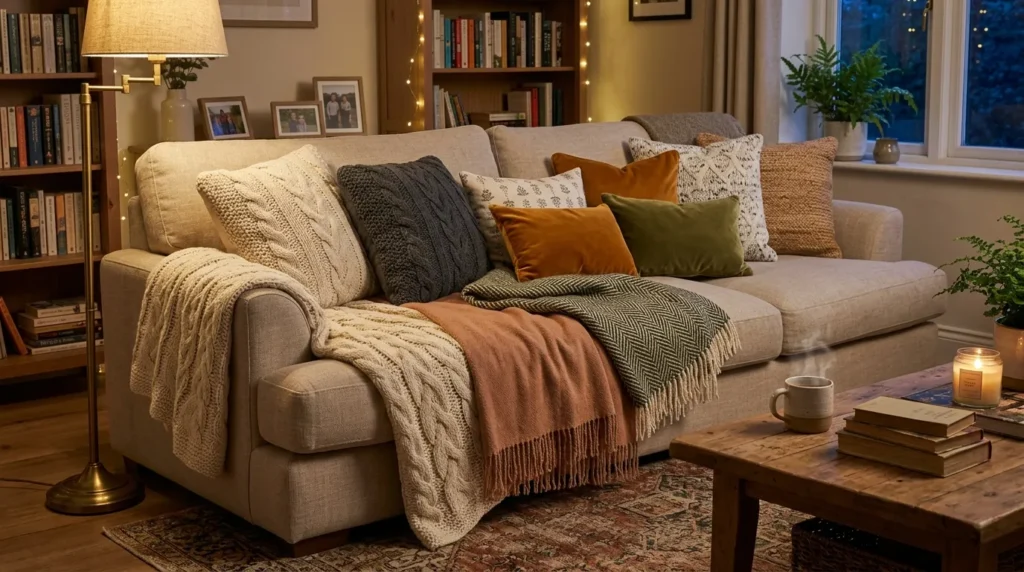
- Adds throws, cushions, and soft fabrics
- Enhances warmth and texture
- Creates visual depth
- Makes spaces feel lived-in
Texture is what brings a room to life. Soft textiles like knit throws, linen cushions, and woven blankets create an immediate sense of coziness. In my experience, layering these elements casually rather than perfectly styled makes the space feel more natural and relaxed.
Once you introduce multiple textures, your home starts to feel more inviting. I’ve noticed that even a minimal room becomes warm and comfortable with the right fabrics. It’s one of the simplest ways to upgrade your space without major changes.
5. Oversized Area Rugs
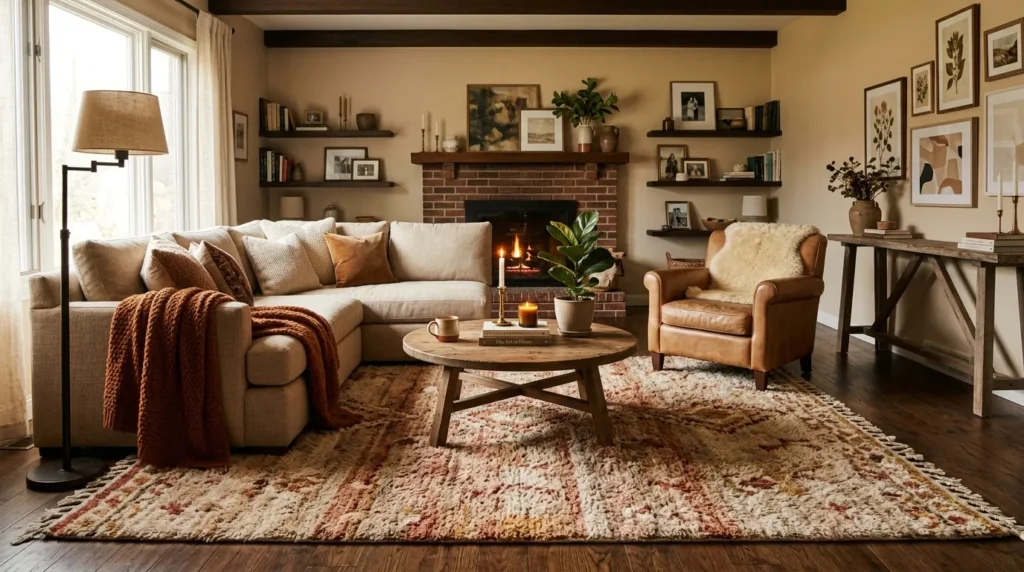
- Defines seating areas
- Adds softness underfoot
- Connects furniture visually
- Enhances warmth
A large rug does more than just decorate—it anchors the room. It creates a soft foundation that ties everything together while adding physical comfort. That’s why many designers recommend going larger than expected when choosing a rug.
In my experience, stepping onto a soft rug instantly makes a room feel more comfortable. I’ve seen this work especially well in open layouts where rugs help create cozy zones within larger spaces. It’s a practical upgrade with a strong visual impact.
6. Natural Wood Elements
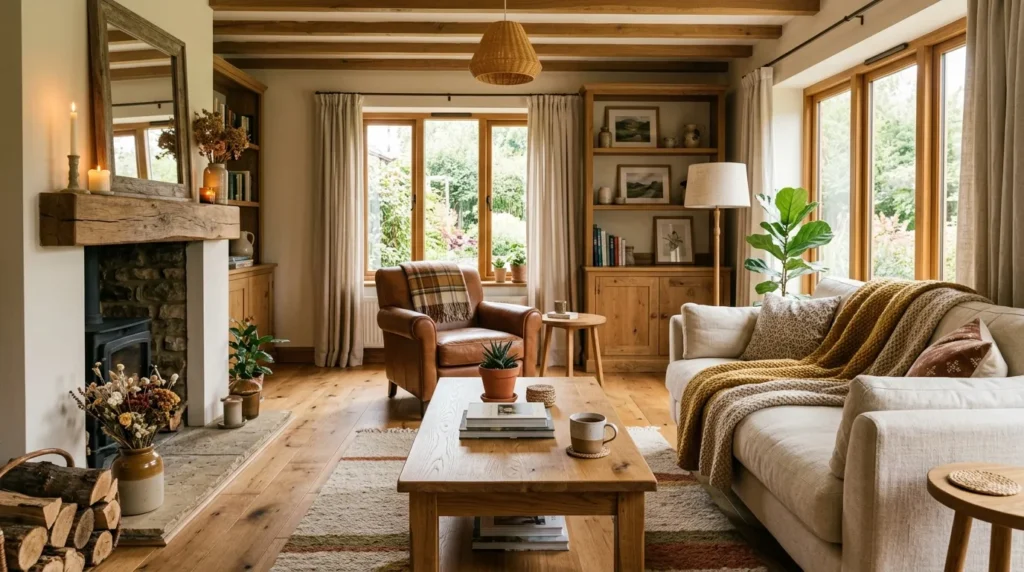
- Adds warmth and texture
- Balances soft fabrics
- Brings organic feel
- Works in furniture and decor
Wood introduces a natural warmth that makes any space feel grounded. Whether it’s a coffee table, shelving, or small decor accents, wood adds a subtle richness.
I’ve noticed that combining wood with soft textiles creates a balanced look that feels both cozy and structured. In my experience, natural finishes work best because they highlight texture rather than hide it, making the space feel more authentic.
7. Ambient Candle Corners
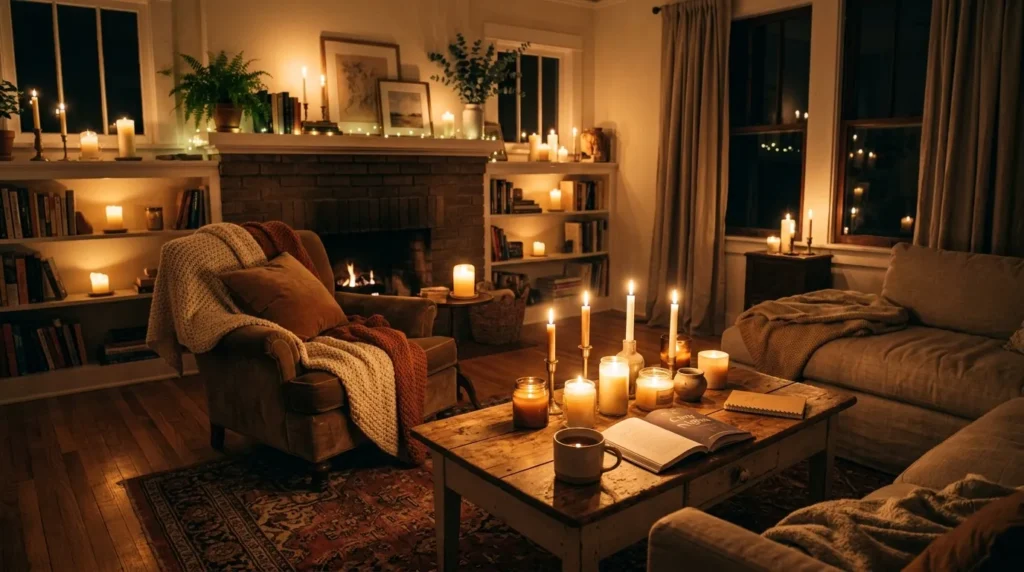
- Creates soft, flickering light
- Enhances relaxation
- Adds sensory warmth
- Works in clusters
Candles add a level of comfort that no other lighting can replicate. Their gentle glow creates a calming environment perfect for unwinding.
In my experience, placing candles in small clusters around the room creates a stronger visual effect. I’ve seen this work well in many homes where candlelight becomes part of the evening routine, instantly making the space feel more peaceful and inviting.
8. Relaxed Window Drapes
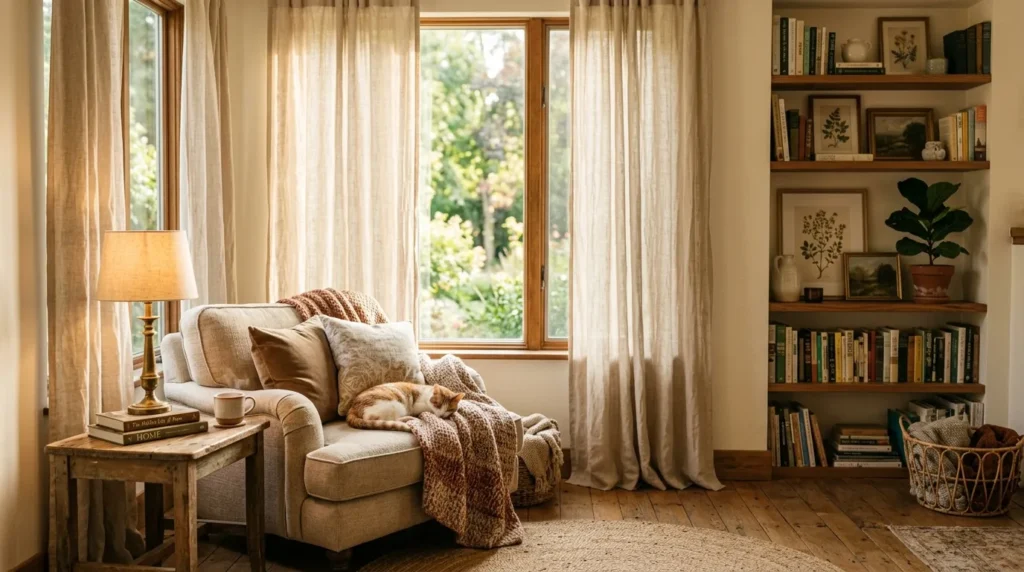
- Softens incoming light
- Adds movement to the room
- Creates cozy atmosphere
- Frames windows beautifully
Curtains do more than block light—they shape how a room feels. Soft, flowing drapes in neutral tones create a sense of warmth and calm.
I’ve noticed that floor-length curtains instantly elevate a space while still keeping it relaxed. In my experience, lightweight fabrics like linen work best because they allow natural light to filter through gently, creating a soft glow.
9. Personal Comfort Corners
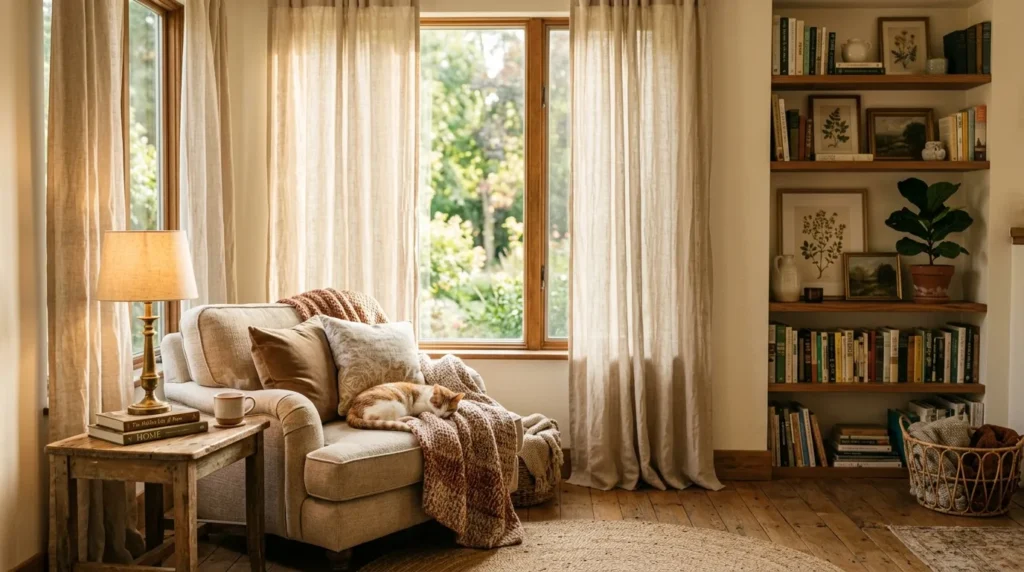
- Creates dedicated relaxation spots
- Adds chairs, blankets, or small tables
- Encourages downtime
- Feels intimate and cozy
Every home benefits from a small space designed just for comfort. A reading chair, a soft blanket, and a small table can create a perfect corner for relaxing.
In my experience, these small zones make a big difference. I’ve seen this work well in many homes where even a quiet corner becomes a favorite spot. It encourages slowing down and enjoying simple moments.
10. Subtle Scent Layers
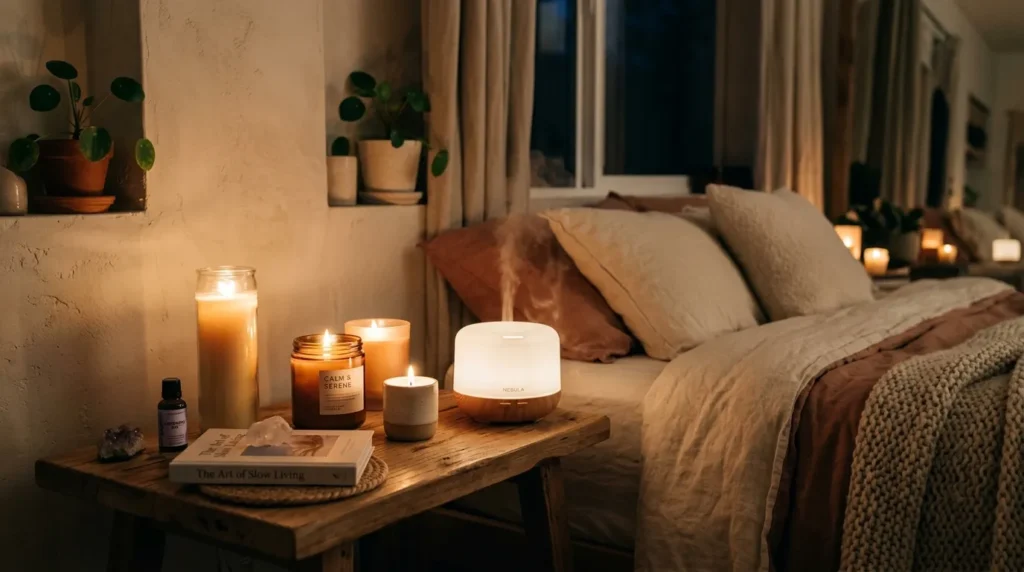
- Adds candles or diffusers
- Creates calming atmosphere
- Enhances sensory comfort
- Complements decor
Scent is often overlooked in home design, but it plays a huge role in how a space feels. Warm, soft fragrances make your home more inviting.
I’ve noticed that subtle scents work best. In my experience, when scent is layered gently, it enhances the overall environment without overpowering it, creating a space that feels truly complete.
11. Minimal Clutter Styling
- Keeps surfaces clean
- Reduces visual stress
- Highlights key decor
- Maintains calm atmosphere
Clutter can quickly take away from a comfortable environment. Keeping surfaces simple allows your space to breathe.
In my experience, removing excess items often improves a room more than adding new ones. I’ve seen this work in many homes where simplicity creates a sense of calm, making the space feel more open and inviting.