
10 Homestead Skills
Homesteading has become increasingly popular as more people look for practical ways to live more sustainably, save money, and become less dependent on store-bought products. Whether you live on a large rural property, a suburban lot, or even in a small apartment, learning basic homestead skills can make everyday life more rewarding while helping you…
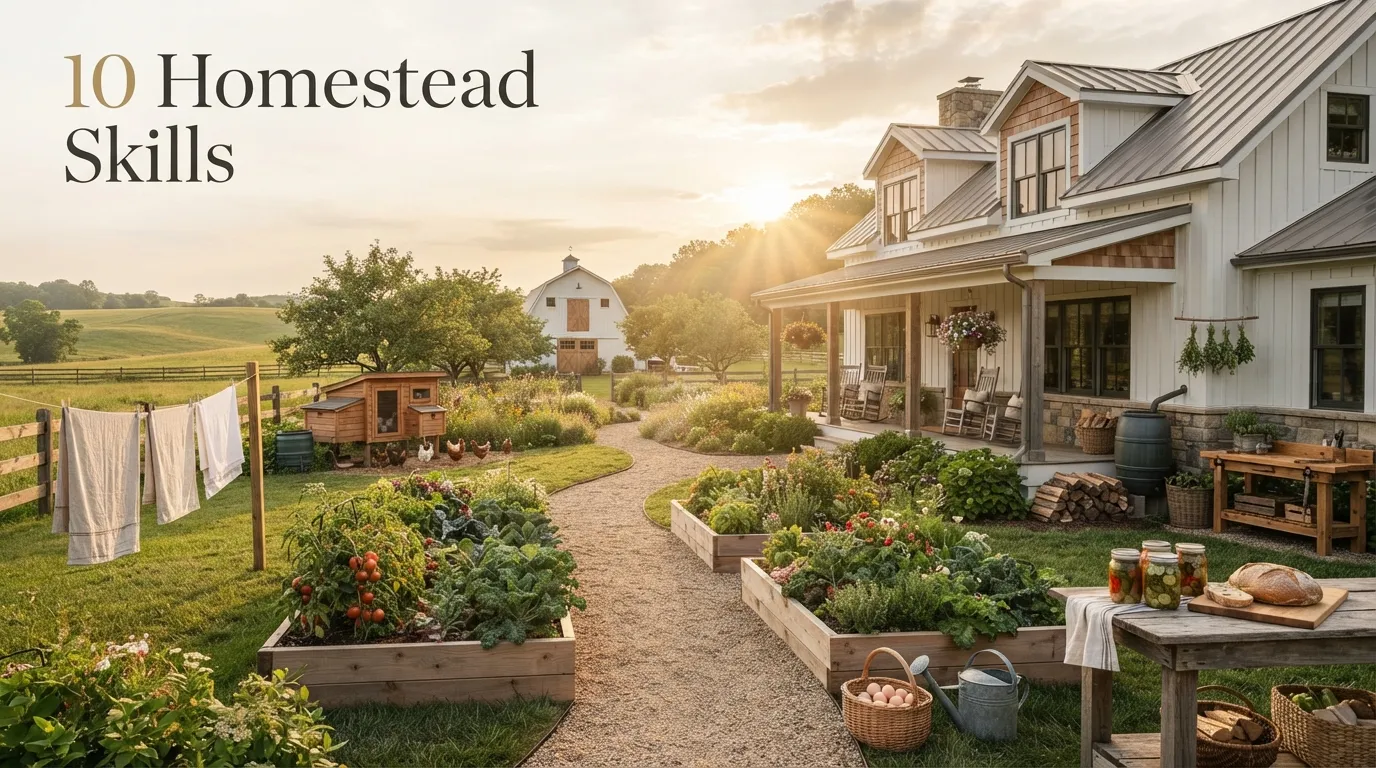
Homesteading has become increasingly popular as more people look for practical ways to live more sustainably, save money, and become less dependent on store-bought products. Whether you live on a large rural property, a suburban lot, or even in a small apartment, learning basic homestead skills can make everyday life more rewarding while helping you build confidence and self-sufficiency.
One of the biggest misconceptions about homesteading is that you need acres of land, livestock, or expensive equipment to get started. In reality, many traditional homestead skills can be learned almost anywhere. Simple practices like preserving food, growing herbs, baking bread, repairing household items, and composting can have a meaningful impact on your home and budget.
I’ve noticed that the most successful homesteaders don’t try to master everything at once. Instead, they gradually build practical skills that fit their lifestyle and available space. Small projects often lead to greater confidence, making it easier to take on more advanced tasks over time.
Whether your goal is to reduce household expenses, prepare healthier meals, grow your own food, or simply become more self-reliant, these homestead skills provide an excellent starting point. Each idea is practical, beginner-friendly, and designed to help you create a more sustainable home, one step at a time.
Table of Contents
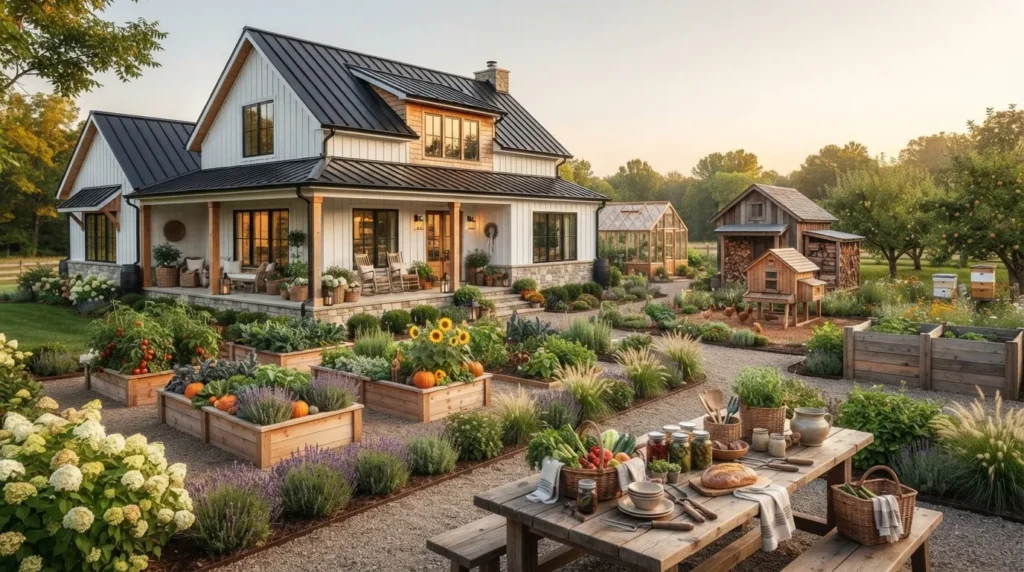
- Grow Fresh Herbs
Start with easy edible plants. - Learn Food Preservation
Reduce waste and extend freshness. - Bake Homemade Bread
Develop a timeless kitchen skill. - Start Composting
Create nutrient-rich soil naturally. - Basic Sewing Repairs
Extend the life of clothing. - Raise a Vegetable Garden
- Make Natural Cleaners
- Collect Rainwater
- Learn DIY Home Repairs
- Practice Simple Cooking from Scratch
1. Grow Fresh Herbs
Quick Benefits
- Saves money
- Fresh ingredients year-round
- Beginner-friendly
- Works in small spaces
- Improves home cooking
Why It Works
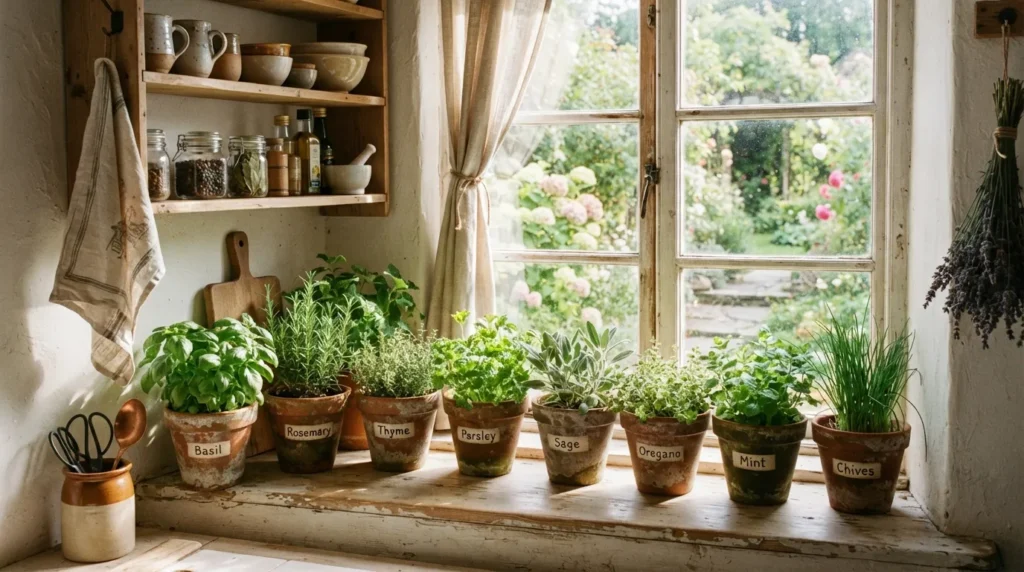
Growing herbs is one of the easiest ways to begin homesteading because it requires very little space or experience. Basil, parsley, mint, rosemary, thyme, and chives grow well in containers, raised beds, or sunny windowsills, making them ideal for both homeowners and apartment dwellers.
I’ve found that harvesting fresh herbs from your own home makes everyday cooking more enjoyable while reducing grocery expenses over time.
How To Style It
Plant herbs in terracotta pots, raised planters, or kitchen windowsill containers with well-draining soil. Group herbs with similar watering needs together for easier maintenance.
Use decorative labels and natural wood planters to create an attractive kitchen or patio herb garden.
2. Learn Food Preservation
Quick Benefits
- Reduces food waste
- Saves money
- Extends shelf life
- Preserves seasonal produce
- Builds self-sufficiency
Why It Works
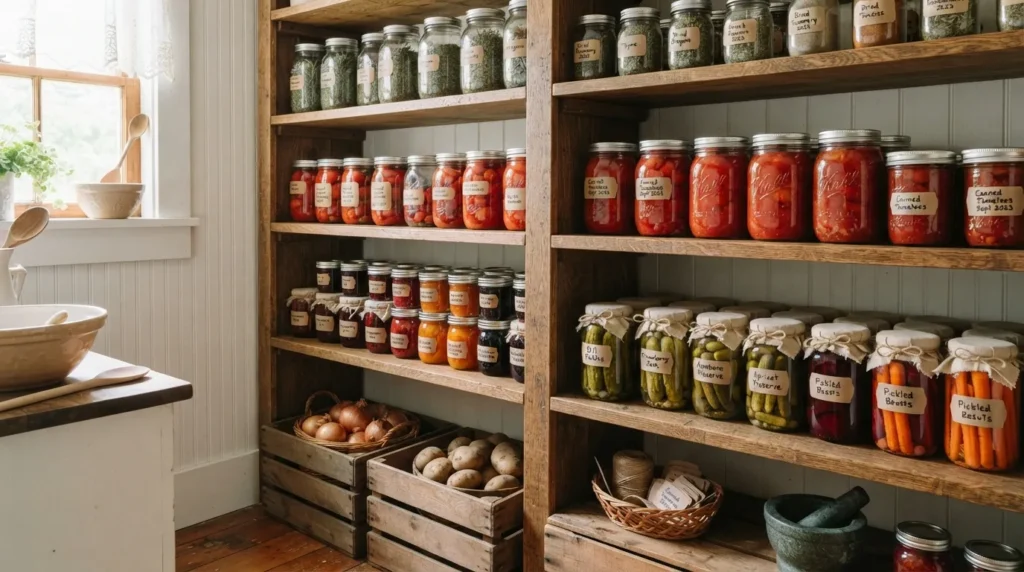
Food preservation allows you to enjoy seasonal fruits and vegetables throughout the year while reducing waste. Freezing, dehydrating, pickling, and water-bath canning are practical methods that help maximize harvests and grocery purchases alike.
One thing that works especially well is starting with simple freezer preservation before learning more advanced canning techniques.
How To Style It
Store preserved foods in labeled glass jars or freezer containers organized by date. Keep pantry shelves clean and well organized so ingredients remain easy to access throughout the year.
Begin with jams, pickles, tomato sauce, or frozen herbs before expanding your preservation skills.
3. Bake Homemade Bread
Quick Benefits
- Saves money
- Uses simple ingredients
- Tastes fresher
- Builds kitchen confidence
- Creates comforting meals
Why It Works
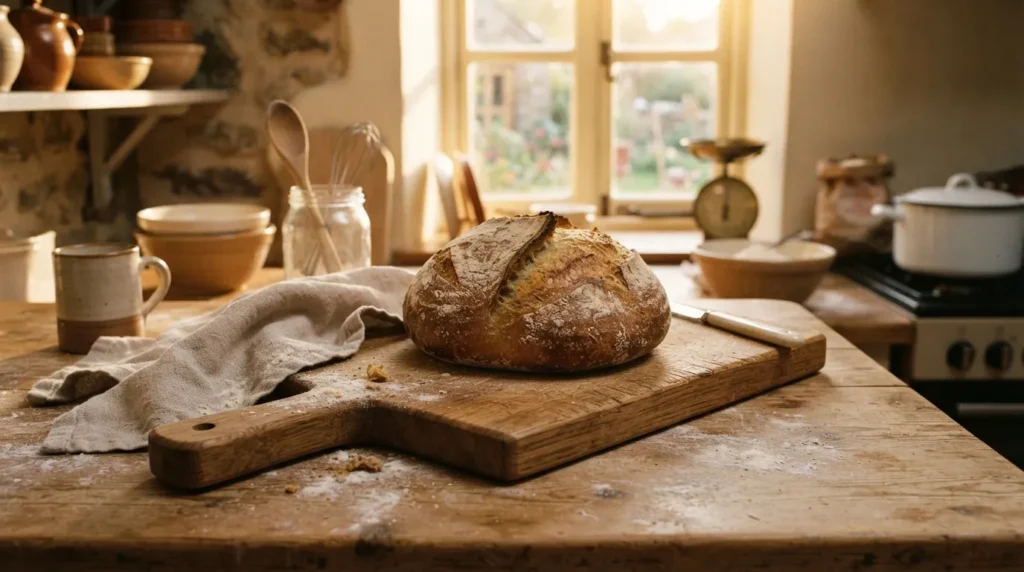
Homemade bread has been a cornerstone of traditional homesteading for generations. Learning to bake bread teaches valuable kitchen skills while providing healthier, fresher loaves made without unnecessary preservatives.
I’ve noticed that baking becomes easier with practice, and even basic recipes can become family favorites that replace many store-bought options.
How To Style It
Start with simple sandwich bread or rustic artisan loaves using flour, yeast, water, salt, and olive oil. Store bread in reusable cloth bags or bread boxes to maintain freshness.
Pair fresh bread with homemade soups, jams, or herb butter for comforting homemade meals.
4. Start Composting
Quick Benefits
- Reduces household waste
- Creates healthy soil
- Supports gardening
- Eco-friendly practice
- Improves plant growth
Why It Works
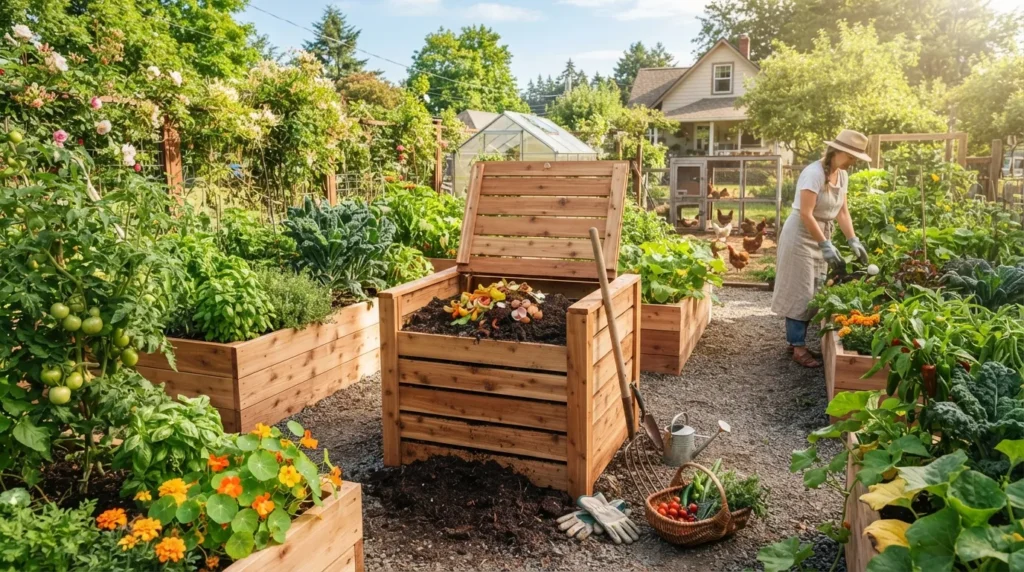
Composting transforms kitchen scraps and yard waste into nutrient-rich compost that benefits gardens, flower beds, and container plants. It reduces landfill waste while improving soil structure naturally.
In my experience, composting quickly becomes part of everyday routines because it’s simple, rewarding, and beneficial for nearly every type of garden.
How To Style It
Use a compost bin, tumbler, or dedicated backyard pile. Combine fruit scraps, vegetables, leaves, coffee grounds, and grass clippings while avoiding meat or dairy products.
Turn compost regularly and maintain a balance of green and brown materials for healthy decomposition.
5. Basic Sewing Repairs
Quick Benefits
- Extends clothing life
- Saves money
- Reduces waste
- Easy beginner skill
- Builds independence
Why It Works
Knowing how to sew on a button, repair a seam, or patch small holes helps clothing and household textiles last significantly longer. These simple repairs reduce replacement costs while minimizing unnecessary waste.
I’ve found that basic sewing skills quickly pay for themselves because many common repairs take only a few minutes once you’ve learned the fundamentals.
How To Style It
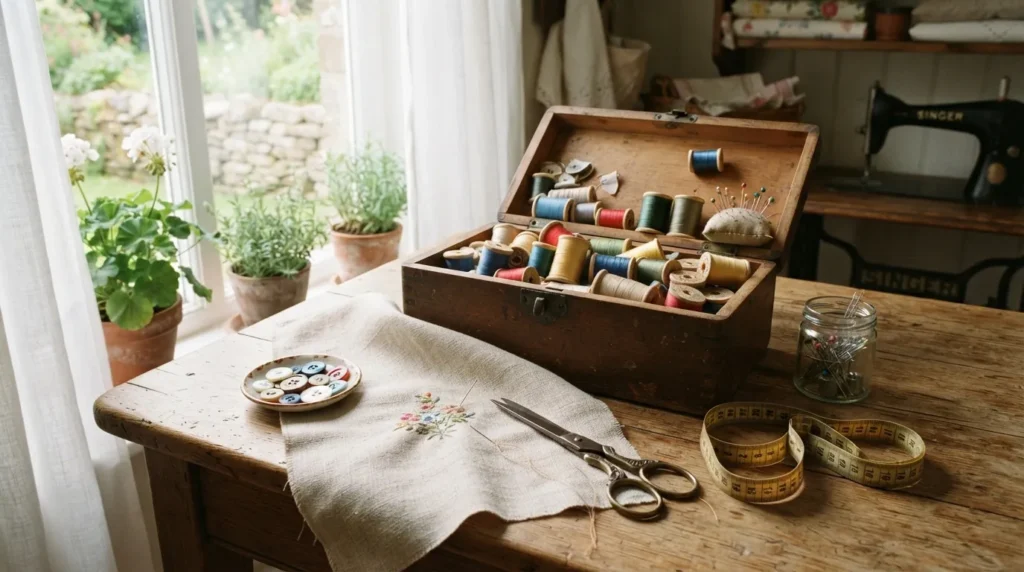
Keep a small sewing kit stocked with needles, thread, scissors, measuring tape, safety pins, and replacement buttons. Store everything in a portable container that’s easy to access whenever repairs are needed.
Practice on older clothing before repairing favorite garments.
6. Raise a Vegetable Garden
Quick Benefits
- Produces fresh food
- Lowers grocery costs
- Encourages healthy eating
- Builds gardening skills
- Increases self-sufficiency
Why It Works
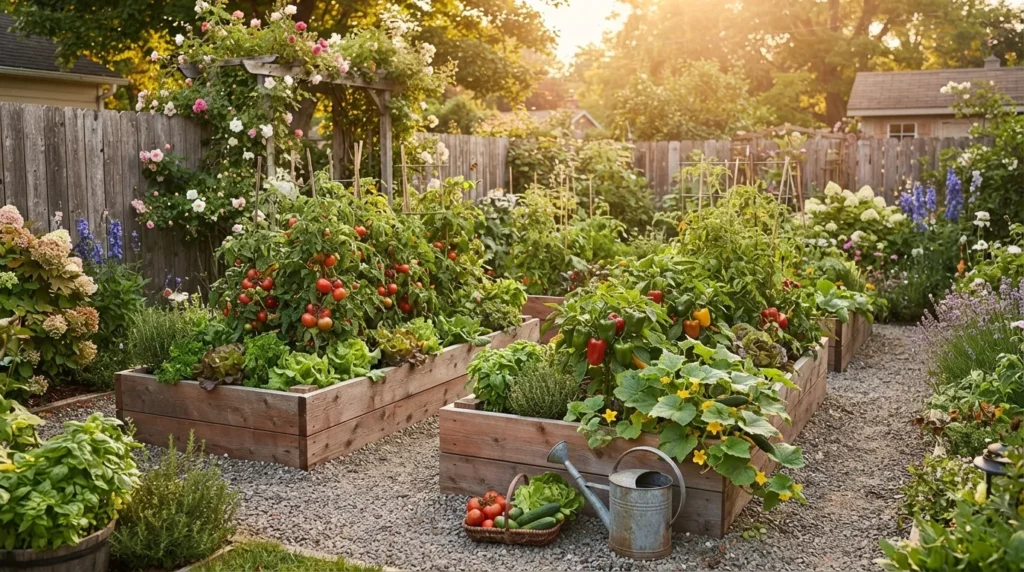
Growing your own vegetables is one of the most rewarding homestead skills because it provides fresh produce while teaching patience and seasonal planning. Even a few raised beds or containers can produce tomatoes, peppers, lettuce, cucumbers, beans, and herbs throughout the growing season.
I’ve noticed that beginners often achieve the best results by starting with a few easy-to-grow crops rather than trying to plant a large garden immediately.
How To Style It
Build raised beds or use large containers filled with nutrient-rich soil. Position your garden where it receives six to eight hours of sunlight daily and install a simple drip irrigation system or watering schedule.
Label each crop and use mulch to help retain moisture while reducing weeds.
7. Make Natural Cleaners
Quick Benefits
- Reduces household chemicals
- Saves money
- Uses simple ingredients
- Eco-friendly
- Easy to customize
Why It Works
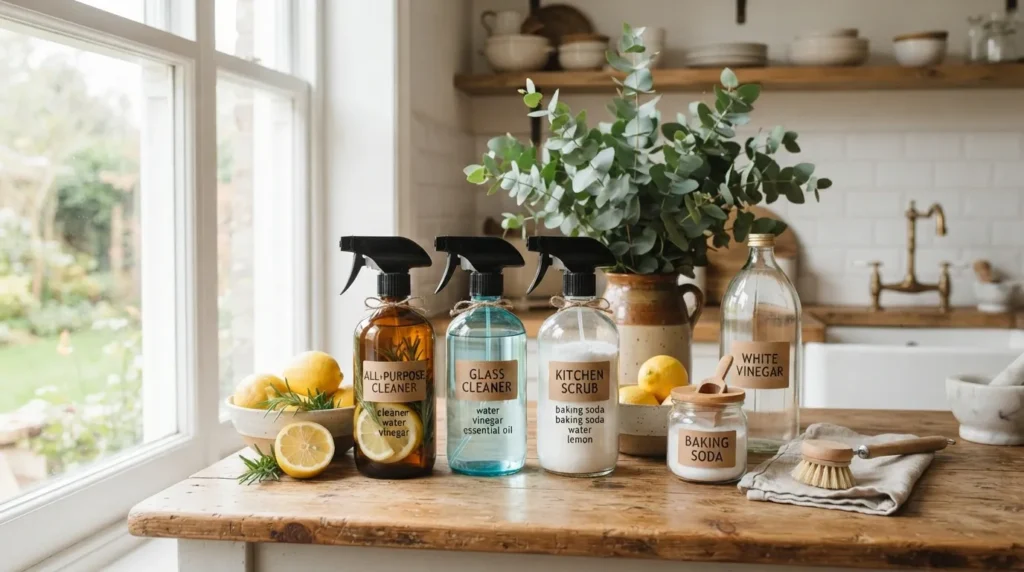
Many effective household cleaners can be made using common pantry ingredients like white vinegar, baking soda, lemon juice, and castile soap. Homemade cleaning products reduce unnecessary chemicals while providing an affordable alternative to many commercial products.
One thing that works especially well is preparing a few all-purpose cleaners that can be used throughout the home instead of purchasing multiple specialized products.
How To Style It
Store homemade cleaners in labeled glass spray bottles or reusable containers. Keep ingredients organized in a dedicated cabinet for easy access.
Add essential oils like lemon or lavender for a fresh scent while maintaining a simple cleaning routine.
8. Collect Rainwater
Quick Benefits
- Conserves water
- Lowers utility costs
- Supports gardening
- Sustainable practice
- Reduces runoff
Why It Works
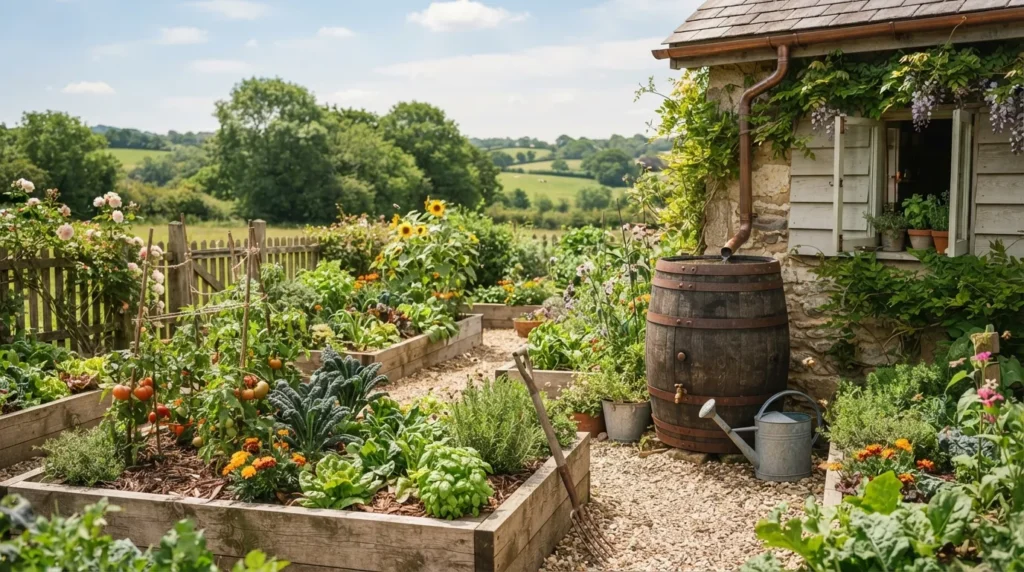
Rainwater collection is a traditional homestead practice that provides a free water source for gardens, flower beds, and outdoor cleaning tasks. Capturing rainfall reduces dependence on municipal water while helping conserve natural resources.
In my experience, even a single rain barrel can provide enough water to support a small vegetable garden during dry periods.
How To Style It
Install rain barrels beneath gutter downspouts and cover them securely to prevent debris from entering. Connect hoses or watering cans for convenient garden irrigation.
Choose durable food-grade barrels designed specifically for outdoor water collection.
9. Learn DIY Home Repairs
Quick Benefits
- Saves repair costs
- Builds confidence
- Improves home maintenance
- Prevents larger problems
- Valuable lifelong skill
Why It Works
Basic home repair skills allow homeowners to solve many everyday maintenance issues without hiring professional help. Learning to patch drywall, replace caulk, fix loose cabinet hardware, or unclog drains can save both time and money.
I’ve found that small repair projects often prevent much larger and more expensive problems later, making this one of the most practical homestead skills anyone can develop.
How To Style It
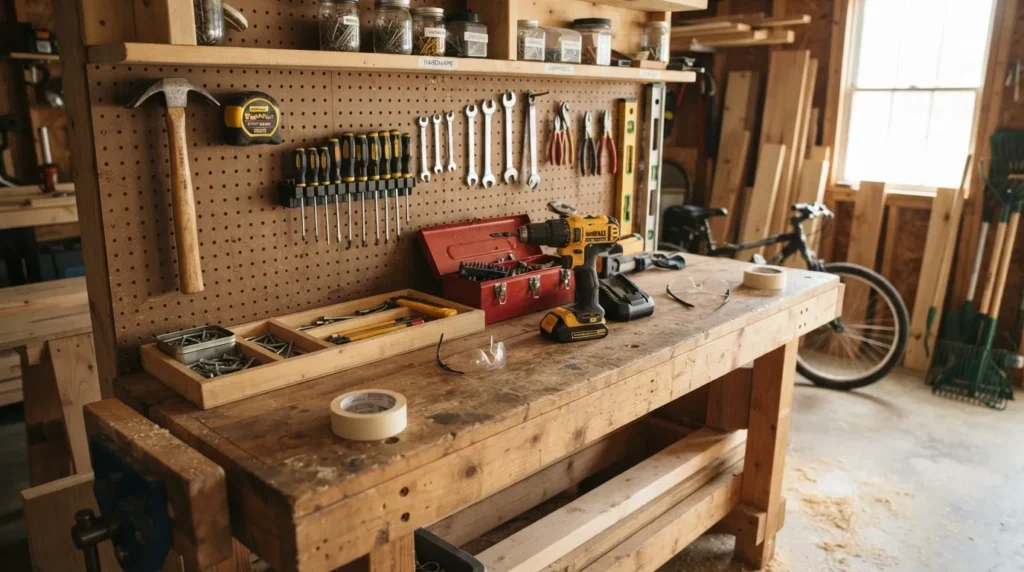
Build a basic toolbox containing a hammer, screwdrivers, adjustable wrench, tape measure, drill, utility knife, and level. Organize tools neatly so they’re always easy to locate.
Begin with simple repairs before progressing to more advanced projects as your confidence grows.
10. Practice Simple Cooking from Scratch
Quick Benefits
- Healthier meals
- Saves money
- Uses fewer processed foods
- Improves cooking skills
- Supports self-sufficiency
Why It Works
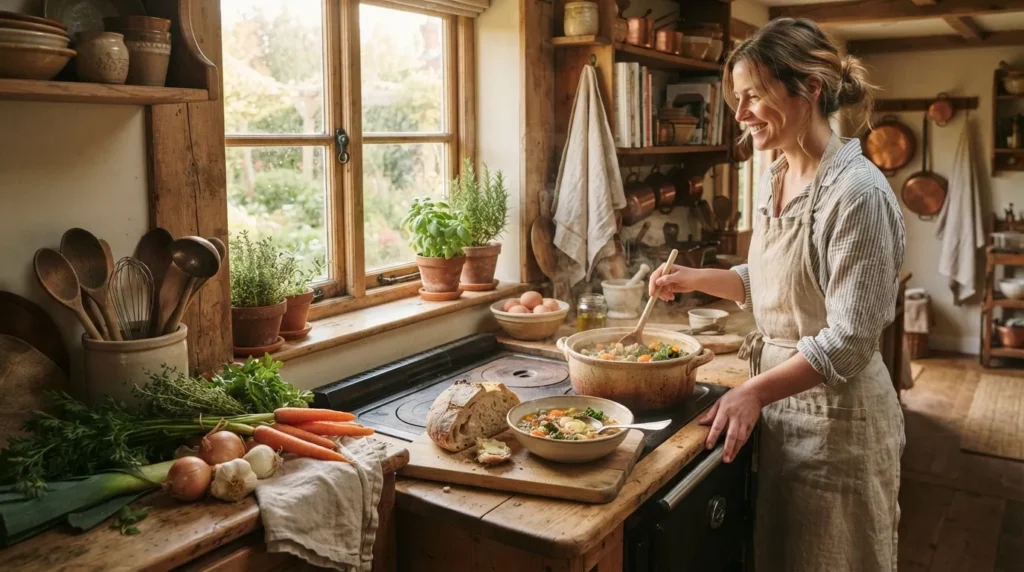
Cooking from scratch is one of the foundations of traditional homesteading. Preparing soups, sauces, casseroles, breads, and desserts using whole ingredients gives you greater control over nutrition while reducing reliance on processed foods.
I’ve noticed that families who regularly cook from scratch often waste less food because ingredients are used more intentionally throughout the week.
How To Style It
Start by preparing simple recipes using seasonal produce and pantry staples. Plan weekly meals that reuse ingredients to minimize waste and simplify grocery shopping.
Store homemade foods in glass containers and organize your pantry to keep cooking efficient and enjoyable.
Frequently Asked Questions
Can you start homesteading without land?
Yes. Many homestead skills like baking, food preservation, sewing, composting with countertop systems, herb gardening, and homemade cleaning products can be practiced in apartments or small homes.
What is the easiest homestead skill for beginners?
Growing herbs is one of the easiest places to start because it requires minimal space, basic supplies, and very little gardening experience.
How much money can homesteading save?
Savings vary depending on the skills you develop. Growing vegetables, preserving food, repairing clothing, and cooking from scratch can significantly reduce household expenses over time.
Do I need expensive equipment to begin homesteading?
No. Most beginner homestead skills require only basic gardening supplies, kitchen tools, or simple household equipment that many people already own.
What vegetables are easiest for beginners?
Tomatoes, lettuce, radishes, green beans, cucumbers, zucchini, peppers, and herbs are excellent choices for new gardeners because they’re relatively easy to grow.
Why is cooking from scratch considered a homestead skill?
Cooking from scratch encourages self-sufficiency by reducing reliance on processed foods while helping families prepare healthier meals using simple, whole ingredients.
Conclusion
Homesteading isn’t about living off the grid or owning a large farm. It’s about developing practical skills that increase self-sufficiency, reduce waste, and create a more intentional way of living. Every small step—from growing herbs to learning basic home repairs—builds confidence while making everyday life more rewarding.
The beauty of homesteading is that you can begin wherever you are. Whether you have a backyard garden or a sunny apartment windowsill, each new skill helps you become more independent while creating a stronger connection to your home and daily routines.
Start with one skill that interests you most and build from there. Over time, these simple habits can transform not only your home but also the way you approach everyday living.
Related Articles
- 10 DIY Garden Projects
- 10 Backyard Garden Ideas
- 10 Raised Garden Bed Ideas
- 10 Pantry Organization Ideas
- 10 Small Vegetable Garden Ideas