10 How to Arrange Furniture
Introduction Arranging furniture may seem straightforward, but the way pieces are positioned can dramatically affect how comfortable, functional, and inviting a room feels. Even beautifully decorated spaces can appear awkward or cramped if the furniture layout doesn’t support natural movement or everyday living. Fortunately, you don’t need a larger home or expensive new furniture to…
Introduction
Arranging furniture may seem straightforward, but the way pieces are positioned can dramatically affect how comfortable, functional, and inviting a room feels. Even beautifully decorated spaces can appear awkward or cramped if the furniture layout doesn’t support natural movement or everyday living. Fortunately, you don’t need a larger home or expensive new furniture to create a better layout. A few thoughtful adjustments can completely transform the way a room looks and functions.
Many homeowners automatically place furniture against every wall, believing it creates more space. In reality, this often leaves rooms feeling disconnected and less welcoming. Designers typically focus on creating conversation areas, balancing visual weight, and maintaining comfortable traffic flow to make rooms feel both spacious and practical.
I’ve noticed that the best furniture layouts are based on how people actually use the space. Whether it’s a living room for family movie nights, a bedroom designed for relaxation, or a home office that supports productivity, every furniture arrangement should prioritize comfort before decoration.
Whether you’re decorating a compact apartment, a spacious family home, or simply refreshing an existing room, these furniture arrangement ideas will help you maximize space while creating a balanced, designer-inspired layout that feels both beautiful and functional.
Table of Contents
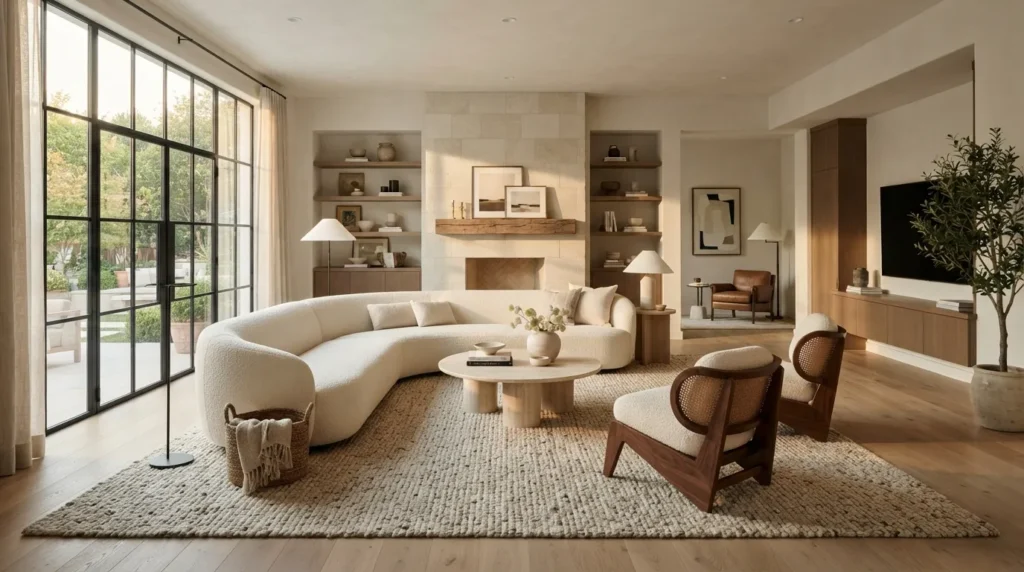
- Find the Focal Point
Build the layout around the room’s main feature. - Create Conversation Areas
Arrange seating for comfortable interaction. - Improve Traffic Flow
Keep pathways open and functional. - Balance Furniture Sizes
Distribute visual weight evenly. - Anchor with Rugs
Define spaces using area rugs. - Float Furniture
- Use Multi-Purpose Pieces
- Maximize Corners
- Maintain Proper Spacing
- Finish with Accessories
1. Find the Focal Point
Quick Benefits
- Creates visual balance
- Simplifies furniture placement
- Improves room flow
- Highlights architectural features
- Makes decorating easier
Why It Works
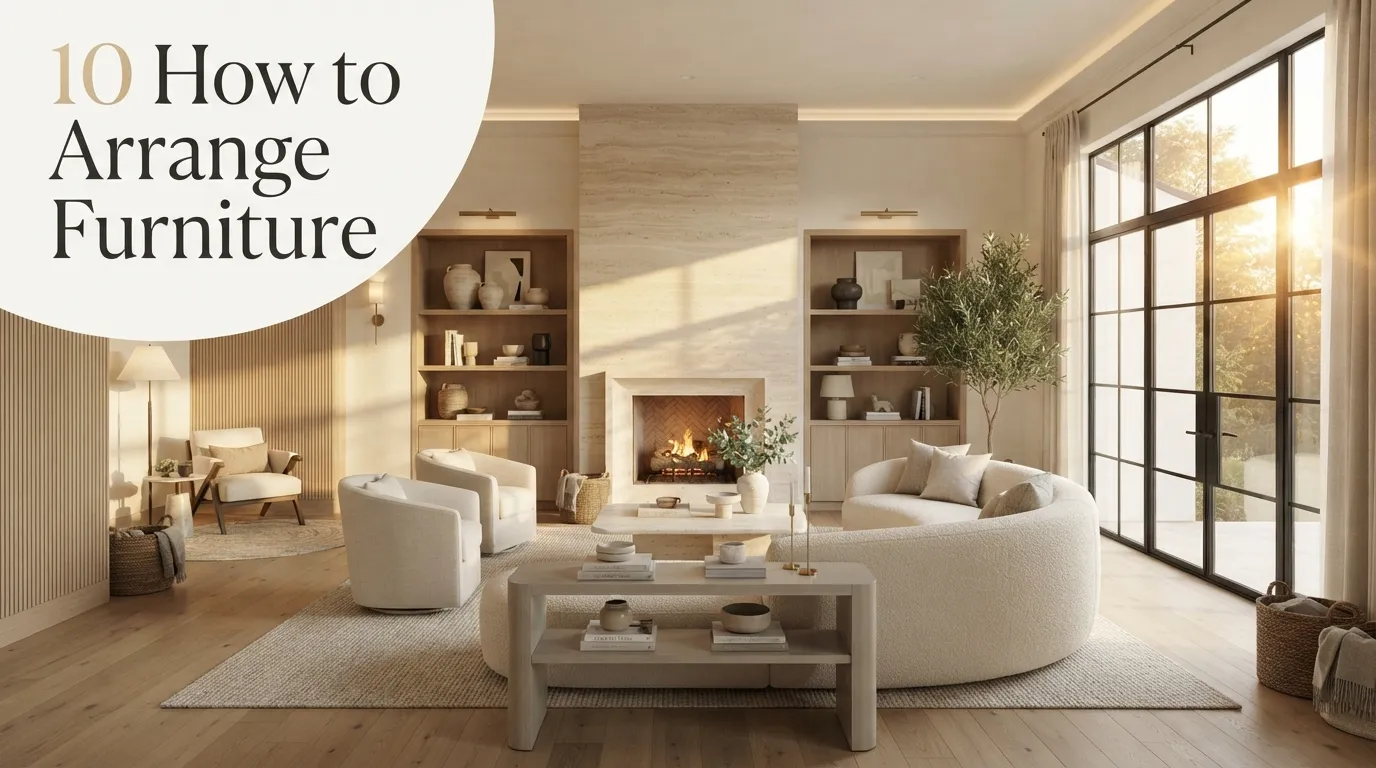
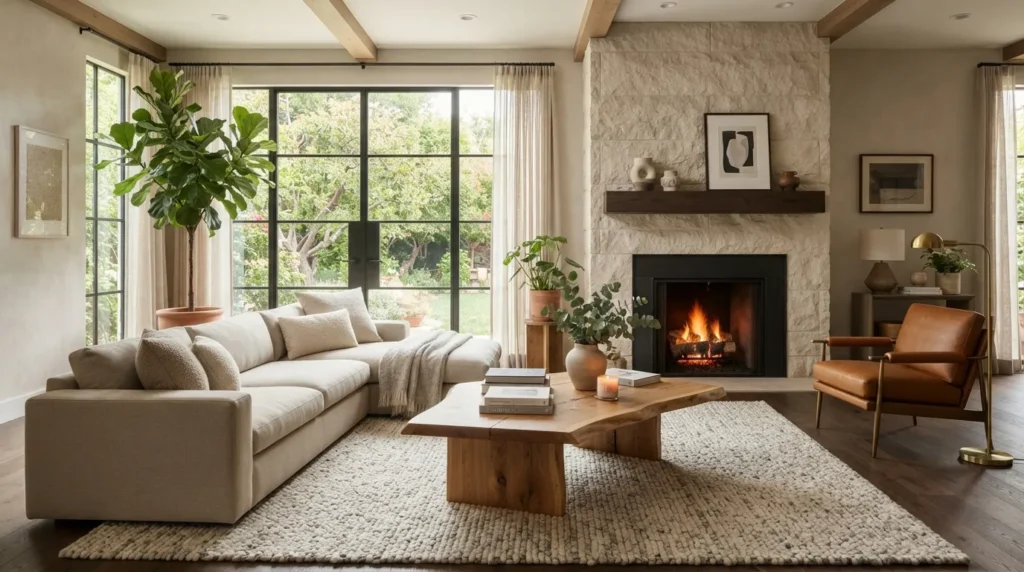
Every room benefits from having a clear focal point that naturally draws attention. Fireplaces, large windows, entertainment centers, or statement artwork often become the central feature around which furniture should be arranged. Establishing this visual anchor helps create a layout that feels intentional rather than random.
I’ve found that starting with the focal point eliminates much of the guesswork involved in arranging furniture. Once it’s identified, the rest of the layout comes together much more naturally.
How To Style It
Position your largest furniture piece, such as the sofa or bed, facing or complementing the focal point. Arrange secondary furniture around it while maintaining open sightlines and comfortable movement.
Add lighting, artwork, or greenery to emphasize the focal feature without overwhelming the space.
2. Create Conversation Areas
Quick Benefits
- Encourages social interaction
- Makes rooms feel inviting
- Improves functionality
- Creates balanced layouts
- Enhances comfort
Why It Works
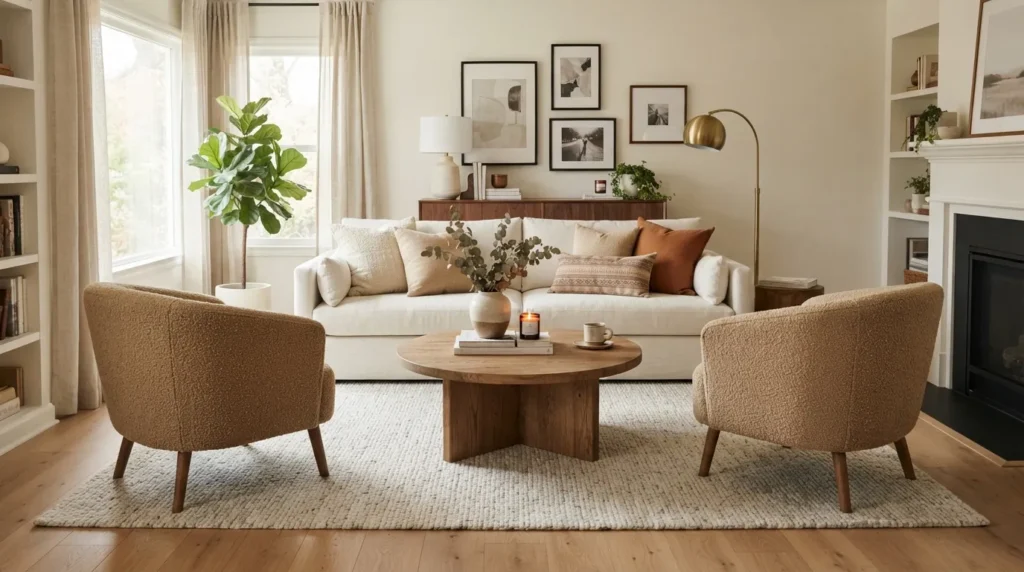
Furniture should encourage conversation rather than isolate people. Arranging seating so chairs and sofas face one another naturally creates welcoming gathering spaces where family and guests feel comfortable interacting.
One thing that works especially well is positioning seating close enough for conversation without requiring people to raise their voices. This creates a warm, intimate atmosphere while maintaining an open layout.
How To Style It
Place sofas and chairs facing one another around a coffee table or area rug. Add side tables within easy reach and include layered lighting to enhance comfort.
Complete the seating area with throw pillows and blankets for additional warmth and texture.
3. Improve Traffic Flow
Quick Benefits
- Makes rooms feel larger
- Improves everyday functionality
- Prevents crowded layouts
- Creates comfortable movement
- Enhances accessibility
Why It Works
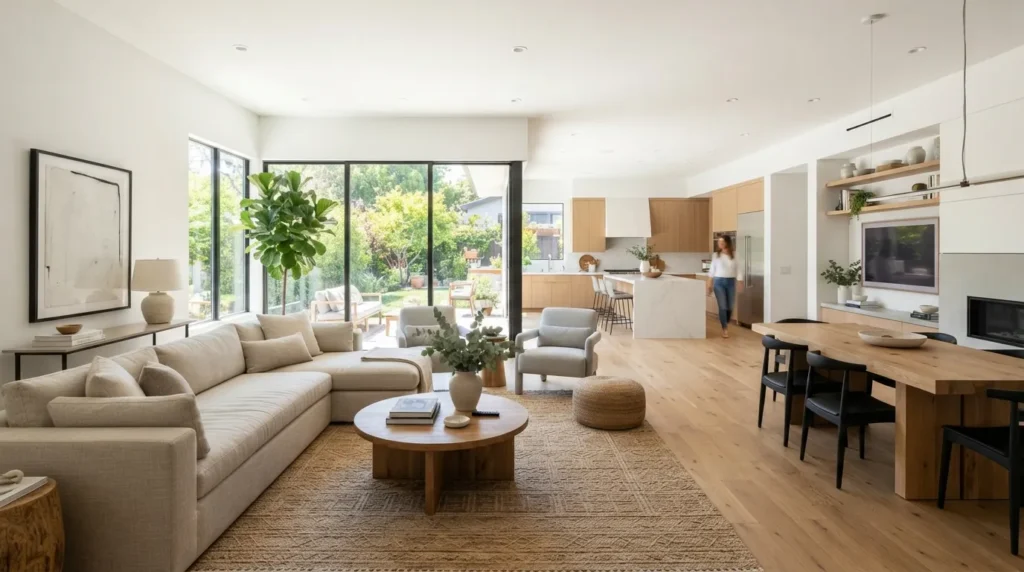
Comfortable walkways are essential in every room. Furniture positioned too closely together restricts movement and makes spaces feel cramped. Maintaining clear pathways allows people to move naturally while helping rooms feel significantly more open.
I’ve noticed that simply widening walkways often transforms a room more effectively than purchasing new furniture. Open circulation immediately creates a lighter, more welcoming atmosphere.
How To Style It
Leave approximately 30 to 36 inches of walking space in major traffic areas whenever possible. Avoid blocking doorways, windows, or frequently used pathways with oversized furniture.
Choose appropriately scaled furniture for the size of the room to maintain balance.
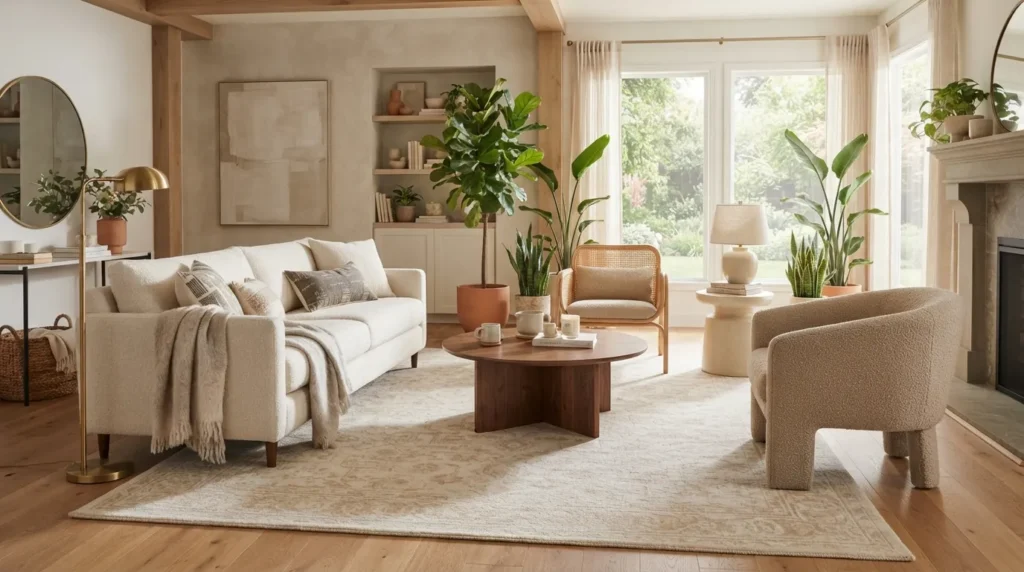
4. Balance Furniture Sizes
Quick Benefits
- Creates visual harmony
- Prevents overcrowding
- Makes rooms feel cohesive
- Improves proportions
- Enhances overall design
Why It Works
Rooms feel most comfortable when furniture sizes complement one another. Combining oversized furniture with extremely small accent pieces can make layouts feel awkward, while carefully balanced proportions create harmony throughout the space.
In my experience, choosing fewer appropriately sized pieces produces a more elegant result than filling every available corner with furniture.
How To Style It
Mix larger anchor pieces with medium and smaller furnishings while maintaining visual balance throughout the room. Use rugs, lighting, and artwork to help connect furniture into one cohesive arrangement.
Avoid overcrowding by leaving open floor space wherever possible.
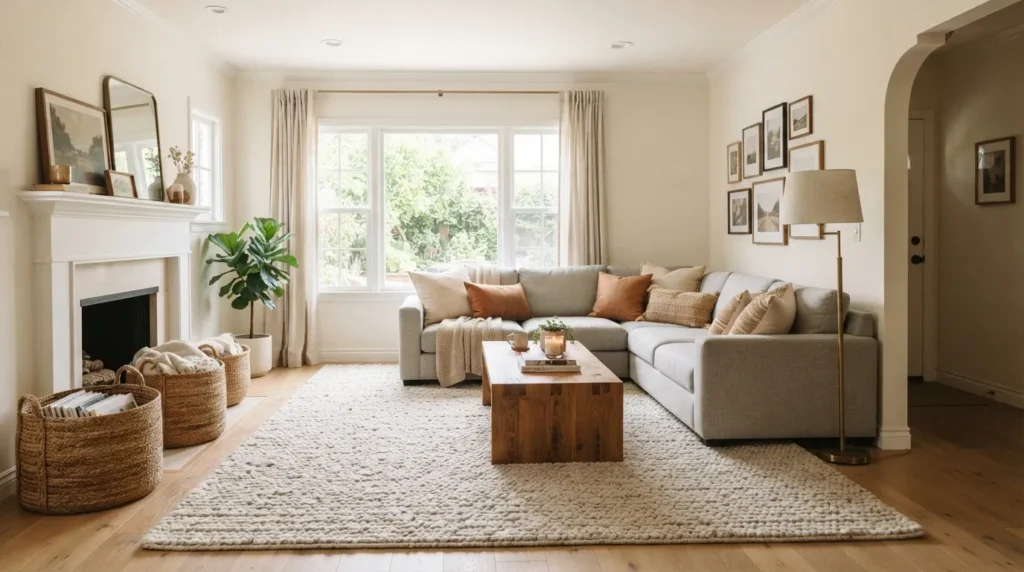
5. Anchor with Rugs
Quick Benefits
- Defines seating areas
- Adds warmth
- Creates visual unity
- Improves comfort
- Enhances style
Why It Works
Area rugs help organize furniture into clearly defined zones while adding softness and texture. A properly sized rug visually connects furniture pieces and prevents rooms from feeling scattered or unfinished.
I’ve seen many rooms transformed simply by replacing an undersized rug with one that properly anchors the seating arrangement. The entire layout instantly feels more intentional.
How To Style It
Choose a rug large enough for at least the front legs of sofas and chairs to rest comfortably on the surface. Layer the rug with coordinated furniture and decorative accents to create a cohesive living space.
Select neutral patterns that complement your overall decorating style while remaining timeless.
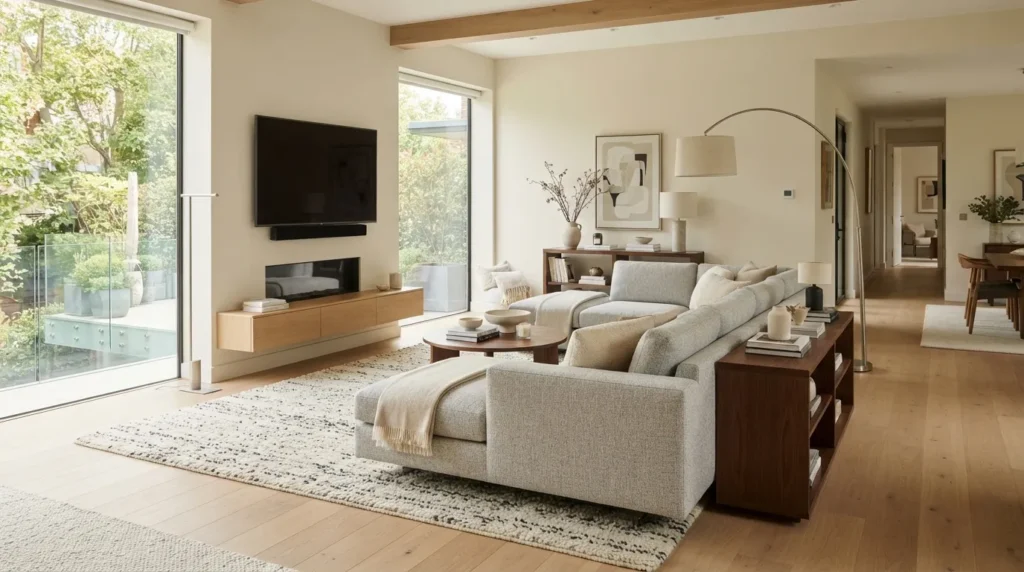
6. Float Furniture
Quick Benefits
- Creates designer-inspired layouts
- Improves conversation areas
- Makes rooms feel larger
- Adds visual balance
- Enhances traffic flow
Why It Works
Many people instinctively push every piece of furniture against the walls, believing it creates more space. In reality, floating furniture slightly away from the walls often makes a room feel larger and more thoughtfully designed. This approach creates defined seating areas while improving balance throughout the room.
I’ve noticed that even moving a sofa forward by a few inches can dramatically improve the overall layout. The extra breathing room gives the space a more open, welcoming appearance.
How To Style It
Position the sofa several inches away from the wall and anchor the seating area with a properly sized rug. Add a console table behind the sofa if additional storage or decorative space is needed.
Finish the arrangement with accent chairs, side tables, and floor lamps to create a comfortable conversation zone.
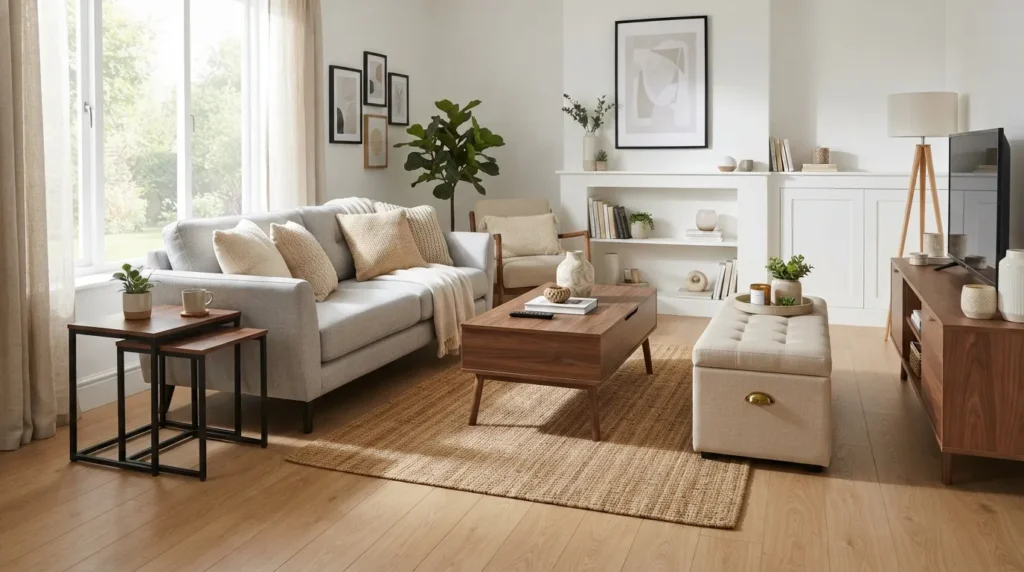
7. Use Multi-Purpose Pieces
Quick Benefits
- Saves valuable space
- Increases functionality
- Reduces clutter
- Ideal for small homes
- Maximizes storage
Why It Works
Furniture that serves multiple purposes allows rooms to remain organized without becoming overcrowded. Storage ottomans, nesting tables, lift-top coffee tables, and sleeper sofas all provide practical solutions while reducing the number of individual furniture pieces needed.
One thing that works especially well is investing in versatile furniture for smaller homes where every square foot matters. Multi-functional pieces create flexibility without sacrificing style.
How To Style It
Choose furniture with built-in storage or expandable features that complement your existing décor. Coordinate finishes and upholstery to maintain a cohesive appearance throughout the room.
Keep surrounding accessories minimal so the furniture remains the primary focus.
8. Maximize Corners
Quick Benefits
- Uses overlooked space
- Creates functional zones
- Adds storage opportunities
- Improves room balance
- Enhances comfort
Why It Works
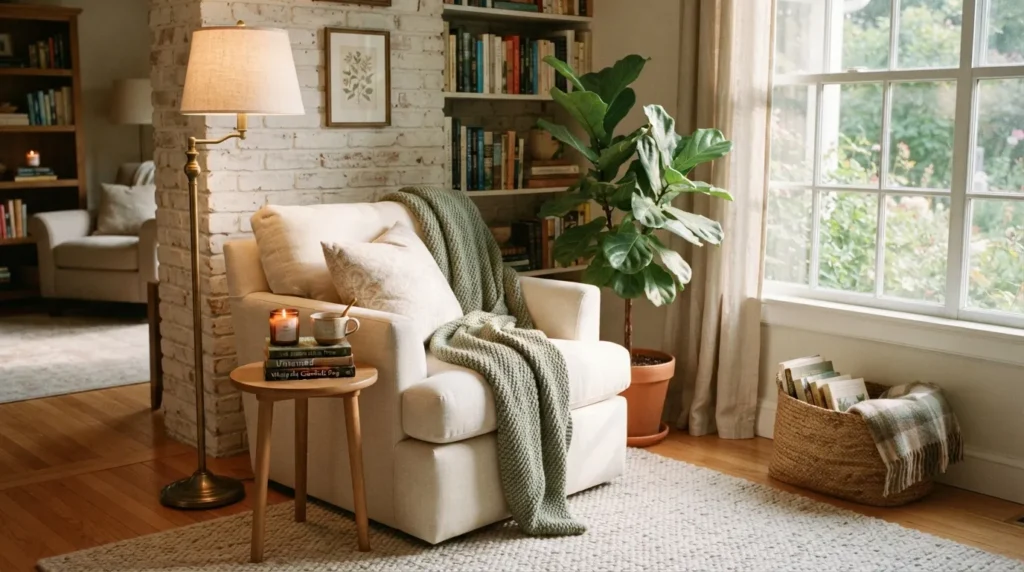
Corners are often underused, yet they offer excellent opportunities for additional seating, storage, or decorative displays. Transforming an empty corner into a reading nook, plant display, or small workspace increases functionality without affecting the room’s main traffic flow.
I’ve found that thoughtfully styled corners make rooms feel more complete because every area serves a purpose.
How To Style It
Place a comfortable accent chair, floor lamp, and small side table in an empty corner to create a cozy reading space. Alternatively, use a tall plant or decorative shelving to add visual height.
Keep accessories simple to maintain an open, uncluttered appearance.
9. Maintain Proper Spacing
Quick Benefits
- Improves comfort
- Makes movement easier
- Creates visual balance
- Prevents overcrowding
- Supports better functionality
Why It Works
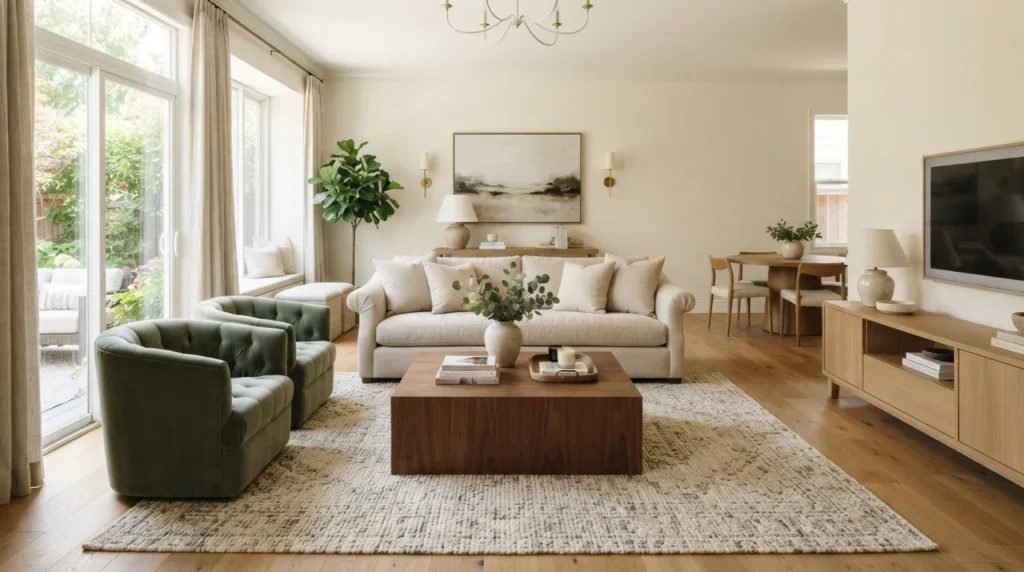
Correct spacing between furniture pieces ensures rooms remain comfortable and easy to navigate. Furniture placed too close together feels cramped, while excessive spacing can make conversations awkward and layouts disconnected.
In my experience, maintaining consistent spacing creates a polished, professionally designed appearance while improving everyday usability.
How To Style It
Allow approximately 16 to 18 inches between coffee tables and sofas for comfortable reach. Maintain balanced spacing between chairs, side tables, and walkways to encourage natural movement.
Regularly step back and view the room from different angles to ensure everything feels proportionate.
10. Finish with Accessories
Quick Benefits
- Completes the room
- Adds personality
- Introduces texture
- Softens furniture
- Creates a welcoming atmosphere
Why It Works
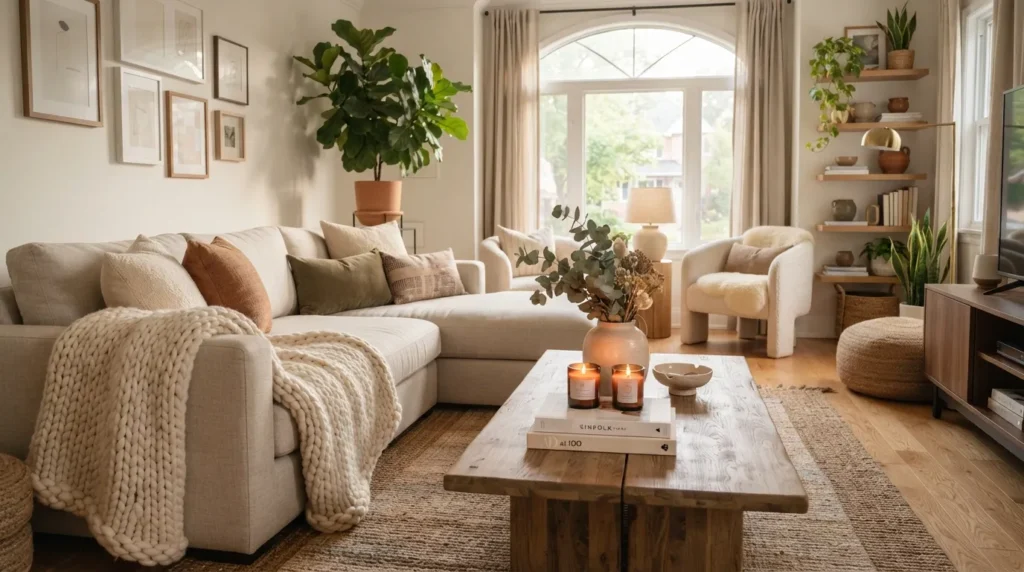
Once the furniture layout is complete, accessories help tie the entire design together. Rugs, pillows, artwork, lighting, greenery, and decorative objects soften hard furniture lines while making the room feel comfortable and lived in.
I’ve noticed that thoughtfully chosen accessories enhance a furniture arrangement without distracting from it. The key is selecting pieces that complement the layout rather than overcrowding it.
How To Style It
Layer throw pillows, blankets, indoor plants, candles, books, and decorative trays throughout the room. Keep accessories grouped in small curated arrangements rather than spreading them evenly across every surface.
Finish with artwork and lighting that reinforce the room’s overall style and color palette.
Frequently Asked Questions
What is the biggest mistake when arranging furniture?
One of the most common mistakes is pushing every piece against the walls. Creating defined conversation areas often results in a more comfortable and visually balanced layout.
How much space should be between furniture pieces?
Maintain approximately 16 to 18 inches between sofas and coffee tables, and allow 30 to 36 inches for primary walkways whenever possible.
Should furniture face the television?
Not always. Arrange seating around the room’s primary focal point while ensuring conversation remains comfortable. In many homes, furniture can accommodate both television viewing and social interaction.
How do I arrange furniture in a small room?
Choose appropriately scaled furniture, maintain open walkways, use multifunctional pieces, and avoid overcrowding. Floating furniture and vertical storage also help maximize limited space.
Does every room need an area rug?
Area rugs help define furniture groupings and create visual unity. Choosing the correct size makes the room feel more balanced and professionally designed.
How do I know if my furniture layout is balanced?
Step back and view the room from multiple angles. Furniture should feel evenly distributed without one side appearing significantly heavier than the other.
Conclusion
Learning how to arrange furniture is one of the most effective ways to improve the comfort and appearance of your home without purchasing anything new. Thoughtful layouts create better traffic flow, encourage conversation, and make every room feel more spacious and welcoming.
The most successful furniture arrangements balance functionality with visual harmony. By identifying a focal point, maintaining proper spacing, using appropriately sized furniture, and layering thoughtful accessories, you can create spaces that are both practical and beautifully designed.
Start by making one small adjustment at a time. Even simple changes like floating the sofa, repositioning chairs, or adding an area rug can completely transform the way a room looks and feels.
Related Articles
- 10 Small Living Room Layout Ideas
- 10 Living Room Decorating Ideas
- 10 Home Decor Ideas
- 10 Cozy Living Room Ideas
- 10 Modern Interior Design Ideas