
How to Clean Sticky Grease Off Textured Brass Cabinet Knobs
Cleaning sticky grease off textured brass cabinet knobs is a common kitchen maintenance challenge that requires a delicate touch to preserve the metal’s finish. Because textured surfaces trap oils and dust in their crevices, simple wiping often fails to reach the grime. You can effectively restore your hardware by using mild degreasers and soft tools…
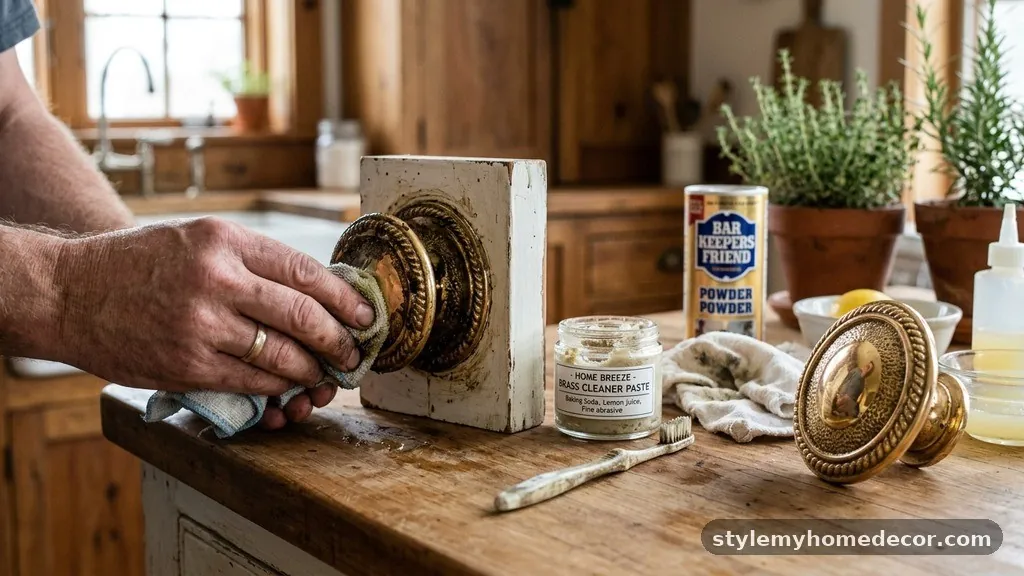
Cleaning sticky grease off textured brass cabinet knobs is a common kitchen maintenance challenge that requires a delicate touch to preserve the metal’s finish. Because textured surfaces trap oils and dust in their crevices, simple wiping often fails to reach the grime. You can effectively restore your hardware by using mild degreasers and soft tools that won’t scratch the decorative patterns.
This article explains the most reliable methods for removing buildup, ensuring your brass retains its luster without damaging the patina or the underlying material. By following these steps, you will keep your kitchen hardware looking pristine and functioning smoothly for years to come.
The Most Effective Cleaning Solution
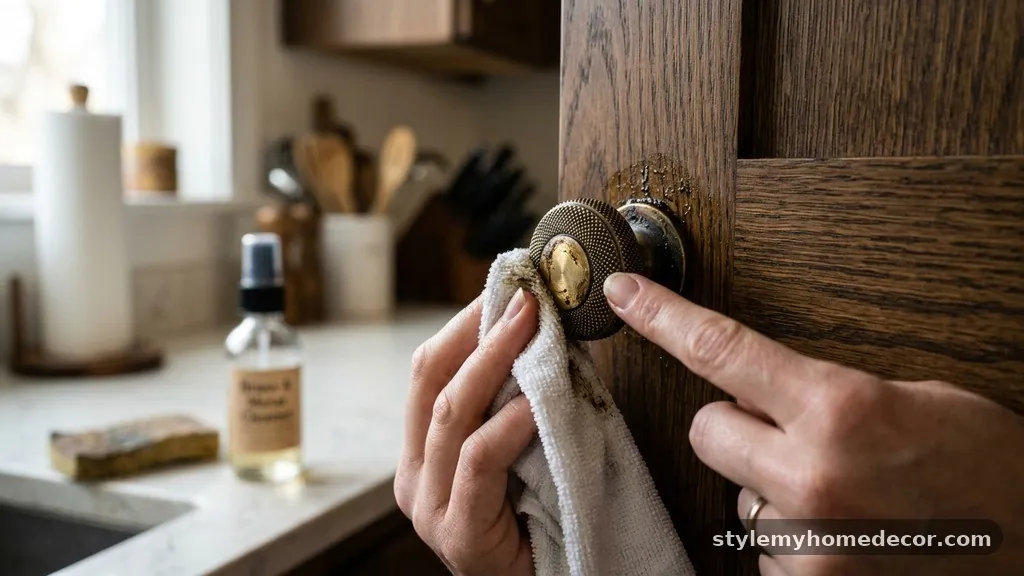
For most cases of sticky grease, a mixture of warm water and a high-quality grease-cutting dish soap is the safest starting point. Dish soap is specifically formulated to break down lipids, which makes it ideal for the stubborn film that accumulates on kitchen handles near stoves. You should mix a few drops of soap into a bowl of warm water until a light lather forms.
Avoid using boiling water, as extreme temperatures can sometimes interact poorly with certain brass lacquers or finishes. Instead, aim for a temperature that is warm to the touch.
Dip a soft microfiber cloth into the solution and wring it out so it is damp rather than dripping wet. Excess liquid can seep into the mounting holes of the cabinet door, potentially causing wood swelling or finish damage.
When applying the soapy water to textured brass, focus on the recessed areas where the grime is most concentrated. Gently press the cloth into the pattern to ensure the soap reaches the bottom of the grooves.
Let the solution sit for one to two minutes, which gives the surfactants time to emulsify the grease. After this short dwell time, use a clean cloth to wipe away the loosened residue.
Using Soft Brushes for Intricate Textures
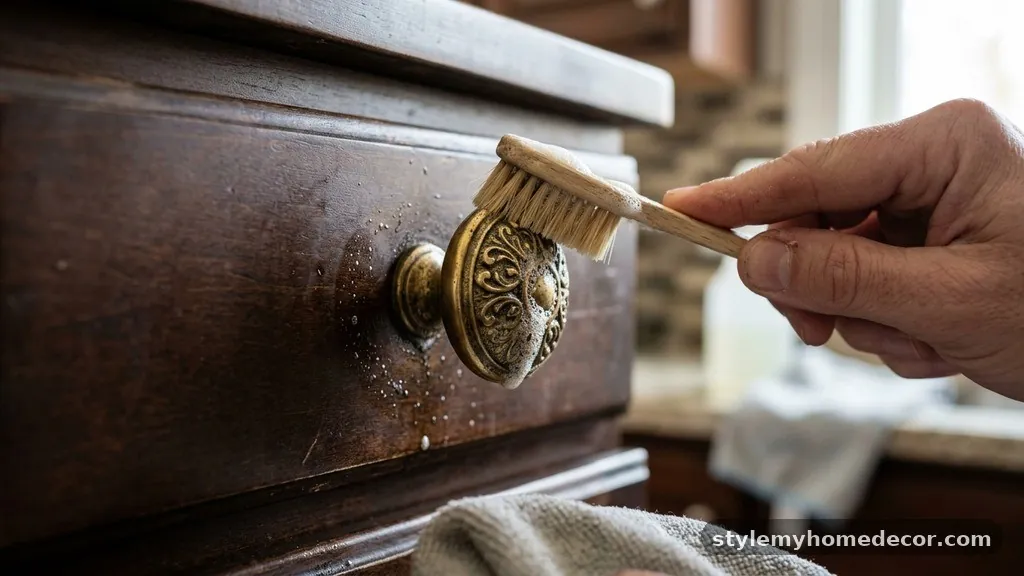
Textured brass often features intricate engravings, knurling, or embossed designs that a flat cloth cannot reach. If your knobs have complex patterns, a soft-bristled toothbrush is your best tool for agitation. The bristles can penetrate the deep grooves where grease and dust settle over time.
Dip the toothbrush into your warm soap water mixture before gently scrubbing the surface of the knob. Work in circular motions to dislodge the sticky buildup from all angles of the texture. Be careful not to scrub too vigorously, as excessive pressure can wear down the finish, especially on antique or plated brass.
After scrubbing, use a clean, damp cloth to rinse the hardware. Ensure you wipe away all traces of soap, as dried soap film can attract new dust and make the knobs feel tacky again.
Finally, take a dry, lint-free cloth and buff the brass to remove any remaining moisture. This step is crucial to prevent water spots, which are common on metallic surfaces if they are left to air dry.
Removing Heavy Buildup with Vinegar
If soap and water are not enough to remove the thick, hardened grease, a mild acid like white vinegar can help. Vinegar acts as a natural solvent that cuts through stubborn grime without the harshness of industrial chemicals. Create a solution by mixing one part white vinegar with two parts warm water.
Dip your cloth or a soft sponge into this mixture and apply it to the affected areas of the brass. Because vinegar is acidic, do not let it sit on the metal for more than a few minutes. Prolonged exposure to acid can dull the shine of certain brass finishes or strip away protective lacquers.
Once the grease begins to lift, wipe the area thoroughly with a cloth dampened with plain water. This neutralizes the acidity and ensures no residue remains. If you are uncertain about how your specific brass reacts to vinegar, always perform a small spot test on the back of the knob or a less visible piece of hardware first.
When to Avoid Abrasive Cleaners
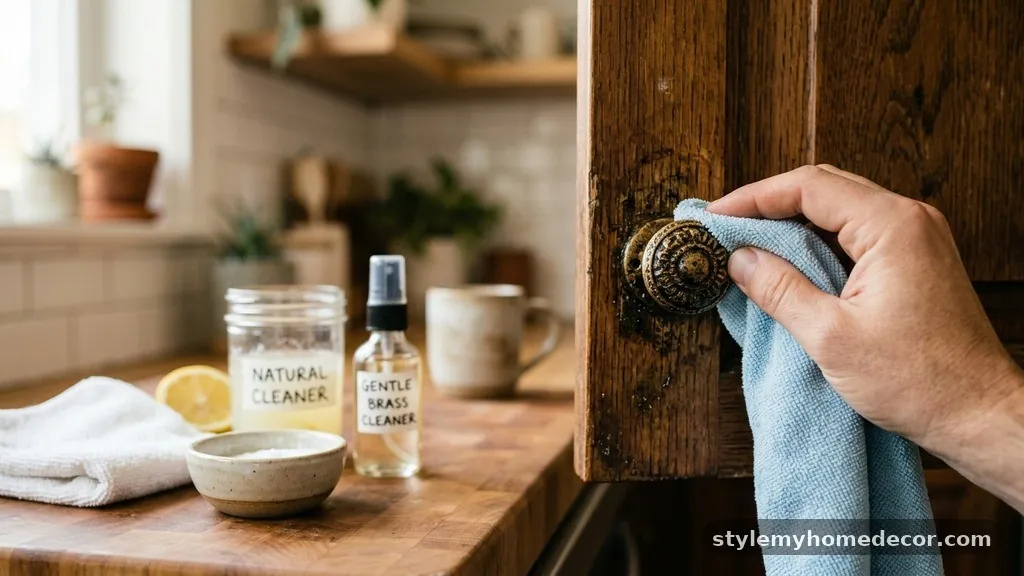
Many people make the mistake of reaching for heavy-duty scouring pads or abrasive powders when dealing with sticky grease. You should avoid steel wool, green scouring pads, or harsh cleaning pastes, as these will almost certainly scratch the brass. Textured surfaces are particularly vulnerable because the high points of the design will lose their finish long before the low points are cleaned.
Abrasives physically strip away layers of the metal or its protective coating. Once the protective layer is compromised, the brass becomes susceptible to oxidation and will tarnish much faster than before. If you feel the need to use a cleaner that offers more “bite,” look for non-abrasive liquid polishes designed specifically for brass.
These specialized products are engineered to remove oxidation while remaining gentle on the surface. Always check the manufacturer’s instructions on your cabinet hardware before applying any commercial polish. If you want to learn more about material safety and care, you can refer to the National Park Service guidelines on metal conservation for professional insights on handling historical and decorative metals.
The Benefits of Regular Maintenance
Establishing a routine for cleaning sticky grease off textured brass cabinet knobs prevents the buildup from becoming a major project. When grease is allowed to sit for months, it oxidizes and hardens, turning into a shellac-like substance that is significantly harder to remove. A quick wipe-down once a week with a damp cloth can eliminate the need for deep cleaning.
Keep a bottle of gentle, diluted soap solution under the sink for easy access. By making the process part of your weekly kitchen cleanup, you ensure that grease never has the chance to accumulate in the first place. This saves you significant time and effort in the long run.
Maintaining your hardware also protects the integrity of the finish. Brass is a beautiful, classic material that develops character over time, but heavy layers of grime obscure that beauty.
Regular care keeps the brass looking intentional rather than neglected. It also improves the tactile experience of using your kitchen, as clean handles are more pleasant to touch than sticky ones.
Dealing with Tarnished Brass
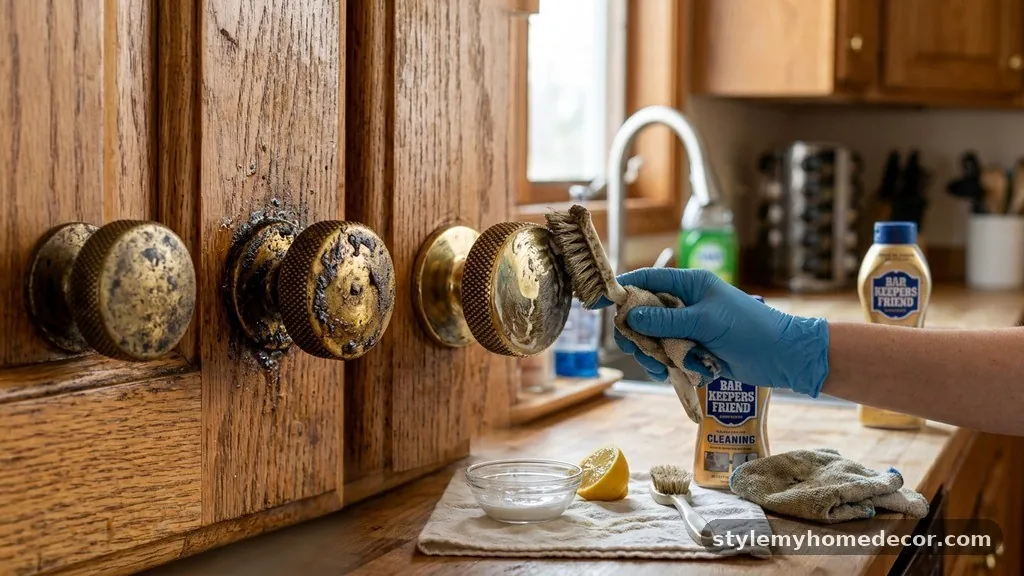
Sometimes the issue is not just grease, but also tarnish that has developed underneath the layer of oil. Tarnish is a chemical reaction that occurs when brass is exposed to oxygen and moisture. If your knobs look dark, dull, or greenish even after you have removed the surface grease, they may need a dedicated tarnish removal treatment.
There are many commercial brass cleaners on the market that work well, but you can also use household ingredients. A paste made of lemon juice and baking soda is a popular natural alternative for polishing brass. Apply the paste, let it sit for a minute, and then buff it off with a soft cloth.
Always remember that removing tarnish is different from removing grease. Once you have cleaned the tarnish, you may want to apply a thin layer of furniture wax to the brass. This creates a temporary barrier against oxygen and moisture, which slows the return of tarnish and makes future grease removal easier.
Comparing Cleaning Methods
Different levels of buildup require different approaches. Choosing the right tool for the job ensures you don’t overwork the metal.
| Level of Buildup | Recommended Method | Tool to Use |
|---|---|---|
| Light/Recent Grease | Warm water + mild soap | Microfiber cloth |
| Moderate/Sticky Grime | Soap + warm water | Soft-bristled brush |
| Heavy/Hardened Grease | Diluted white vinegar | Soft toothbrush |
| Tarnish/Dullness | Specialized brass polish | Polishing cloth |
Protecting Your Hardware During Cleaning
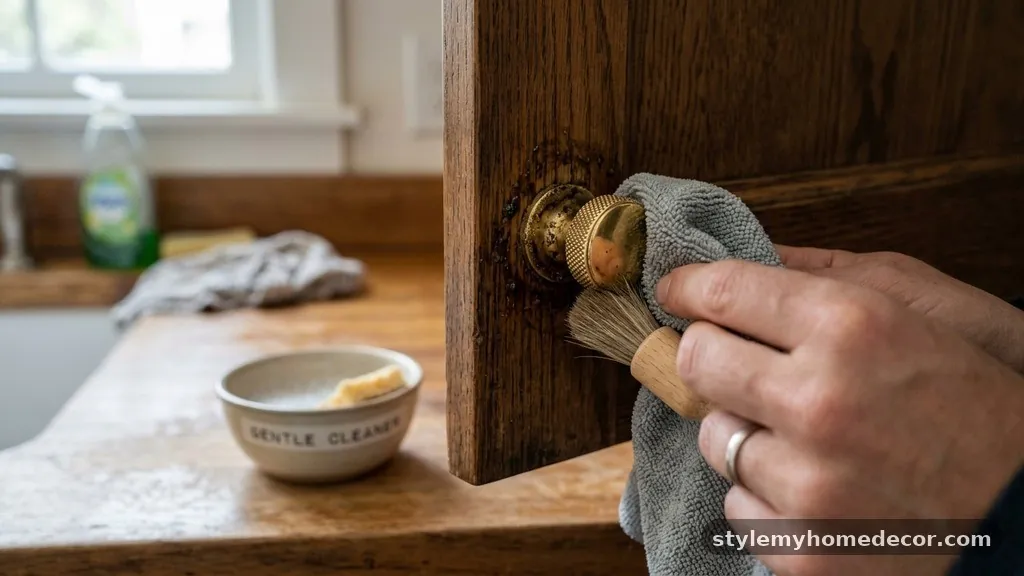
If you find that the knobs are extremely difficult to clean while attached to the cabinet doors, consider removing them entirely. This allows you to soak the hardware in a bowl of warm, soapy water, which is often the most effective way to reach every crevice of a textured design. Removing the knobs also prevents any cleaning agents from dripping onto your cabinet faces, which could leave streaks or spots.
Before you unscrew the knobs, take a photo of their positions to ensure they go back in the correct order. Place a towel in the bottom of your sink while you work, especially if you are using a ceramic or porcelain basin. This protects both the sink and the brass hardware from accidental damage if a piece slips out of your hand.
Once the knobs are removed and cleaned, ensure they are completely dry before reattaching them. Any trapped moisture in the mounting hole can lead to rust on the screws or deterioration of the wood. This extra step ensures that your cleaning process is thorough and does not lead to secondary maintenance issues.
Common Mistakes to Avoid
Many people accidentally damage their brass hardware by using common kitchen cleaners that are too harsh. Never use bleach, ammonia, or oven cleaners on brass, as these chemicals can cause permanent discoloration or pitting. These substances are designed for heavy-duty surfaces like stainless steel or enamel and are far too aggressive for decorative brass.
Another common mistake is using paper towels for the final buffing process. Paper towels contain tiny wood fibers that can cause microscopic scratches on polished brass. Always use a clean cotton rag or a high-quality microfiber cloth for polishing.
Finally, avoid the urge to spray cleaning products directly onto the knobs while they are on the cabinets. The spray can run down the cabinet door and cause streaks on the wood finish.
Always spray your cleaner onto your cloth first and then transfer it to the hardware. This gives you total control over how much moisture is applied to the surface.
Frequently Asked Questions
Can I use WD-40 to clean grease off brass knobs?
While WD-40 is an excellent solvent for breaking down sticky adhesives and grease, it is not a cleaner in the traditional sense. It leaves behind an oily residue that will attract dust and dirt immediately after application. If you choose to use it, you must thoroughly clean the hardware with soap and water afterward to remove the oily film.
Is it safe to put brass knobs in the dishwasher?
You should never put brass cabinet hardware in the dishwasher. The intense heat, combined with the harsh chemicals in dishwasher detergents, will strip the finish and cause the metal to tarnish or corrode almost instantly. Hand washing is the only safe method for cleaning brass hardware.
How do I know if my brass is solid or plated?
You can test this easily with a small magnet. Solid brass is non-magnetic, so a magnet will not stick to it. If the magnet sticks to the knob, it is likely steel or another metal that has been brass-plated. Plated items require even more care, as the thin layer of brass can wear off if you scrub too hard.
How often should I clean my kitchen hardware?
A quick wipe-down every week as part of your normal kitchen cleaning routine is ideal. This prevents the buildup of kitchen grease and cooking oils, which are the primary causes of sticky handles. Deep cleaning, involving removal and soaking, should only be necessary once or twice a year.
What is the best way to get rid of water spots?
Water spots are usually just mineral deposits left behind when water evaporates. You can remove them by wiping the brass with a mixture of equal parts water and white vinegar, then immediately drying it with a soft, clean cloth. The key is to never let the water air dry on the surface of the metal.
Conclusion
Taking the time to handle your cabinet hardware with care preserves the value and aesthetic appeal of your kitchen. By selecting the right cleaning solutions and using gentle techniques, you can successfully manage the challenge of cleaning sticky grease off textured brass cabinet knobs without compromising their surface. Remember that consistency is your best ally; regular, light maintenance is far superior to infrequent, aggressive scrubbing.
Whether you are dealing with light daily buildup or months of accumulated grime, these methods provide a safe and effective path to restoring the shine of your brass. For any further maintenance or to address specific finish issues, keep these gentle practices in mind to ensure your hardware remains a highlight of your home.