
Does Matte Black Hardware Chip Over Time? (Powder Coated vs Painted)?
Homeowners and designers often ask, “Does matte black hardware chip over time? (Powder Coated vs Painted)” when selecting fixtures for a renovation. The answer is nuanced: while high-quality powder coating is exceptionally resilient, standard painted finishes are prone to scratching and fading. Choosing the right finish depends on your budget, the item’s location, and how…
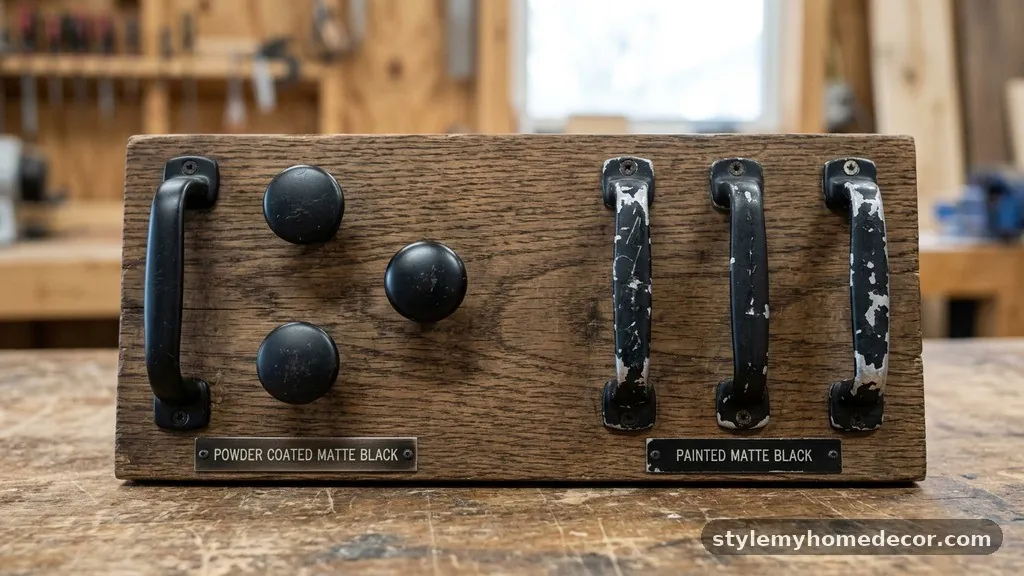
Homeowners and designers often ask, “Does matte black hardware chip over time? (Powder Coated vs Painted)” when selecting fixtures for a renovation. The answer is nuanced: while high-quality powder coating is exceptionally resilient, standard painted finishes are prone to scratching and fading. Choosing the right finish depends on your budget, the item’s location, and how frequently you handle the hardware.
Understanding the differences between these two common methods helps you avoid premature wear and costly replacements. This article provides the technical insight you need to make an informed decision for your home, ensuring your matte black aesthetic remains pristine for years to come.
The Reality of Matte Black Hardware Durability
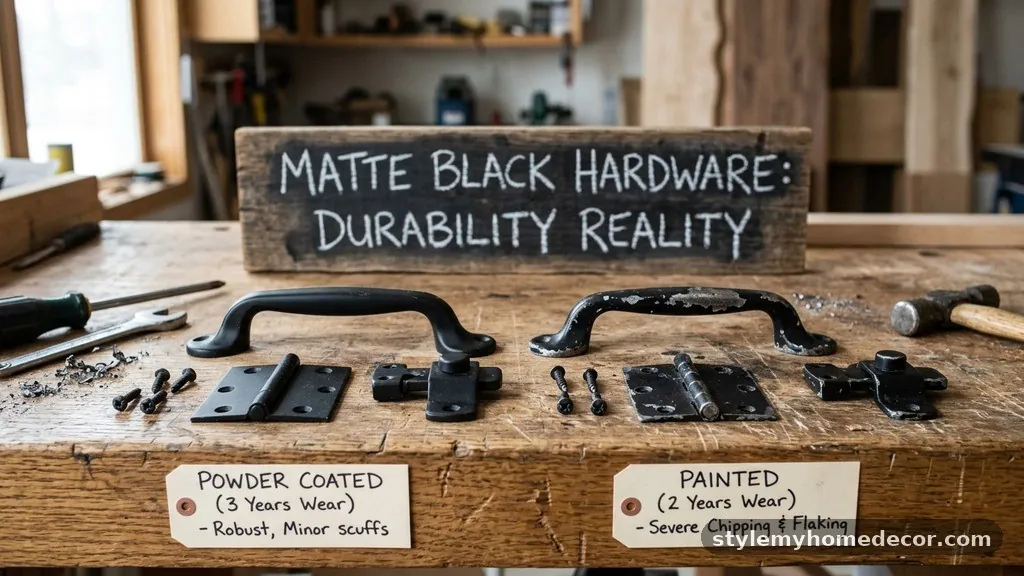
Many consumers worry about the longevity of their hardware investments. The short answer to whether matte black hardware chips over time is that it depends entirely on the manufacturing process.
Powder coating, which involves an electrostatic application of dry powder cured under heat, creates a thick, protective shell. This process is significantly more durable than traditional spray painting, which relies on a liquid solvent that evaporates.
If you purchase low-cost hardware from big-box stores, you are likely dealing with a thin layer of liquid paint. These items often scratch easily when exposed to keys, rings, or frequent cleaning agents.
Conversely, high-end architectural hardware uses a professional powder coat finish that resists impact and oxidation. You should expect a premium product to withstand daily use in a high-traffic bathroom or kitchen for decades.
How Powder Coating Functions
Powder coating is a dry finishing process that has become the gold standard for industrial and residential metal parts. The process begins by cleaning the metal surface to ensure total adhesion.
Once clean, an electrostatic gun sprays a finely ground powder onto the metal parts. This powder is electrically charged, which causes it to cling to the grounded metal surface uniformly.
After the coating is applied, the hardware is moved into a curing oven. The heat causes the powder to melt, flow, and chemically cross-link into a solid, durable film.
This layer is much thicker than a standard coat of liquid paint. Because it is fused to the metal at a molecular level, it does not simply sit on top like a layer of enamel.
Why Painted Hardware Often Fails
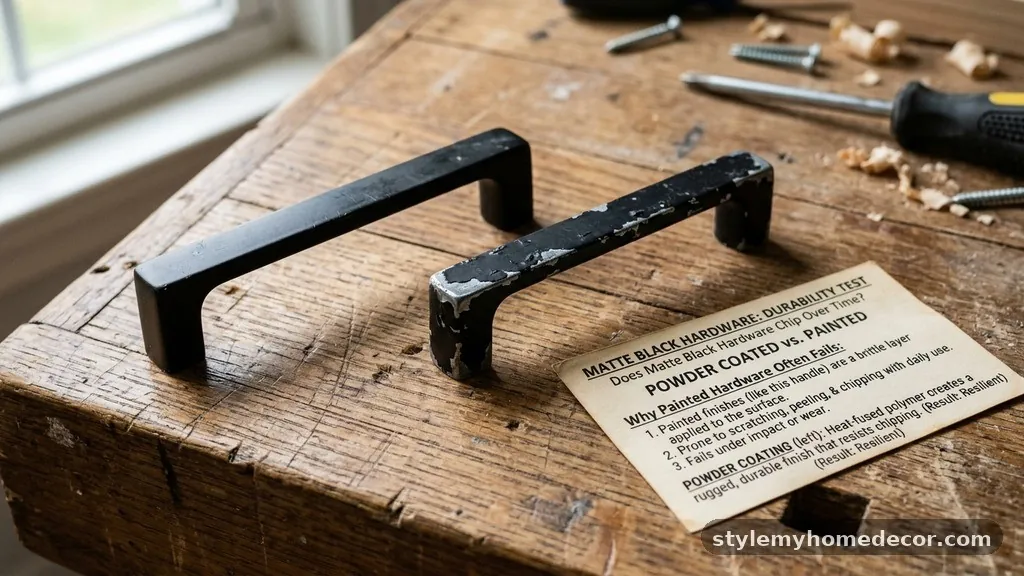
Liquid painting, while inexpensive, is generally inferior for door hardware, hinges, and cabinet pulls. Paint relies on a binder that can become brittle over time, especially when exposed to fluctuating temperatures or humidity.
When you apply paint to a metal surface, it creates a surface bond that is susceptible to shearing. If the metal expands or contracts, the paint may crack or peel away from the substrate.
Most mass-produced black hardware uses a “dipped” or spray-painted finish to keep production costs low. These items often lack a protective clear coat, leaving the pigment exposed to friction.
Every time you touch a handle, the oils from your skin and the mechanical friction of your grip contribute to the degradation of the finish. Over a few years, this leads to the dreaded “shiny spots” where the matte texture has worn away.
Comparing Finish Performance
To understand the difference in durability, look at how these finishes handle environmental stressors. Powder coating is designed for heavy-duty use, often used on outdoor furniture and automotive parts.
Paint is typically intended for decorative items that do not face physical contact. The following table provides a breakdown of how these finishes compare across key performance indicators.
| Feature | Powder Coating | Standard Paint |
|---|---|---|
| Adhesion Strength | High (Chemical Bond) | Low (Surface Adhesion) |
| Scratch Resistance | Excellent | Poor |
| UV Stability | High | Moderate to Low |
| Cost | Higher | Lower |
Environmental Factors and Wear
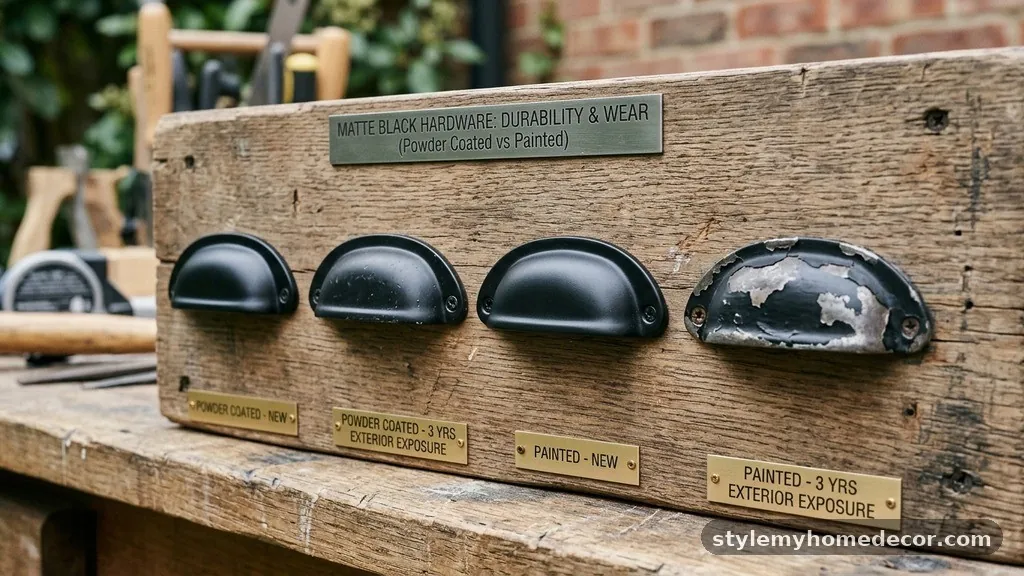
The location of your hardware dictates how quickly it will show signs of wear. A bathroom environment introduces humidity and chemical cleaners, both of which are enemies of inferior paint.
If you use harsh, abrasive scrubs to clean your faucets, you will strip the finish regardless of the application method. Powder coating is more resistant to these chemicals, but even it has limits.
Outdoor use represents the most extreme test for any finish. UV radiation from the sun can break down the chemical bonds in paint, causing it to chalk or fade.
Powder coating formulations often include UV inhibitors that keep the color deep and consistent. If you are choosing hardware for an exterior door or a patio gate, you should prioritize powder-coated iron or stainless steel.
Identifying Quality During Selection
When you are shopping for matte black items, the weight and feel of the part are usually good indicators of quality. A heavy, solid brass or stainless steel core usually signals that the manufacturer invested in a high-quality finish.
If the hardware feels lightweight or hollow, it is likely a cheaper alloy, and the finish is probably a simple paint. You can learn more about metal standards through the National Institute of Standards and Technology for guidance on material properties.
Check the product description for the term “electrostatic powder coat.” If a product listing merely says “matte black finish” without specifying the process, assume it is painted.
You can also perform a simple test if you have the item in hand. Use a fingernail to press firmly against an inconspicuous area; if you see a mark or a slight indentation, the finish is likely soft paint.
Maintaining Your Hardware Properly
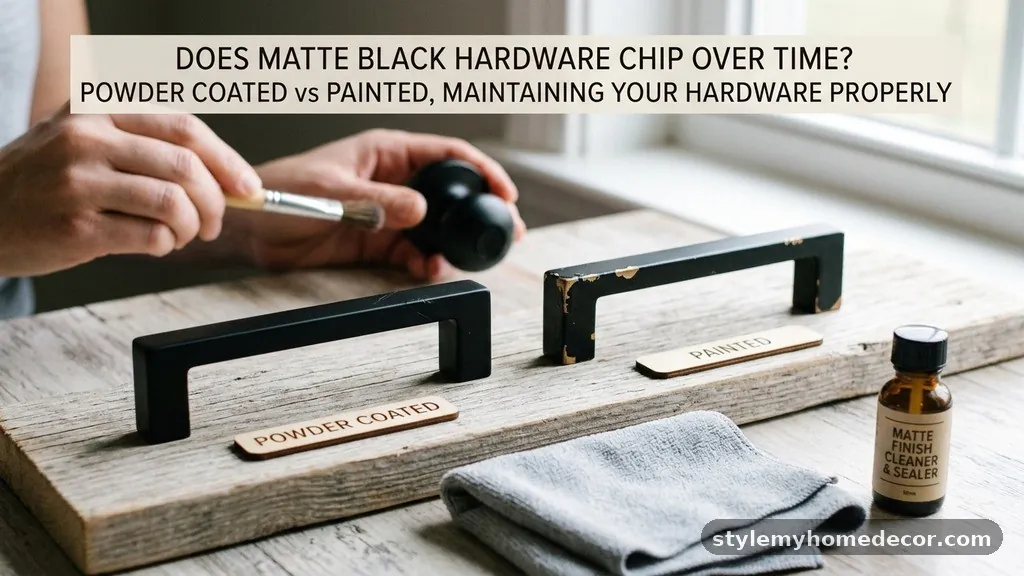
Even the most robust powder-coated finish requires care to look its best. You should avoid ammonia-based cleaners, as they can cause the matte texture to cloud or streak.
Instead, use a soft microfiber cloth dampened with warm water and a tiny amount of mild dish soap. This removes the oils from your hands without damaging the protective layer.
If you have already installed painted hardware, you can extend its life by applying a thin coat of clear car wax. The wax creates a sacrificial barrier that takes the brunt of the daily friction.
Be sure to buff the wax off completely so it does not attract dust or create a sticky residue. This simple step can add years to a finish that would otherwise wear down in months.
Repairing Minor Chips and Scratches
If your hardware does chip, you are not necessarily forced to replace the entire piece. For minor nicks, you can use a touch-up pen designed specifically for matte black metal.
These pens contain a high-pigment formula that fills the void and masks the underlying metal. The key is to apply the paint in thin, light strokes rather than trying to glob it on at once.
For larger areas of damage, you might consider professional refinishing. Some local shops specialize in powder coating small parts, though the setup cost might be higher than simply buying a new hinge or pull. If you are a DIY enthusiast, you can strip the old paint and apply a high-quality spray-on appliance epoxy, which is significantly tougher than standard spray paint.
Common Myths About Matte Finishes
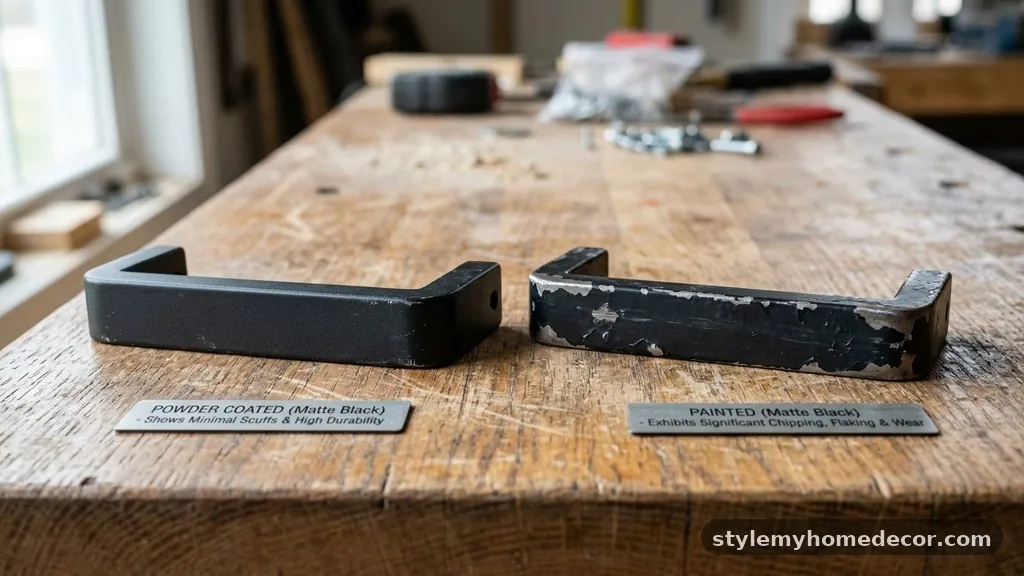
One common myth is that matte finishes show fingerprints more than chrome or polished nickel. In reality, matte black often hides smudges better than high-gloss surfaces, provided the finish is high-quality. A low-quality paint, however, can become “sticky” once the finish begins to degrade, which attracts more dirt and oils.
Another misconception is that all black hardware will turn gray or silver over time. This only happens if the base metal is exposed and allowed to oxidize, or if the paint fades due to extreme sun exposure.
A well-applied powder coat should remain deep black for the life of the product. If your hardware is turning gray, it is almost certainly a sign of a cheap, thin liquid paint application.
Frequently Asked Questions
Is powder coating worth the extra cost?
Yes, it is almost always worth the investment for high-traffic areas. The cost difference is easily offset by not having to replace your hardware after two or three years of use.
Can I paint over existing hardware to change the color?
You can, but the results are rarely durable. Unless you strip the original finish and use a professional-grade spray-on epoxy, the new paint will likely chip within weeks of installation.
Does matte black go out of style?
Matte black is considered a modern classic in interior design. It provides a sharp contrast against light-colored cabinets and walls, ensuring its relevance in design trends for the foreseeable future.
Why does my new hardware already have small chips?
This is often due to poor handling during shipping or installation. If you notice chips right out of the box, return the items immediately, as the finish was likely not cured correctly at the factory.
Are there specific brands known for durable black finishes?
Brands that focus on solid brass or stainless steel cores generally offer the best finishes. Look for companies that explicitly state their hardware is powder-coated rather than just “finished.”
Refining Your Home Aesthetic
Choosing the right finish for your hardware is a balance between aesthetic goals and practical realities. While the question of “Does Matte Black Hardware Chip Over Time? (Powder Coated vs Painted)” often leads to concerns about maintenance, the reality is that quality materials solve most of these issues. By prioritizing powder-coated finishes on your most frequently touched items, you ensure your design remains functional and beautiful.
Always inspect the specifications of your hardware before finalizing a purchase. Investing in solid materials and professional-grade coatings will save you the frustration of peeling, chipping, or fading in the long run.
If you are currently selecting hardware for a renovation, focus on the weight of the metal and the manufacturer’s description of their finishing process. With these factors in mind, you can enjoy your modern black fixtures for many years.