10 narrow hallway remodel ideas
A hallway is often the space people rush through, but it has a bigger design role than most homeowners realize. It connects rooms, sets the mood between spaces, and often becomes the first area guests see when they step inside. In many USA homes, especially apartments, townhomes, ranch-style houses, and older suburban layouts, hallways can…
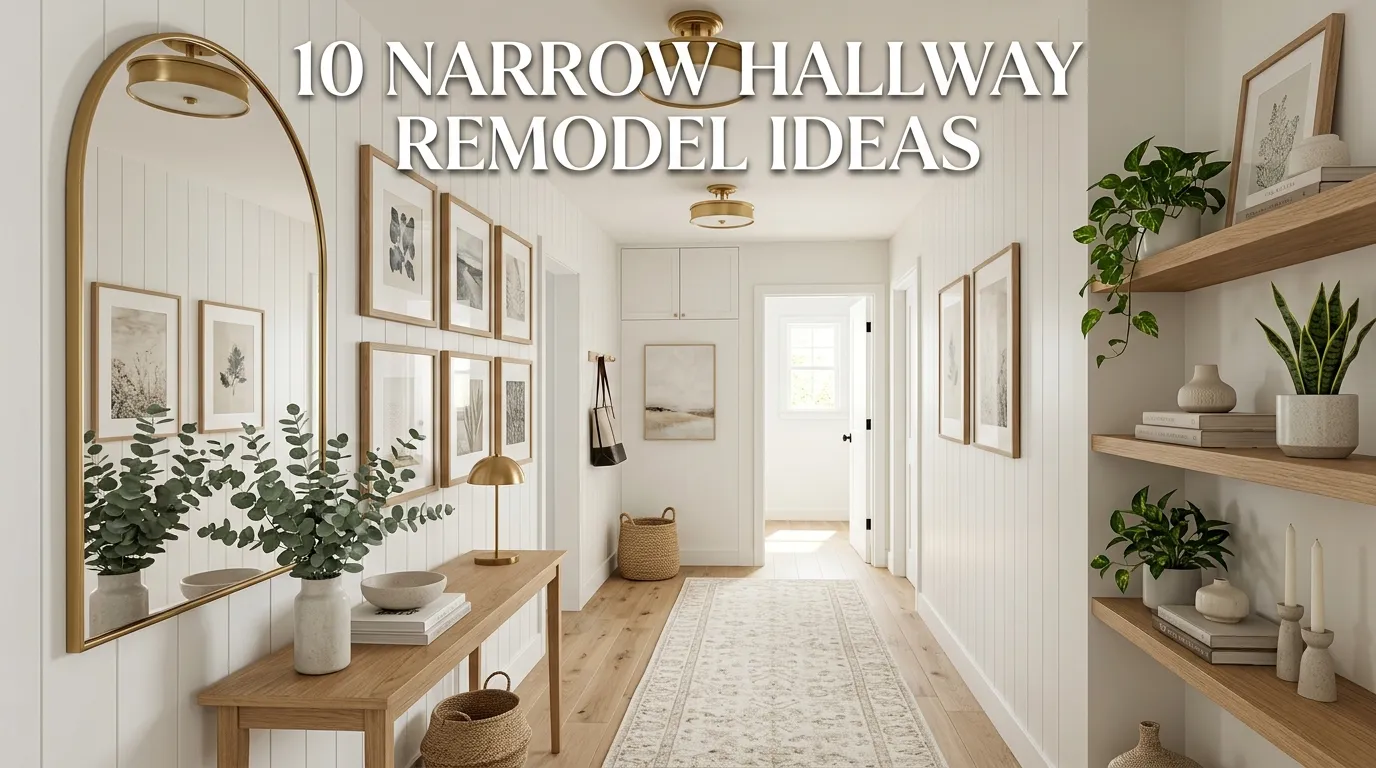
A hallway is often the space people rush through, but it has a bigger design role than most homeowners realize. It connects rooms, sets the mood between spaces, and often becomes the first area guests see when they step inside. In many USA homes, especially apartments, townhomes, ranch-style houses, and older suburban layouts, hallways can feel dark, tight, plain, or cluttered. A smart remodel can change that completely without requiring a major renovation.
The best hallway updates focus on three things: light, flow, and function. You want the space to feel brighter, easier to walk through, and more useful for everyday life. That might mean replacing harsh lighting, adding a slim runner rug, installing hooks, using shallow storage, or creating a mirror wall that reflects more light. Even small changes can make the entire home feel cleaner and more intentional.
These ideas are made for real homes and practical budgets. They are Pinterest-friendly, but also realistic for busy households with kids, pets, guests, backpacks, shoes, mail, and everyday traffic. Each remodel idea includes design logic, material suggestions, styling direction, and real-life guidance so the finished space feels beautiful, functional, and easy to maintain.
1. Light Wall Colors
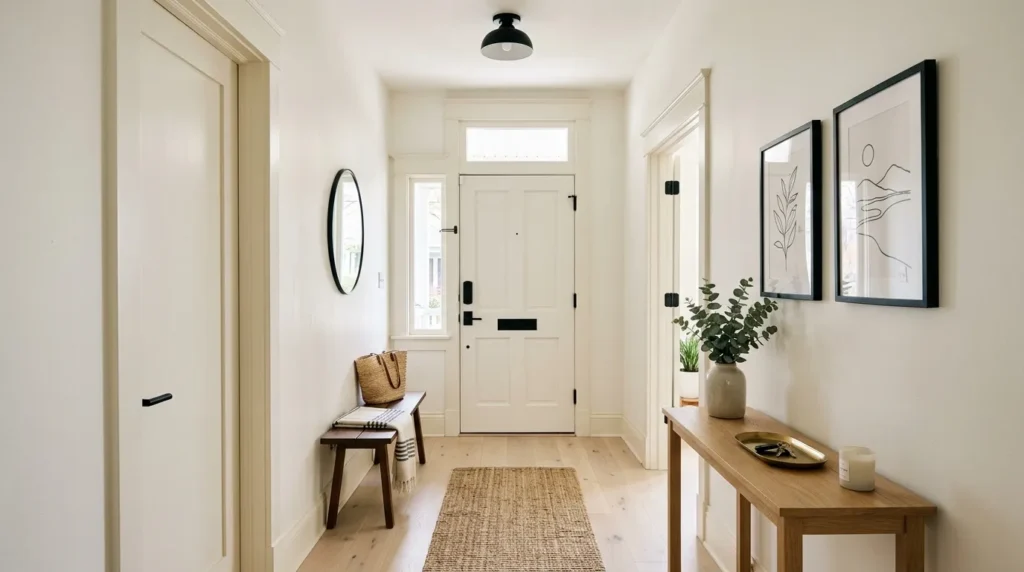
- Use warm white, greige, ivory, pale beige, or soft mushroom tones to brighten the space.
- Paint trim and doors in a similar shade for a seamless, wider visual flow.
- Choose eggshell or satin paint because hallway walls collect scuffs quickly.
- Add contrast through hardware, rugs, lighting, or framed artwork instead of dark walls.
A tight passage can feel brighter in a single weekend when the walls stop absorbing every bit of light. Warm white, creamy greige, pale taupe, and soft mushroom tones are ideal because they reflect brightness without feeling sterile. In my experience, the most successful hallway remodels use color to reduce visual interruptions. Paint the walls, doors, and trim in closely related shades so the eye travels smoothly from one end to the other. This simple move creates a cleaner backdrop for art, lighting, rugs, and storage throughout the home in a subtle, welcoming way.
Choose a durable eggshell or satin finish because this area gets touched constantly by hands, bags, coats, and shoes. Before painting, patch dents, sand rough spots, and wipe baseboards so the final result looks polished rather than rushed. If the space has no windows, test samples under your actual bulbs before committing. A warm undertone usually feels more inviting than a cool white. Add contrast through black hardware, brass hooks, framed art, or a patterned runner so the hallway still has personality without feeling visually crowded or heavy, especially during quick daily traffic.
2. Slim Runner Rug
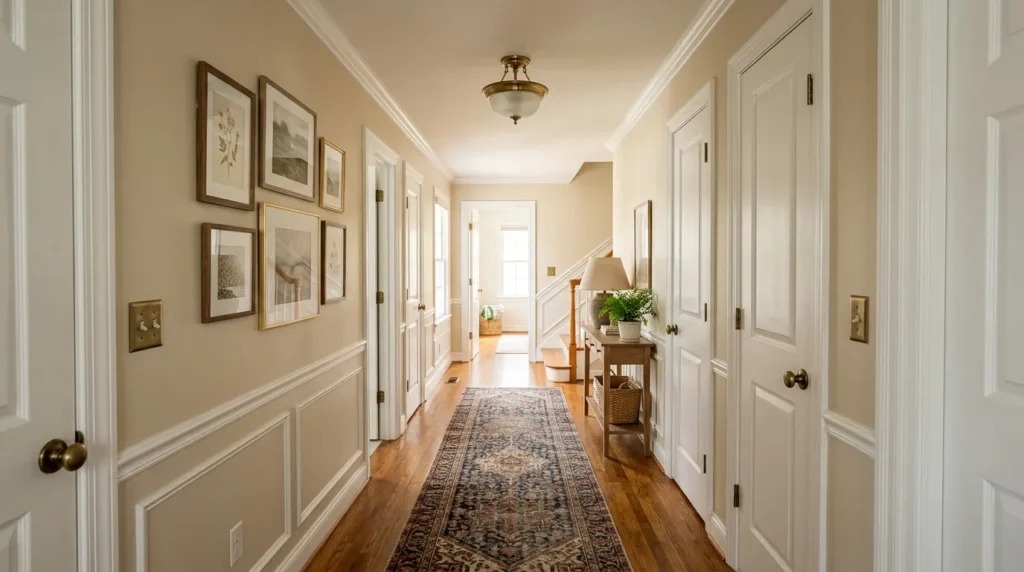
- Pick a low-pile runner that leaves visible floor on both sides.
- Use vintage, striped, geometric, or washable patterns for style and practicality.
- Add a non-slip rug pad to prevent movement on hardwood, tile, or vinyl plank.
- Choose colors that connect with nearby rooms for a more cohesive home flow.
A slim runner rug instantly gives a long walkway rhythm, warmth, and a finished designer feeling. Bare flooring can make a tight corridor look plain, especially when the walls are simple and the lighting is minimal. A runner introduces color, pattern, and softness while guiding the eye forward. Vintage-inspired designs, muted stripes, washable patterns, and low-pile textures work beautifully for busy American homes. I’ve noticed that even budget-friendly runners look elevated when the scale is right and the colors connect with nearby rooms, furniture finishes, and the surrounding room details.
Measure the length and width before shopping, then leave several inches of visible floor along both sides. That border keeps the walkway from feeling squeezed and prevents the rug from looking like wall-to-wall carpet. Use a quality rug pad to stop slipping, protect flooring, and add a little comfort underfoot. For pets, kids, or muddy seasons, choose washable materials or indoor-outdoor fibers. A runner also helps reduce echo, which can make a corridor feel warmer, quieter, and more connected to the rest of the home overall without making the floor look busy.
3. Mirror Focal Wall
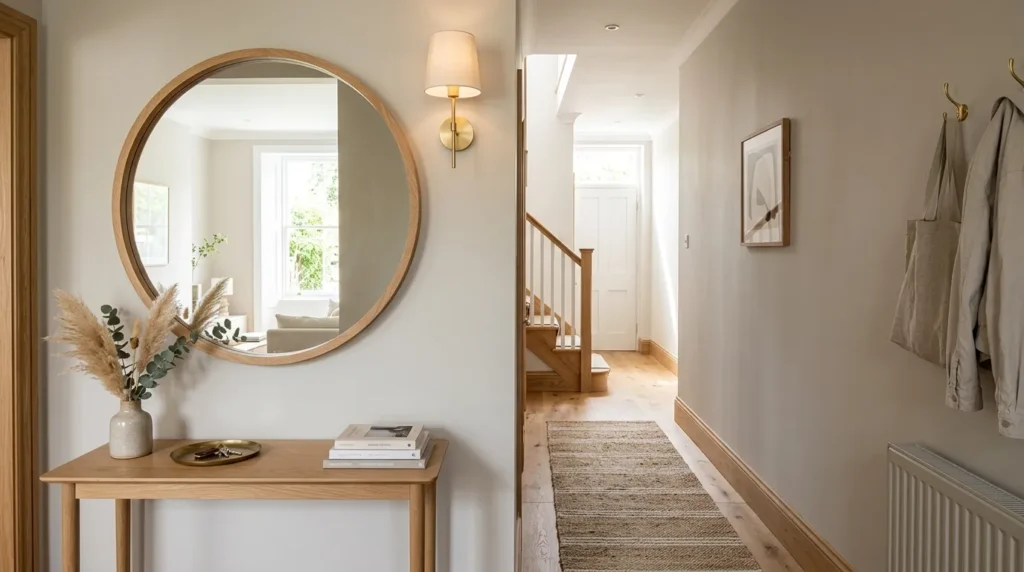
- Use one large mirror or a clean mirror grouping to reflect light and create depth.
- Place mirrors across from windows, sconces, or attractive doorways for the best effect.
- Match the frame finish with nearby hardware for a designer-style look.
- Avoid reflecting cluttered rooms, open closets, or busy storage areas.
A mirror focal wall is one of the smartest ways to make a compact walkway feel open without changing the structure. Mirrors reflect light, repeat views, and create the feeling of extra depth when placed carefully. A large round mirror, tall arched mirror, or set of smaller matching mirrors can break up a blank wall beautifully. That’s why many designers recommend reflective pieces in tight transitions where bulky decor would not work. The mirror becomes both a practical checkpoint and a visual expansion tool for everyday use when guests enter or leave.
Placement decides whether the mirror looks intentional or simply convenient. Hang it across from a window, doorway, sconce, or attractive piece of art so it reflects something worth seeing. Avoid positioning it where it doubles clutter, open closets, or laundry baskets. For a polished look, match the frame finish to nearby hardware, such as matte black, warm brass, oak, or antique bronze. Keep surrounding decor minimal so the reflective surface can breathe. The finished wall feels brighter, useful, and styled without stealing walking space from the passage in a practical, graceful way.
4. Wall Sconce Lighting
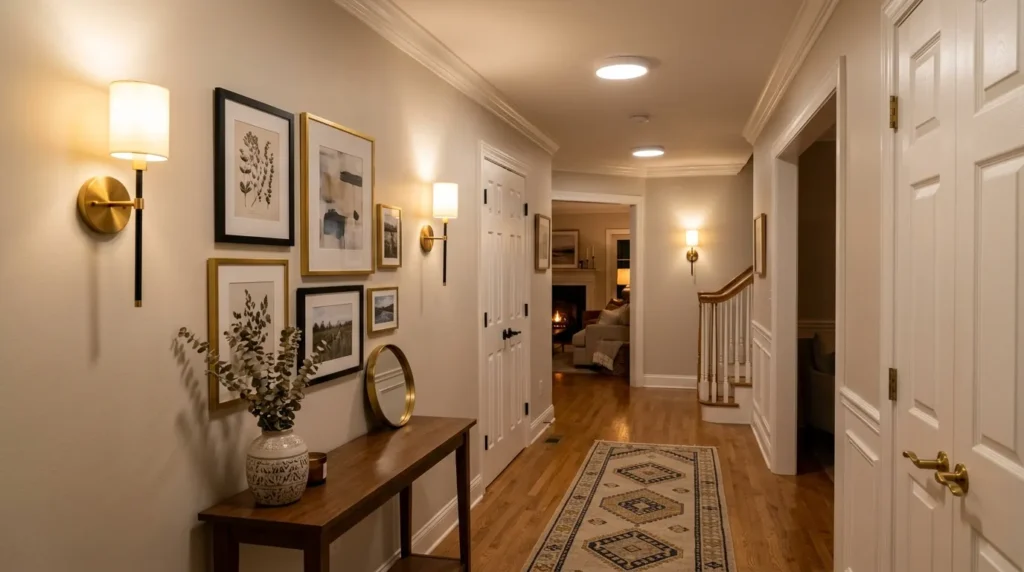
- Replace harsh ceiling light with warm layered lighting for a softer look.
- Use plug-in, hardwired, battery-operated, or rechargeable sconces depending on your budget.
- Choose warm white bulbs around 2700K to 3000K for a welcoming glow.
- Match fixture finishes with doorknobs, stair rails, or cabinet hardware nearby.
Layered lighting can completely change the mood of a cramped passage because shadows often make it feel smaller than it is. Many homes rely on one flat ceiling fixture that creates harsh light and dark corners. Replacing it with warm flush mounts, semi-flush fixtures, picture lights, or slim wall sconces makes the area feel designed. I’ve seen this work well in older homes where the layout cannot be widened. Better lighting highlights paint, trim, flooring, and artwork, making every other upgrade look more expensive and intentional after the remodel is complete.
Use warm white bulbs around 2700K to 3000K for a welcoming glow that feels comfortable during evenings. If electrical work is not in the budget, consider battery-operated sconces or rechargeable picture lights for a renter-friendly effect. Dimmers are also worth adding because they let the space shift from bright morning traffic to softer nighttime movement. Match fixture finishes with door knobs, cabinet pulls, or stair rail details for consistency. Good lighting improves safety, adds atmosphere, and helps a once-forgotten corridor feel like part of the home instead of an unrelated pass-through.
5. Floating Shelf Nook
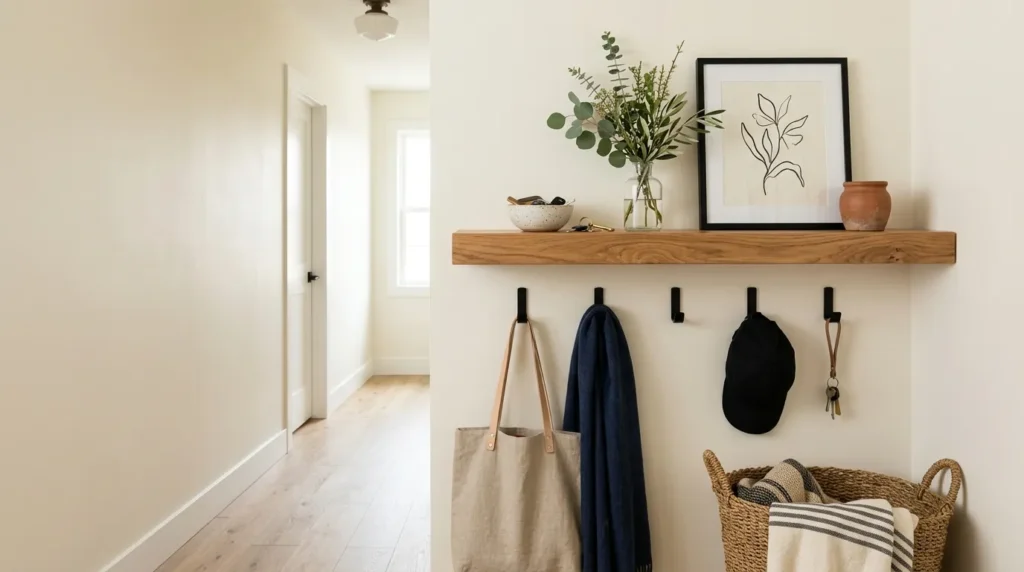
- Install a shallow floating shelf where a full console table would feel too bulky.
- Use the ledge for keys, mail, framed art, a small lamp, or greenery.
- Keep the shelf depth modest so it does not interrupt walking clearance.
- Style only a few pieces to avoid making the wall feel cluttered.
A floating shelf nook adds function without the heaviness of a full console table. In a slim walkway, even a shallow piece of furniture can interrupt movement, but a wall-mounted ledge keeps the floor open. Use it near an entry, bedroom wing, or staircase landing to hold keys, mail, a small vase, or framed art. The shelf gives the wall a purpose and creates a styled moment for guests. In my experience, this works best when the shelf is narrow, sturdy, and edited carefully over time as household needs change seasonally.
Choose wood, painted MDF, metal brackets, or a modern ledge depending on the home’s style. Keep the depth modest so shoulders, bags, and laundry baskets do not bump into it. Below the shelf, you can add a small hook rail, basket, or charging station if the area needs extra utility. Style with only a few pieces, such as a bowl, candle, print, and greenery. The goal is not to fill the wall, but to create a useful pause point that still feels light and uncluttered for daily routines even in a very compact home.
6. Built-In Hooks
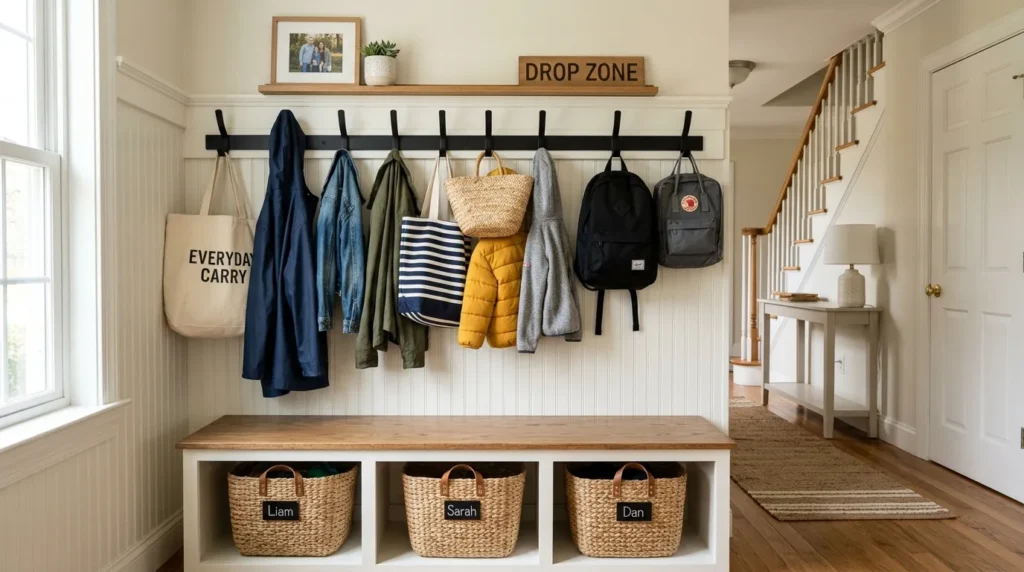
- Mount hooks on a wood rail, beadboard panel, or painted backing for a finished look.
- Use sturdy hooks for coats, totes, hats, backpacks, umbrellas, and leashes.
- Add a lower row if children need access to their own items.
- Keep hook finishes consistent with nearby hardware for visual harmony.
A built-in hook rail brings everyday order to a passage that collects coats, backpacks, hats, and pet leashes. Instead of random hooks scattered across drywall, a single rail creates structure and makes storage look intentional. Wood rails, painted boards, beadboard backers, or shaker-style panels can all work depending on your decor. This idea is especially helpful near garages, apartments, side entries, and family drop zones. I’ve noticed that when hooks are easy to reach, people actually use them instead of leaving items on chairs and benches near the main entry area.
Install the rail into studs whenever possible so it can handle real weight from bags and jackets. If children use the area, add a lower row so they can hang their own things. A small shelf above the hooks can hold baskets, sunglasses, gloves, or seasonal decor. Keep hook finishes consistent with nearby hardware for a clean look. This remodel makes mornings smoother because daily items become visible and accessible. It also keeps the floor clearer, which is essential in any tight walking path at home without creating new visual clutter.
7. Vertical Panel Detail
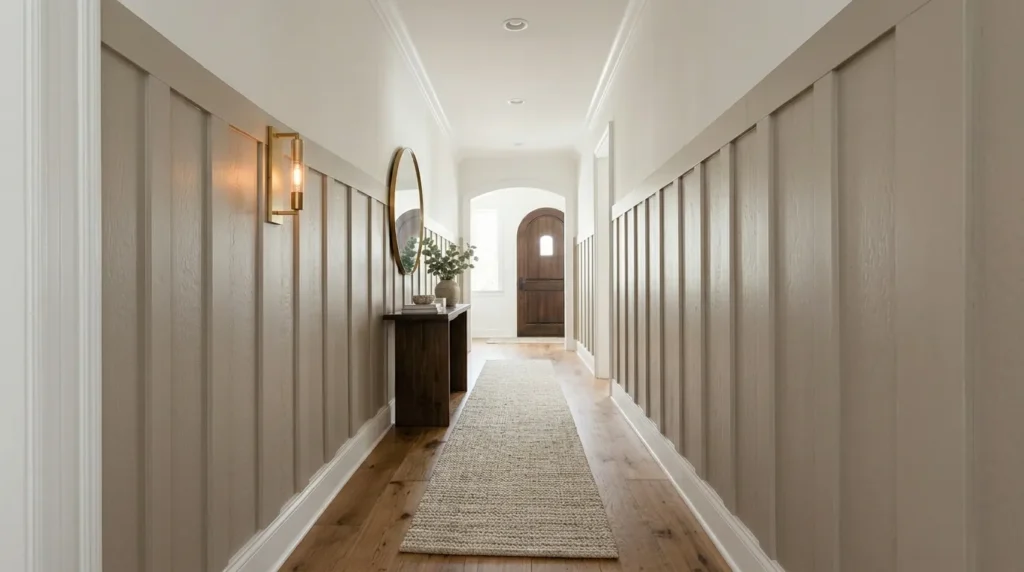
- Add board and batten, beadboard, skinny shiplap, or simple trim strips for texture.
- Use vertical lines to make the walls feel taller and more architectural.
- Paint paneling and wall sections one color for a seamless built-in effect.
- Choose washable paint because lower walls get frequent scuffs.
Vertical paneling gives a plain corridor architectural detail while making the walls feel taller. Board and batten, skinny shiplap, beadboard, or simple trim strips add texture without needing bulky furniture. The vertical lines naturally guide the eye upward, which helps the passage feel less compressed. That’s why many designers recommend wall treatment when a space needs character but cannot sacrifice inches. Painted in one color, the panels look built-in and timeless rather than busy, especially in transitional, farmhouse, cottage, and coastal interiors across many USA homes with very little added depth.
Start by planning the spacing around doors, outlets, vents, and corners before buying materials. Pre-primed MDF or pine trim is affordable and easy to paint, while beadboard panels are faster for longer stretches. Use caulk along seams and fill nail holes so the finish looks professional. For high-traffic zones, choose washable paint because lower walls take scuffs from shoes, bags, and hands. Keep the upper wall simple with one or two frames. The final effect feels custom, durable, and much more finished than a blank wall after only a modest investment.
8. Hidden Shoe Storage
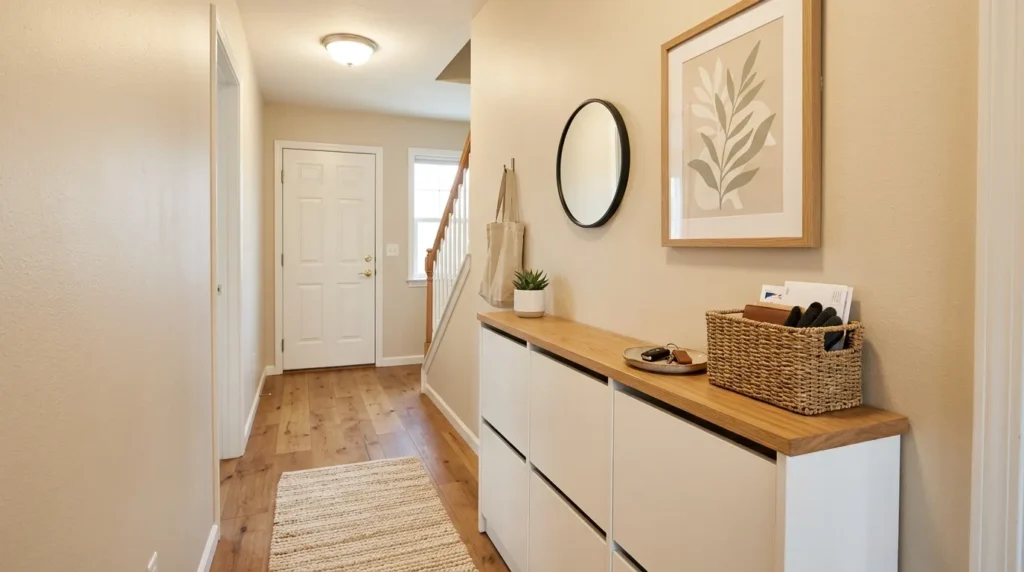
- Use shallow cabinets, tilt-out organizers, cubbies, or slim benches for footwear.
- Choose closed storage for a cleaner, less cluttered appearance.
- Measure boots, sneakers, and door swings before buying any storage unit.
- Add baskets or labels so every family member has a clear section.
Hidden shoe storage can be the difference between a polished entry passage and a daily pileup. Shoes are practical, but they quickly make a slim walkway feel messy and difficult to clean. Shallow cabinets, tilt-out organizers, low cubbies, and narrow benches help control clutter without taking over the floor. Closed fronts create the cleanest look, while open cubbies are easier for kids and guests. I’ve seen this work well in homes without a mudroom, where every inch near the front door matters during busy mornings before school, work, or errands.
Before choosing storage, measure door swings, walking clearance, and the depth of your most-used shoes. Some slim cabinets look beautiful online but may not fit boots, high-tops, or larger men’s shoes comfortably. Use labeled baskets inside cubbies for each family member, or assign a shelf for guests. Add a tray on top for keys, mail, or hand sanitizer if the unit is near the entrance. The transformation is immediate because the floor opens up, cleaning becomes easier, and the hallway feels calmer every day for everyone without feeling overfilled or crowded.
9. Gallery Frame Grid
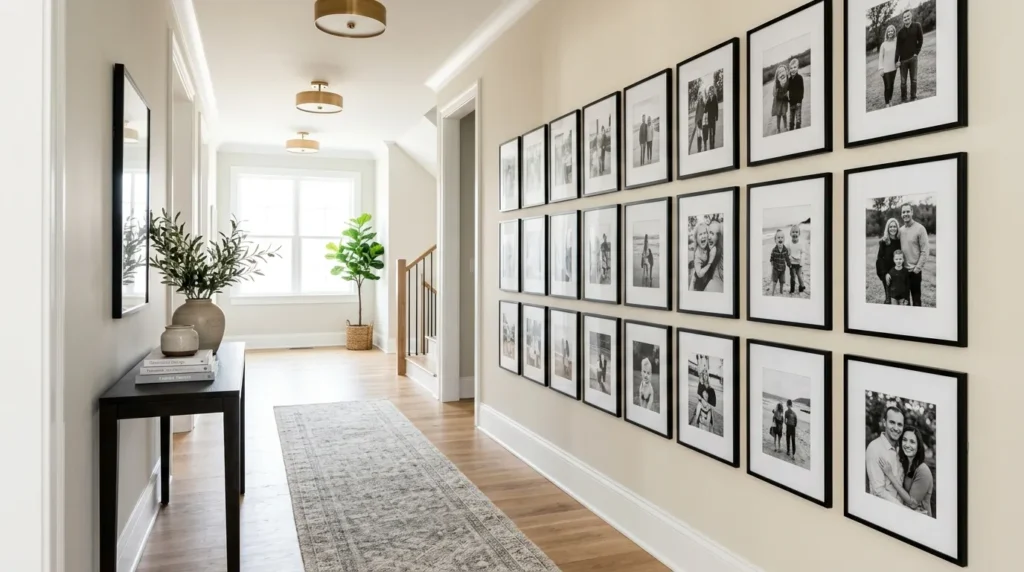
- Use matching frames and even spacing for a clean, structured wall display.
- Choose family photos, black-and-white prints, travel images, or simple artwork.
- Tape the layout first so spacing stays balanced around doors and corners.
- Use lightweight frames with acrylic fronts for safer high-traffic areas.
A gallery frame grid creates order, personality, and visual length in a simple walkway. Unlike a casual gallery wall, a grid uses matching frame sizes and even spacing, which makes the design feel clean and controlled. This is helpful in a tight area because too many random shapes can look cluttered. Use family photos, black-and-white prints, travel images, or downloadable art that matches your color palette. The grid becomes a personal feature while still keeping the wall structured, balanced, and easy to read at a glance without overwhelming the narrow proportions.
Plan the layout with painter’s tape before hammering nails, especially if the hallway has several doors interrupting the wall. Keep frames at eye level and use consistent spacing between each piece. Lightweight frames with acrylic fronts are safer than heavy glass in busy family areas. For a calm look, use one frame finish, such as black, white, oak, or brass. This remodel makes the passage feel more lived-in and meaningful. It also gives guests something beautiful to notice as they move through the home slowly from one room to another.
10. Ceiling Accent Strip
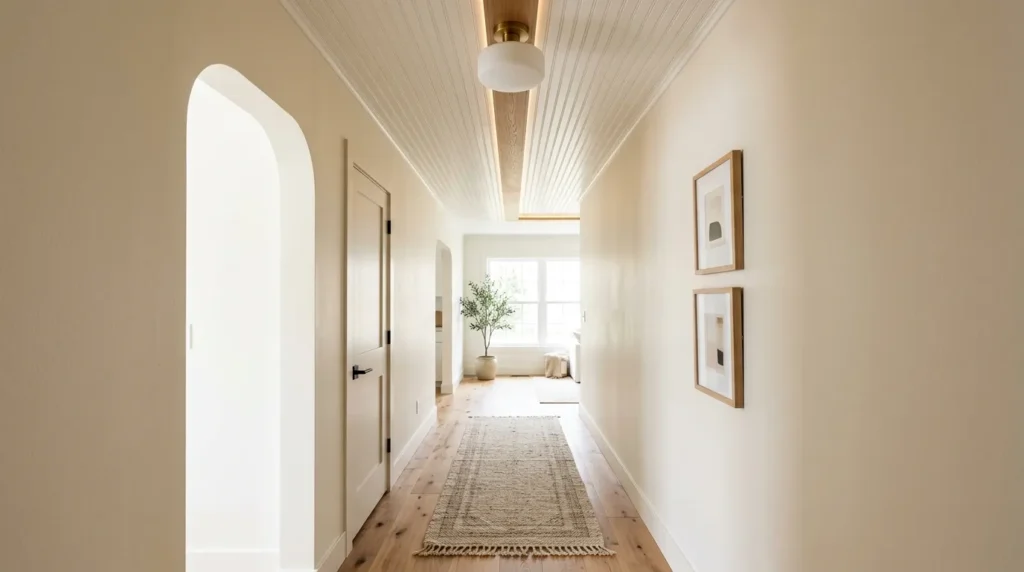
- Paint a soft ceiling stripe, add beadboard, or install thin wood trim for interest.
- Use ceiling detail when the walls are too limited for shelves or large artwork.
- Keep the color light if the ceiling is low or the space lacks natural light.
- Repeat wood tones from nearby flooring or furniture for a connected design.
A ceiling accent strip is a clever way to add style when the walls are already busy or too narrow for decor. Most people forget the ceiling, but it can become a subtle design surface that draws the eye upward. Paint a center stripe, add thin wood planks, install beadboard, or use simple trim to create length. This works especially well in a long passage because the overhead detail naturally guides movement. The space feels custom without adding furniture, hooks, shelves, or bulky accessories along the walls or taking away precious clearance.
Choose the ceiling detail based on height, lighting, and the mood you want. Low ceilings usually look best with light paint, narrow molding, or white beadboard, while taller ceilings can handle deeper color or stained wood. Keep fixtures simple so the ceiling remains the focus rather than competing with several elements. If using wood, repeat tones from nearby flooring or furniture for flow. This upgrade feels unexpected in the best way, turning an ordinary transition area into a thoughtful part of the overall home design from room to room.