
How to Repair Hairline Cracks in a Vitreous China Undermount Sink
Repairing hairline cracks in a vitreous china undermount sink is a task that restores the aesthetic appeal of your bathroom without requiring a complete fixture replacement. These fine fractures often appear due to thermal shock or minor household impacts, yet they rarely compromise the overall structural integrity of the basin. By utilizing a high-quality ceramic…

Repairing hairline cracks in a vitreous china undermount sink is a task that restores the aesthetic appeal of your bathroom without requiring a complete fixture replacement. These fine fractures often appear due to thermal shock or minor household impacts, yet they rarely compromise the overall structural integrity of the basin. By utilizing a high-quality ceramic repair kit, you can effectively seal these fissures to prevent water seepage and further damage.
This process involves careful surface preparation, precise application of an epoxy-based filler, and diligent curing. Following the correct steps ensures a durable, long-lasting finish that blends seamlessly with the original surface of your sink.
Identifying the Severity of the Damage
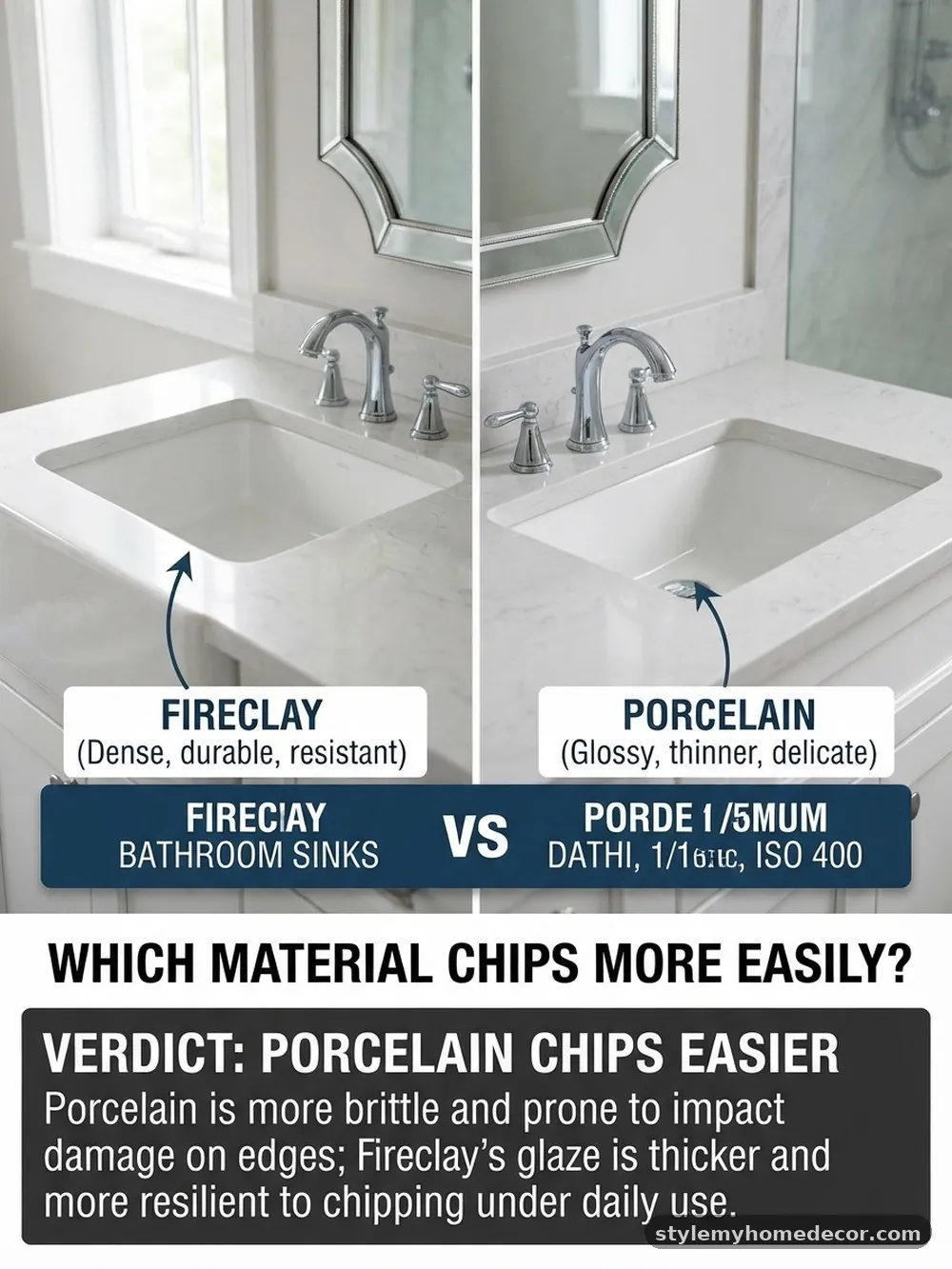
Before you begin repairing hairline cracks in a vitreous china undermount sink, you must determine if the damage is truly superficial. A genuine hairline fracture is typically a surface-level imperfection in the glazing rather than a deep structural breach. Run your fingernail across the crack; if it catches significantly, the fissure may be deeper than it appears.
Vitreous china is a non-porous material known for its durability, but it is not immune to stress. If you notice the crack is actively leaking water into the cabinet below, the sink has likely suffered a structural failure. In such cases, a simple cosmetic repair will not suffice, and you should consider replacing the unit.
Most minor cracks are caused by thermal shock, which occurs when extreme temperature changes cause the ceramic to expand and contract rapidly. If the crack is thin, dry, and does not extend through the entire thickness of the basin, it is a perfect candidate for a DIY repair. Always inspect the underside of an undermount sink to ensure the crack does not penetrate the full depth of the material.
Gathering Necessary Tools and Materials

Success in this project depends heavily on having the right supplies ready before you start the repair. You will need a specialized ceramic or porcelain repair kit that includes an epoxy resin and a color-matching compound. These kits are formulated to bond specifically with the hard, glass-like finish of vitreous china.
You should also gather a few essential tools to ensure a smooth, professional-looking application. A small putty knife or a plastic applicator is necessary for spreading the epoxy. Fine-grit sandpaper, specifically in the 400 to 600 range, will be required to level the repair once it has dried.
Finally, do not overlook the importance of cleaning agents. Isopropyl alcohol or acetone is vital for removing oils and soap scum from the area, as any residue will prevent the sealant from adhering properly. Having masking tape on hand will also help you protect the surrounding areas of the sink from accidental spills or over-sanding.
Surface Preparation and Cleaning
Proper surface preparation is the most critical step in the entire process. Any trace of moisture, dust, or grease will compromise the bond of the epoxy resin, leading to a premature failure of your repair. Start by thoroughly drying the area with a clean, lint-free cloth.
Use a small amount of isopropyl alcohol on a cotton ball to wipe down the crack. This step removes invisible residues that could prevent the filler from setting correctly. If the crack has any loose debris or sharp, protruding edges, lightly sand the area with your fine-grit sandpaper to smooth it out.
After sanding, wipe the area again with a clean cloth dampened with acetone or alcohol. Allow the surface to air dry completely for several minutes before proceeding. A perfectly clean, dry surface is the only way to ensure the epoxy creates a lasting, waterproof seal.
Mixing and Applying the Repair Compound

Most ceramic repair kits consist of a two-part epoxy resin that you must mix together according to the manufacturer’s instructions. Use a small disposable container or a piece of cardboard to combine the resin and hardener. Mix them thoroughly until the color is uniform, as an incomplete mix will result in a soft, tacky finish that never fully cures.
Using your putty knife or applicator, carefully press the mixture into the hairline crack. Work the compound into the fissure with firm, even strokes to ensure it fills the void completely. Try to leave the filler slightly raised above the surrounding surface, as it may shrink slightly during the curing process.
If you are working on a vertical wall of the sink, apply the compound in thin, controlled layers to prevent sagging. If the kit includes a color-matching component, adjust the tint as you mix to ensure it blends with the existing shade of your sink. It is often easier to mix a slightly lighter shade and darken it incrementally than to try and lighten a compound that is already too dark.
Managing Curing Time and Finishing
Once the epoxy is applied, patience is your best asset. The curing time varies by product, but most epoxies require at least 24 hours to reach full strength and hardness. Avoid using the sink during this period to prevent moisture or movement from disrupting the setting process.
After the allotted time has passed, inspect the repair to ensure it is hard to the touch. If the surface is slightly uneven, use your fine-grit sandpaper to sand the excess material down until it is flush with the surrounding glaze. Use a light, circular motion and keep the sandpaper wet if the kit instructions suggest a wet-sanding technique.
Following the sanding, you may need to apply a thin layer of gloss finish or a protective sealant provided in the kit. This final step restores the shine and provides an extra layer of protection against future staining. Once this final coat is dry, your sink should look as good as new.
Comparing Repair Methods
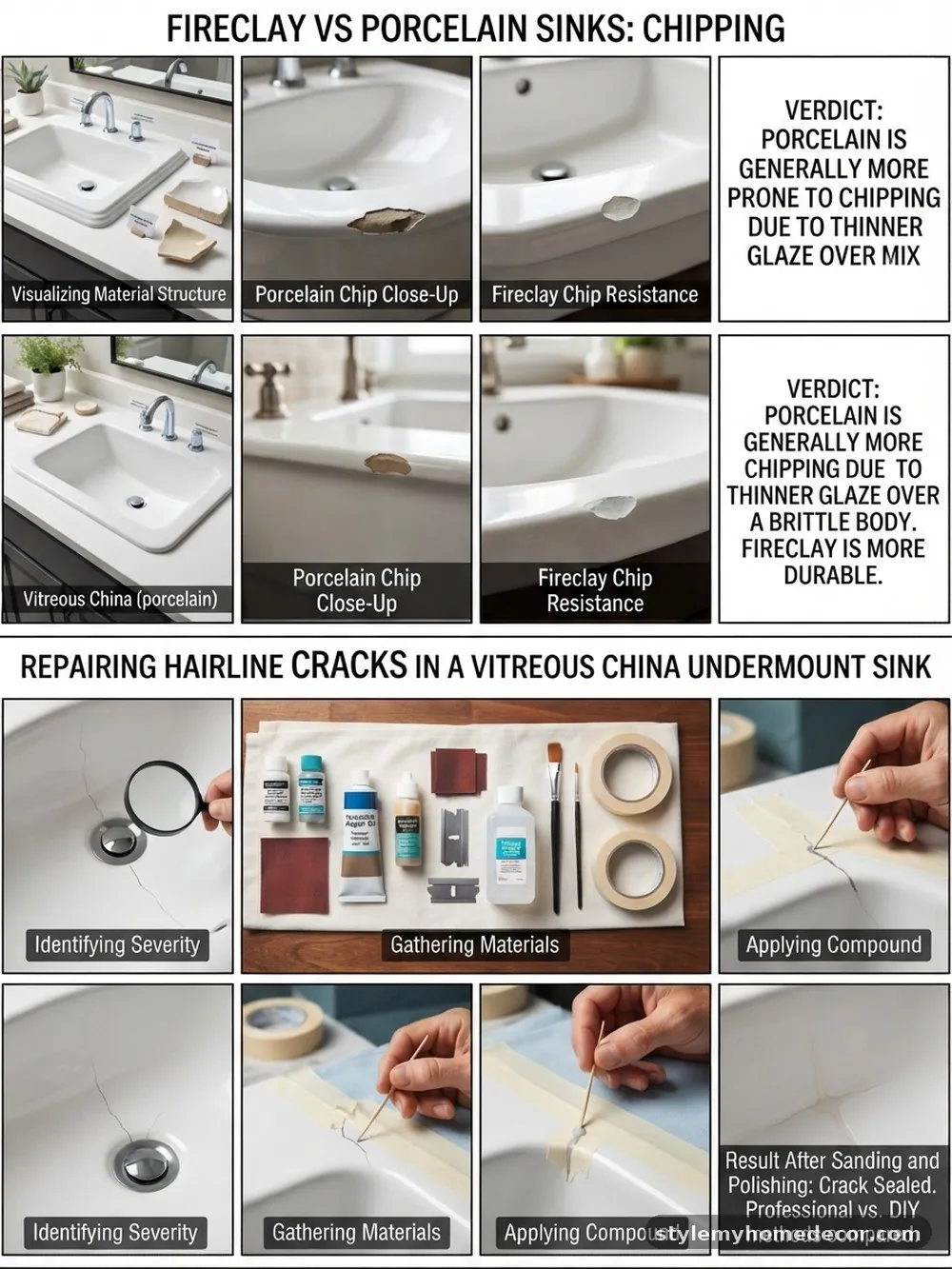
When addressing damage, homeowners often weigh the pros and cons of different approaches. Below is a comparison of standard methods for handling cracks in bathroom fixtures.
| Method | Best For | Pros | Cons |
|---|---|---|---|
| Epoxy Repair Kit | Hairline cracks | Inexpensive, DIY-friendly | Requires color matching |
| Porcelain Glaze Touch-up | Surface scratches | Easy application | Not durable for deep cracks |
| Full Sink Replacement | Structural fractures | Permanent solution | High cost, labor-intensive |
Preventing Future Stress Fractures
Understanding the causes of cracks can help you prevent them from returning. Thermal shock is one of the most common culprits in modern bathrooms. Avoid pouring boiling water directly into a cold sink, as the rapid temperature change creates significant stress on the ceramic material.
Household impact is another major factor to consider. Even small, seemingly insignificant taps from heavy objects like hair dryers or heavy perfume bottles can create a point of failure. Be mindful when placing heavy items on the counter near the sink to ensure they do not accidentally fall into the basin.
Consistent bathroom sink maintenance also plays a role in longevity. Avoid using harsh, abrasive cleaning agents that can wear down the factory glaze over time. A weakened glaze is more susceptible to micro-cracking, which eventually develops into visible hairline fractures.
Common Mistakes to Avoid
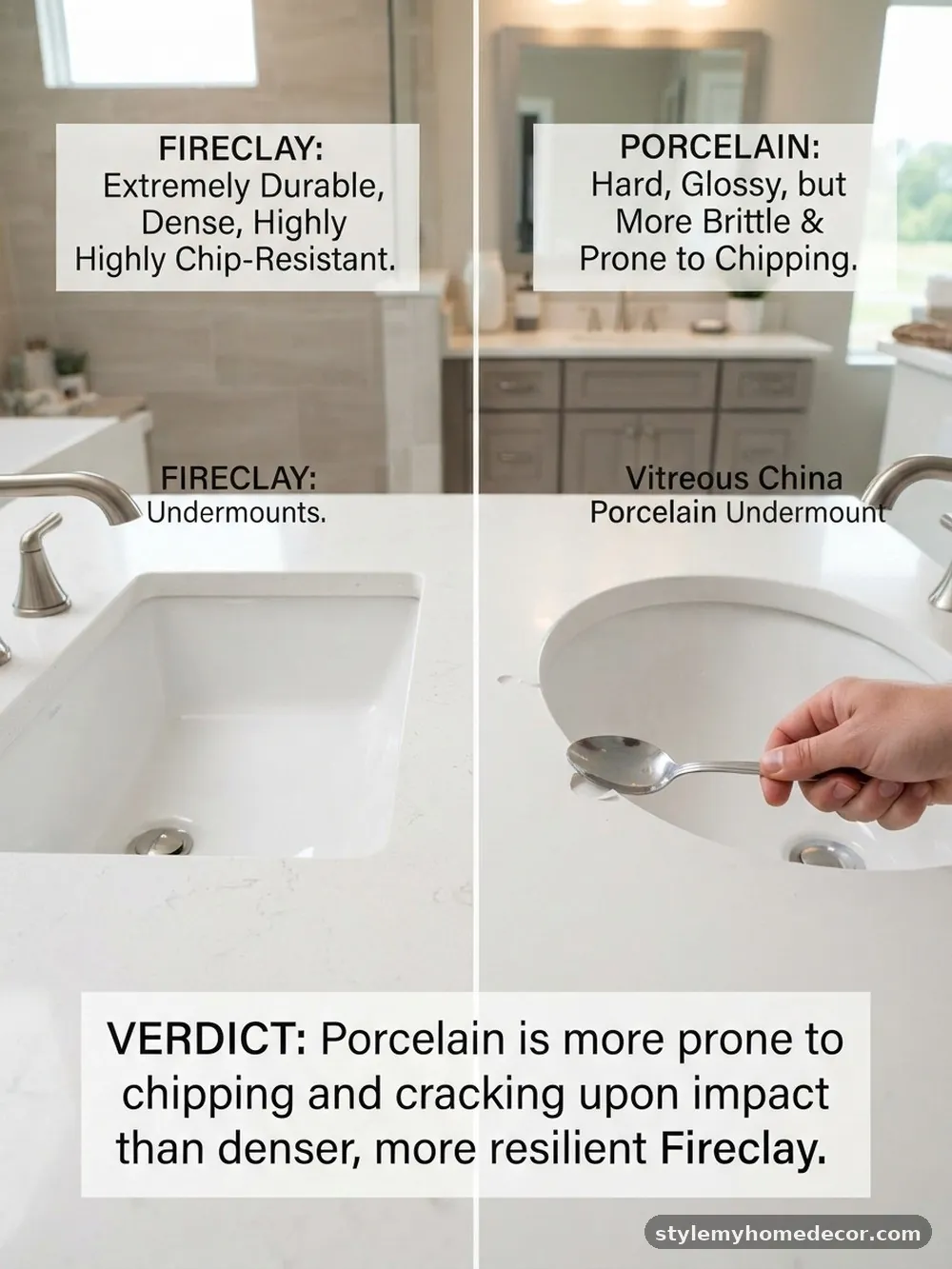
Many DIYers struggle because they rush the process or use the wrong materials. One of the most common errors is failing to clean the crack adequately. If you skip the alcohol wipe, the epoxy will eventually peel away, leaving you with a dirty, yellowing crack that looks worse than the original.
Another mistake is over-sanding the area. If you use sandpaper that is too coarse, you will scratch the surrounding factory finish, leaving dull marks that are difficult to polish out. Always start with the finest grit possible and move to a coarser grit only if the material is not coming off as expected.
Finally, ignoring the manufacturer’s mixing ratios is a recipe for disaster. The resin needs the exact amount of hardener to cure into a durable, waterproof plastic. If the ratio is off, the repair may remain gummy or brittle, causing it to crack again within a few weeks of normal use.
FAQ: Addressing Your Concerns
Is vitreous china the same as regular porcelain?
While often used interchangeably, vitreous china is a specific type of ceramic that has been fired at a higher temperature. This process makes it denser and more resistant to water absorption than standard porcelain, which is why it is the standard material for high-quality sinks.
Can I use super glue to fix a hairline crack?
You should avoid using cyanoacrylate adhesives, or super glue, for sink repairs. These glues are not designed for wet environments and will quickly turn yellow and brittle when exposed to soap and water, failing within a short time.
How do I know if the crack is a structural threat?
If the crack extends through the entire thickness of the ceramic or if the sink appears to be shifting, it is a structural issue. A hairline crack that is strictly on the surface is a cosmetic issue that is safe to repair with epoxy.
What if I cannot match the color of my sink?
Most repair kits offer a color-matching compound that you can mix to achieve a custom shade. If you are struggling, test the color on a piece of white paper next to the sink in natural light before applying it to the fixture.
Essential Maintenance Checklist
Maintaining the integrity of your sink requires a proactive approach. Use this list to ensure your basin remains in top condition for years to come.
- Clean the basin weekly with mild soap and a soft, non-abrasive cloth.
- Avoid dropping heavy objects directly into the undermount sink.
- Check the silicone seal around the rim of the sink for gaps or mold.
- Monitor the sink for any new, growing, or deepening fractures.
- Refrain from pouring extremely hot water into a cold basin.
- Inspect the plumbing connections under the sink annually for slow leaks.
Conclusion
Repairing hairline cracks in a vitreous china undermount sink is a manageable project that yields significant results when done with care. By meticulously cleaning the surface, choosing the right epoxy, and allowing for proper curing time, you can effectively hide minor damage and extend the life of your fixture. Always prioritize safety and take the time to match the color of your repair compound to the sink’s finish for a seamless look.
With these steps, you can maintain the beauty of your bathroom without the expense or hassle of a full replacement. If you have any further questions about your specific model or the materials used, feel free to consult professional plumbing resources or reach out for additional advice.