
Kohler Cast Iron vs Enameled Steel Sinks: Weight and Durability Guide
Choosing the right kitchen fixture requires balancing aesthetics with long-term functionality. When comparing Kohler cast iron vs enameled steel sinks, the primary differences lie in the thickness of the material, the resilience of the enamel coating, and the total weight placed on your cabinetry. Cast iron remains a classic choice for homeowners who value a…

Choosing the right kitchen fixture requires balancing aesthetics with long-term functionality. When comparing Kohler cast iron vs enameled steel sinks, the primary differences lie in the thickness of the material, the resilience of the enamel coating, and the total weight placed on your cabinetry. Cast iron remains a classic choice for homeowners who value a heavy, solid feel, while enameled steel serves as a lighter, more budget-conscious alternative.
Understanding how these materials perform under daily stress will help you decide which option best fits your kitchen renovation plans and structural needs.
The Verdict on Weight and Durability
If you need a quick answer regarding the fundamental differences, here is the reality: Kohler cast iron is significantly heavier and more durable than enameled steel. A standard large-basin cast iron sink can weigh anywhere from 80 to over 150 pounds, whereas an enameled steel equivalent often weighs less than 30 pounds.
This disparity means that while cast iron requires heavy-duty structural support in your cabinetry, enameled steel is much easier to install in standard setups. Regarding durability, cast iron’s thick, oven-fired enamel resists scratching and chipping far better than the thin, stamped-steel construction of enameled models.
Understanding the Composition of Cast Iron
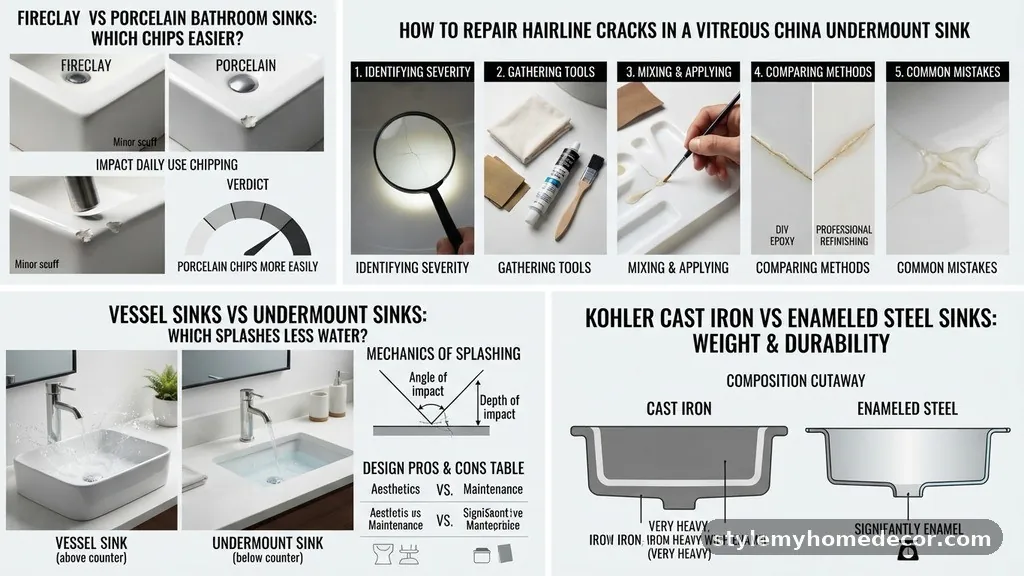
Kohler cast iron sinks are crafted by pouring molten iron into a mold, which is then cooled and cleaned. Once the form is set, a heavy coat of powdered enamel is applied to the surface. The unit is then fired in a kiln at extremely high temperatures, often exceeding 1,500 degrees Fahrenheit. This process creates a chemical bond between the glass-like enamel and the iron core.
The resulting material is exceptionally dense and retains heat remarkably well. If you frequently wash large pots or need to soak dishes in hot water, the thermal mass of the iron helps maintain the water temperature for longer periods.
This physical density also contributes to the sink’s reputation for sound dampening. When water hits the basin, you hear a dull thud rather than the metallic clatter common in thinner materials.
Because the iron is so substantial, it provides a rigid foundation that does not flex under pressure. This rigidity is crucial for maintaining the integrity of the enamel layer over decades of use.
While the weight is a logistical challenge during installation, it acts as an anchor that stabilizes the fixture within the countertop. Many homeowners find that this heavy, permanent feel adds a sense of quality and value to their kitchen design.
The Mechanics of Enameled Steel
Enameled steel, sometimes referred to as porcelain-enameled steel, is manufactured using a very different process. It begins with a sheet of steel that is pressed into the desired shape using industrial heavy-duty stamps. Because the steel is thin, it must be lightweight to remain workable during the manufacturing phase. A thin layer of enamel or porcelain coating is then sprayed onto the steel and fired to cure.
The primary advantage here is the ease of handling. Because these units are so light, they can often be installed by a single person without the need for specialized lifting equipment.
They are a popular choice for budget-friendly renovations or for homeowners who want a classic, glossy look without the massive weight penalty. However, this thinness is also the material’s greatest weakness.
Because the steel core is flexible, it can move slightly under the weight of heavy pots or the impact of dropped cutlery. This flexing puts stress on the brittle enamel coating, which can eventually lead to hairline cracks or chipping. While these sinks can look identical to cast iron from a distance, the lack of a thick, solid base makes them more susceptible to impact damage over time.
Comparing Structural Support Requirements
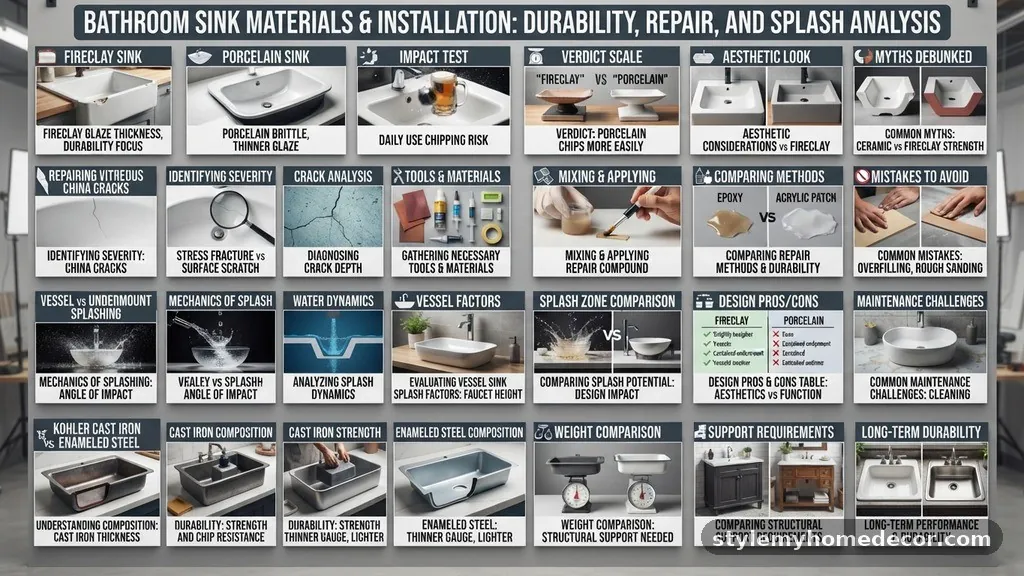
The weight difference between these two materials dictates how you prepare your kitchen cabinetry. A Kohler cast iron sink is heavy enough that it often requires additional bracing or a reinforced sink base cabinet. If you are installing an undermount model, the weight of the sink plus the water and dishes inside can exceed 200 pounds. You must ensure your cabinet walls and the countertop adhesive are rated to handle this load.
Enameled steel, by contrast, is light enough to mount into almost any standard cabinet box without extra support. You won’t need to worry about the cabinet side panels bowing or the undermount clips failing under the weight.
This simplicity makes steel an attractive option for DIY projects where modifying existing cabinetry is not feasible. If you are retrofitting an old kitchen and don’t want to replace your base cabinets, the lighter weight of steel is a clear technical advantage.
Durability and Long-Term Wear
When assessing long-term wear, the thickness of the enamel finish is the deciding factor. Kohler’s cast iron process results in an enamel layer that is deep and remarkably hard. It is designed to withstand the daily scraping of heavy cast iron skillets and the occasional impact of a falling plate. Even after years of hard use, these sinks often show little more than minor surface wear that can be buffed out with specialized cleaners.
Enameled steel lacks this deep finish. Because the steel base is prone to bending, the enamel coating is essentially stretched every time the sink is bumped.
This often results in “star cracks” or chips that expose the metal underneath to moisture. Once the steel is exposed, rust can develop quickly, which ruins the aesthetic and compromises the structural integrity of the basin.
The following table summarizes the key performance differences between these two materials:
| Feature | Kohler Cast Iron | Enameled Steel |
|---|---|---|
| Typical Weight | 80–150+ lbs | 15–30 lbs |
| Finish Durability | High (Resistant to chips) | Low (Prone to cracking) |
| Sound Insulation | Excellent (Natural dampening) | Poor (Requires pads) |
| Installation Ease | Difficult (Requires support) | Easy (Lightweight) |
| Thermal Retention | High | Low |
Aesthetics and Color Retention

Both materials are available in a wide range of colors, and both offer that classic, glossy look that fits well in farmhouse or traditional kitchen designs. However, the depth of color in cast iron is often perceived as more vibrant. Because the enamel is applied more thickly, it creates a rich, lustrous appearance that reflects light differently than the thinner coating on steel.
Over time, enamel can become dull due to acidic foods or abrasive cleaning habits. While both materials are susceptible to this, the thicker enamel on cast iron provides more “material” to work with if you ever need to restore the shine.
You can safely use mild abrasive cleaners or polishing compounds on high-quality cast iron without worrying about reaching the underlying metal. With steel, the coating is so thin that aggressive cleaning can quickly wear through to the base, leading to permanent damage.
The Impact of Daily Use
Think about how you use your kitchen on a daily basis. If you are a serious cook who works with heavy pans, large stockpots, and constant cleanup, the durability of cast iron is a major asset. It handles the “clunk” of a heavy pan against the side of the sink without complaint. You aren’t constantly worried about the sink’s finish getting damaged during a busy dinner prep session.
If your kitchen usage is lighter, or if you are renovating a secondary space like a wet bar or an apartment kitchenette, the performance gap narrows. The constant use of a sink in a primary kitchen is the true test of material quality.
For high-traffic areas, the investment in a heavier, more permanent material typically pays off in reduced maintenance and a longer lifespan. You can find more technical specifications on materials via the National Research Council guidelines for residential building standards.
Installation Challenges and Costs

Installation costs are often higher for cast iron due to the labor involved. Because of the weight, it is rarely a one-person job, and your contractor may charge more for the logistics of mounting the sink securely. You also need to consider the type of countertop you are using. A heavy cast iron sink generally requires a solid surface like granite or quartz, which can support the weight of an undermount installation.
Enameled steel is the champion of the “drop-in” or “top-mount” installation. It can be easily secured with standard clips into laminate or wood countertops where heavy materials would be impossible to support.
If your budget is tight and you are doing the labor yourself, the savings on equipment and cabinet reinforcement can be substantial. Just remember that the lower upfront cost is often balanced by a shorter lifespan for the product.
Maintenance and Cleaning Habits
Maintaining a clean sink is important for kitchen hygiene, and both materials are generally non-porous and easy to wipe down. However, cast iron is more forgiving of the tools you use to keep it clean. You can use standard nylon scrubbers or even mild scouring powders without worrying about scratching the enamel surface.
For enameled steel, you must be much more careful. Avoid any abrasive tools that could potentially scratch the thinner finish, as these scratches are permanent and act as magnets for dirt and stains.
Using a soft cloth and a gentle liquid cleaner is the standard recommendation for steel sinks. While this keeps them looking good, it does require more consistent, gentle maintenance compared to the more rugged cast iron.
Common Myths about Sinks
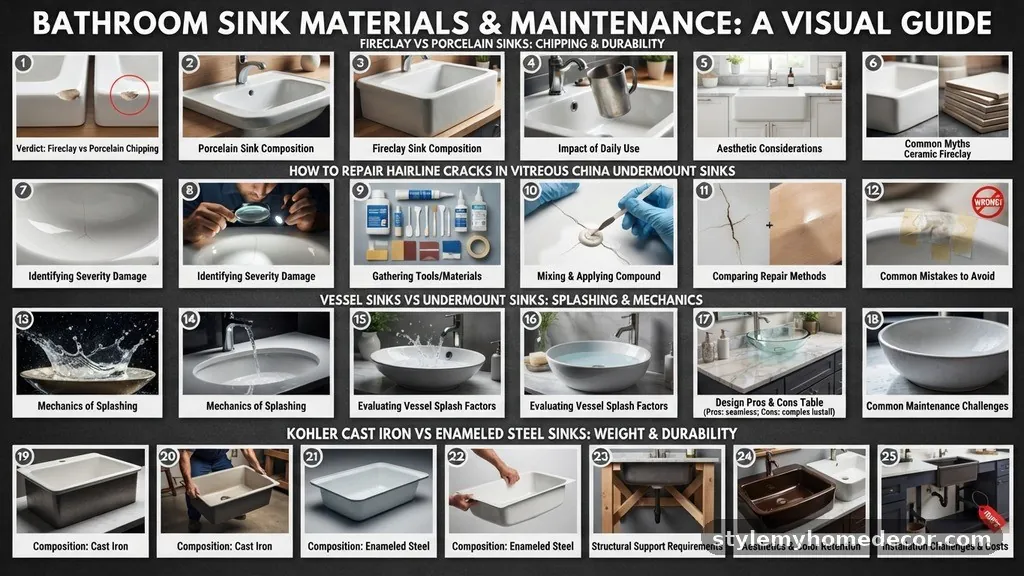
There is a common misconception that all enameled sinks are the same regardless of the base material. Many shoppers assume that as long as it is “enameled,” it will perform the same way. This is false, as the base material determines how the enamel behaves under stress. The flexibility of steel is a fundamental property that cannot be engineered away, no matter how good the enamel coating is.
Another myth is that cast iron is impossible to clean. While it is heavy, the finish is actually one of the most hygienic surfaces available because it is so smooth and resistant to bacteria.
The only real “downside” is the weight, which is purely an installation issue, not a daily usage problem. Do not let the ease of lifting a steel sink convince you that it is a superior product for long-term kitchen performance.
Frequently Asked Questions
How much does a typical Kohler cast iron sink weigh?
Most standard double-basin Kohler cast iron kitchen sinks weigh between 80 and 120 pounds. Larger, single-basin apron-front models can weigh significantly more, sometimes exceeding 150 pounds, so check the specific model specifications before finalizing your cabinet plan.
Does the cast iron core make the sink healthier?
The health benefits are primarily related to the non-porous nature of the enamel finish. Because the surface is glass-like and smooth, it does not harbor bacteria or odors, making it a very hygienic choice for food preparation areas compared to porous materials like stone or some plastics.
Can I fix a chip in my enameled sink?
Yes, you can purchase enamel repair kits that match the color of your sink. However, these are temporary fixes; once the enamel is chipped, the bond is broken, and the area will likely remain a weak point that is prone to further degradation over time.
Is stainless steel a better alternative to these two?
Stainless steel is a different animal entirely, as it does not rely on an enamel coating. It is highly resistant to impact and temperature changes, but it is prone to scratching and water spotting, which makes it a trade-off between the “classic” look of enamel and the “industrial” durability of metal.
How long do these sinks usually last?
A well-maintained Kohler cast iron sink can last for several decades, often outliving the countertops they are installed in. Enameled steel sinks typically have a shorter lifespan, often showing signs of wear or surface damage within 5 to 10 years of heavy daily use.
Final Considerations for Your Choice
When you weigh the pros and cons of Kohler cast iron vs enameled steel sinks, the decision usually comes down to your long-term goals for the kitchen. If you are building your “forever home” and want a fixture that will stand up to decades of heavy use, the investment in cast iron is well worth the extra effort and cost. It provides a level of durability, sound dampening, and heat retention that enameled steel simply cannot match.
If you are working on a budget-conscious renovation, a guest kitchen, or a rental property, enameled steel offers a clean, classic look without the structural requirements of its heavier cousin. By understanding the physical limits of each material, you can select the one that aligns with your lifestyle. Whether you choose the solid, enduring weight of cast iron or the practical, lightweight nature of steel, selecting the right material will ensure your kitchen remains a functional and beautiful space for years to come.