12 Wood Burning Stove Ideas for Cozy Homes
A wood stove can turn an ordinary room into the warmest place in the home. For many USA homeowners, it is not only about heat, but also about creating a cozy focal point that feels rustic, welcoming, and timeless. These wood burning stove ideas will help you style your space with comfort, safety, beauty, and…
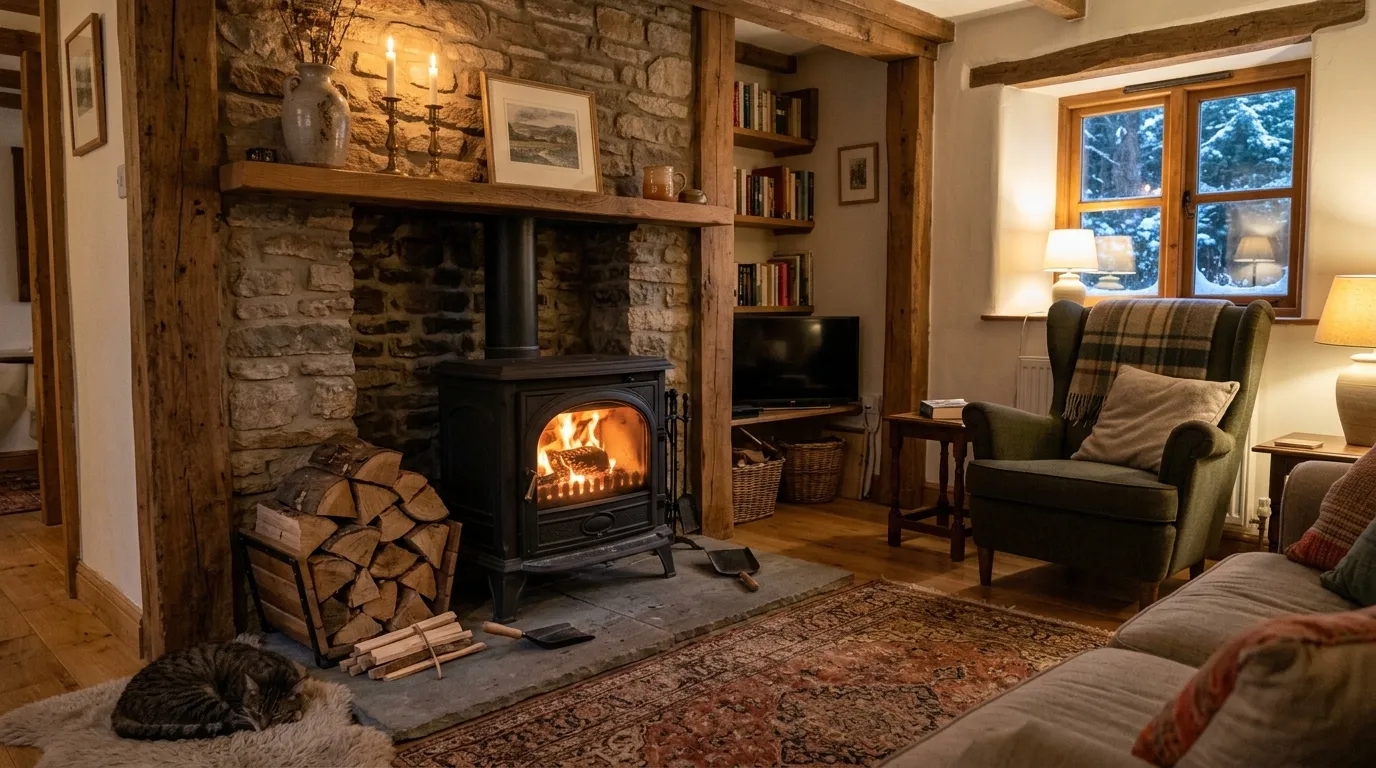
A wood stove can turn an ordinary room into the warmest place in the home. For many USA homeowners, it is not only about heat, but also about creating a cozy focal point that feels rustic, welcoming, and timeless. These wood burning stove ideas will help you style your space with comfort, safety, beauty, and everyday function in mind.
A well-planned stove area can make winter evenings feel calmer, family rooms feel more grounded, and small cabins feel deeply personal. The right materials, seating layout, hearth finish, and storage details can completely change the atmosphere. This guide shares practical, Pinterest-friendly ideas that work for cottages, farmhouses, cabins, modern homes, and cozy living rooms.
1. Stone Hearth
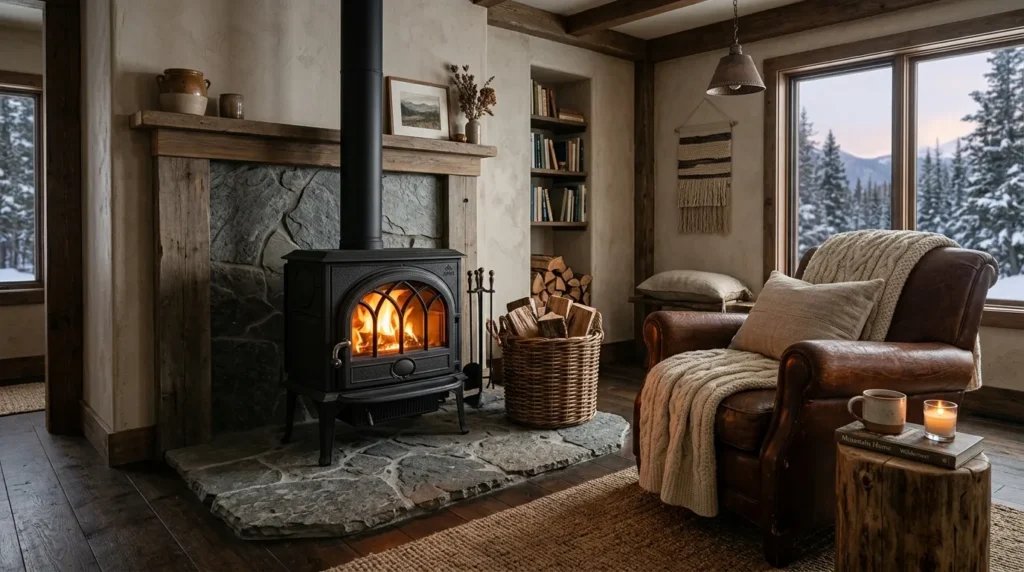
- A stone hearth adds natural texture and strong visual weight. It makes the stove area feel permanent, grounded, and professionally designed.
- Natural stone works beautifully in rustic cabins, farmhouse homes, mountain retreats, and traditional living rooms. It brings warmth without looking too polished.
- Slate, limestone, river rock, and stacked stone are strong material choices. Each option creates a different mood depending on color and texture.
- A raised hearth can also improve visibility and create a stronger focal point. It makes the stove feel more intentional in larger rooms.
- Always consider proper clearances and local code requirements. A beautiful hearth should also support safe daily use.
A stone hearth instantly gives a wood stove the presence it deserves. The natural texture frames the fire in a way painted drywall or plain flooring cannot match. In my experience, stone works especially well because it feels both practical and emotional, bringing the look of older country homes into modern spaces. Choose soft gray slate for a clean look, warm limestone for a lighter room, or irregular fieldstone for a more rustic cabin feeling. The hearth becomes the visual anchor of the entire room.
The transformation feels cozy, sturdy, and deeply connected to nature. A stone base also gives you a practical landing area for tools, a wood basket, and fire-safe accessories. If your room feels flat, stone adds depth without needing extra decor. Keep nearby furniture simple so the hearth remains the main feature. A leather chair, wool rug placed safely away, and simple wood storage can complete the space. The result feels warm, lived-in, and ready for long winter nights.
2. Brick Surround
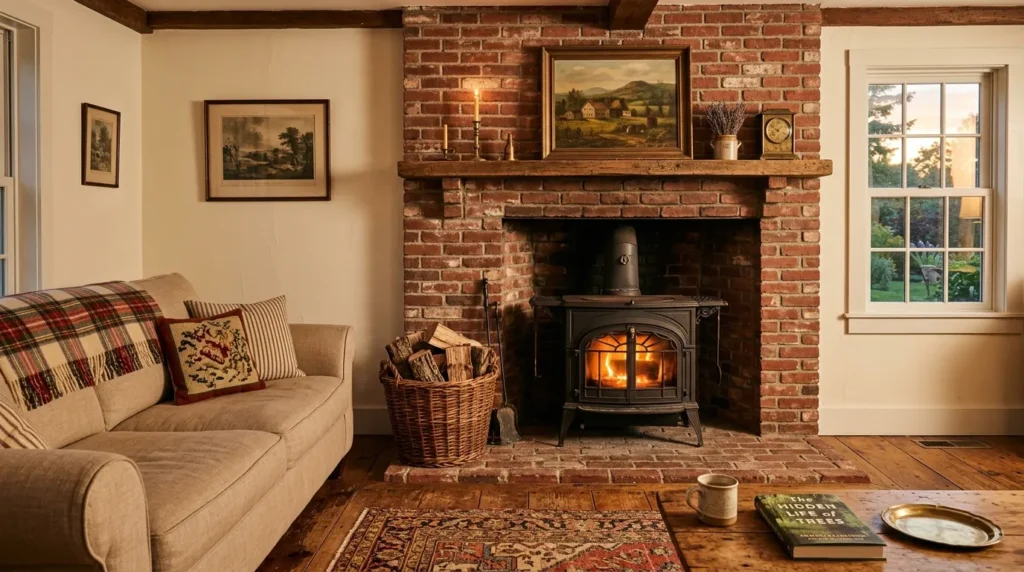
- A brick surround creates a classic fireside look. It works well in older homes, farmhouse spaces, and cozy cottage-style rooms.
- Red brick feels warm and traditional, while whitewashed brick feels softer and brighter. Both styles can change the whole mood.
- Brick is visually textured, durable, and easy to pair with wood tones. It gives the stove area a timeless handmade feeling.
- A full-height brick wall can create drama in a living room. A smaller brick alcove keeps the look more subtle and compact.
- Pair brick with black metal, aged brass, wood beams, or vintage art. These materials make the design feel layered and authentic.
A brick surround brings instant character to a wood stove corner. The pattern, color variation, and slightly imperfect surface make the space feel warm before the fire is even lit. I’ve noticed that brick is one of the easiest ways to make a newer room feel older and more soulful. Traditional red brick adds depth and richness, while limewashed or painted brick can brighten tight spaces. The design works because brick feels familiar, nostalgic, and naturally connected to hearth-centered living.
The room changes from plain to inviting because the stove finally has a proper frame. A brick backdrop also hides everyday marks better than smooth painted walls, which is helpful in busy homes. Use a simple mantel shelf if the layout allows, but keep combustible materials at safe distances. Add a metal log holder, woven basket, and one strong piece of wall decor nearby. The final look feels casual, cozy, and beautifully suited for American homes with farmhouse or cottage character.
3. Corner Nook
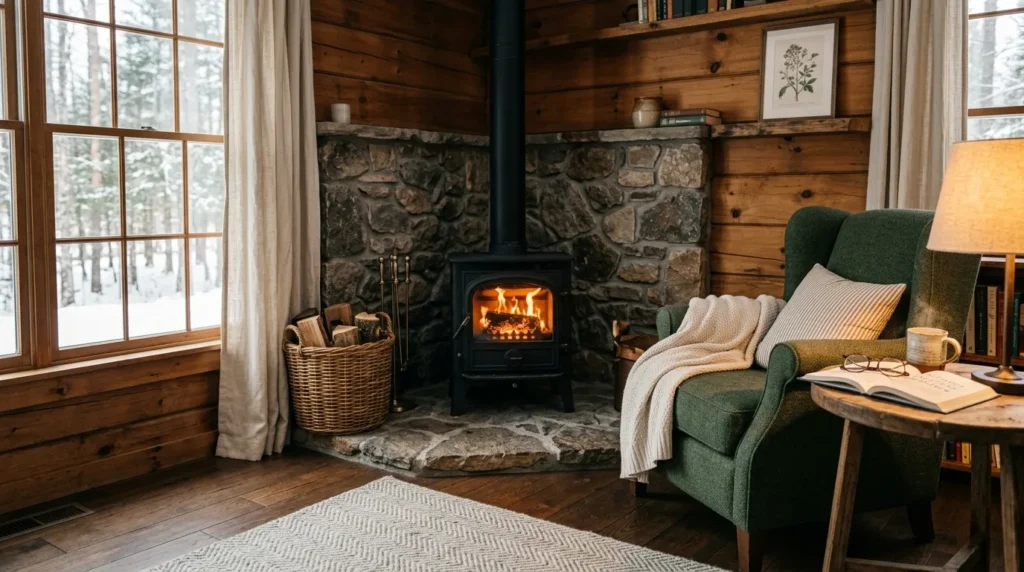
- A corner nook makes excellent use of awkward space. It can turn an unused corner into the most charming zone in the room.
- This idea works well in small cabins, compact living rooms, basements, and open-plan homes. It creates warmth without taking over the floor plan.
- Angled hearth materials can help the stove fit naturally into the corner. Stone, tile, or brick can define the area clearly.
- Add a nearby chair, small side table, and reading lamp. The corner can become a comfortable winter reading spot.
- Keep circulation space open around the stove. Cozy should never mean crowded or difficult to move through.
A corner nook can make a wood stove feel tucked in, charming, and wonderfully efficient. Many homes have corners that hold random baskets, unused chairs, or empty wall space, but a stove can give that area real purpose. This layout works especially well when the room is not large enough for a central hearth wall. An angled hearth, compact stove model, and simple surrounding finishes can make the corner feel planned. The trick is keeping the design balanced instead of visually heavy.
The transformation creates a cozy destination inside the room. Add one comfortable chair nearby, but avoid pushing furniture too close to the heat source. A small table can hold a book, mug, or candle, making the nook feel useful during quiet evenings. Use wall-mounted lighting if floor space is limited. For visual softness, add wood tones, neutral upholstery, and textured curtains. The finished corner feels warm, private, and practical, especially in homes where every square foot needs to work harder.
4. Tile Backdrop
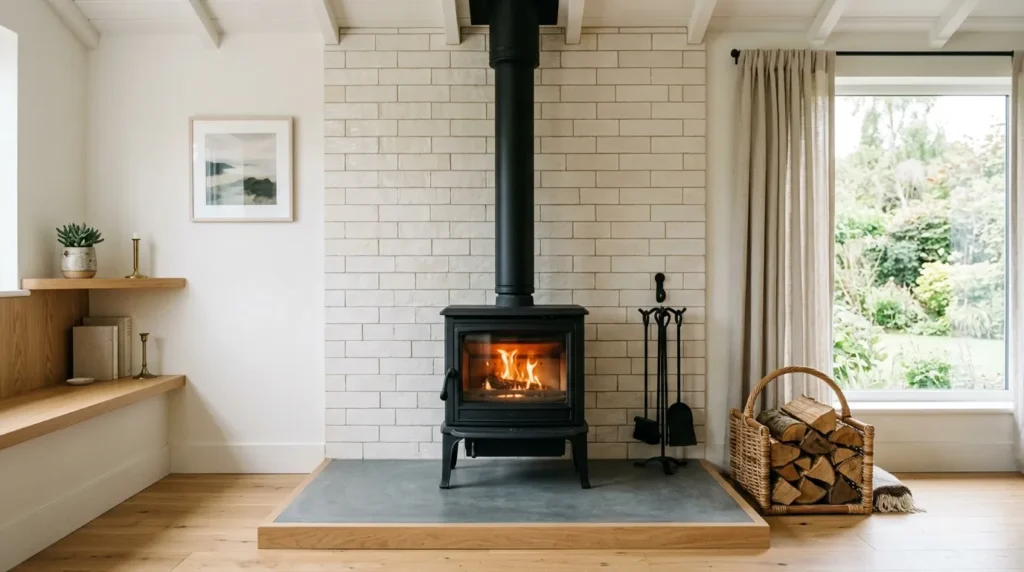
- A tile backdrop adds pattern, color, and easy-clean style. It can make a stove area feel custom without overwhelming the room.
- Handmade-look tile creates a softer artisan effect. Smooth porcelain tile gives the area a cleaner and more modern appearance.
- Neutral tile works well for timeless homes, while patterned tile adds personality. Choose based on how bold you want the focal point.
- Tile is helpful behind stove areas because it visually defines the wall. It also creates a crisp frame around black metal stoves.
- Consider matte finishes, zellige-style texture, slate-look porcelain, or simple subway tile. These options work across many home styles.
A tile backdrop is perfect when you want the stove area to feel styled but not overly rustic. Tile gives you control over color, pattern, scale, and texture, which makes it flexible for modern and traditional interiors. That’s why many designers recommend tile when homeowners want warmth with a cleaner finish. Soft cream tile can brighten a small room, charcoal tile can create contrast, and patterned tile can bring a cottage or European feel. The backdrop becomes decor and function together.
The finished space feels more polished because the stove is framed like a designed feature. Tile also makes it easier to connect the stove area with nearby kitchen, entryway, or living room finishes. Use grout color carefully because high contrast creates pattern, while matching grout creates a calmer look. Add simple accessories, such as a black tool set or natural wood basket, so the tile remains the star. This idea works beautifully for homeowners who want cozy warmth with a slightly refined edge.
5. Built-In Wood Storage
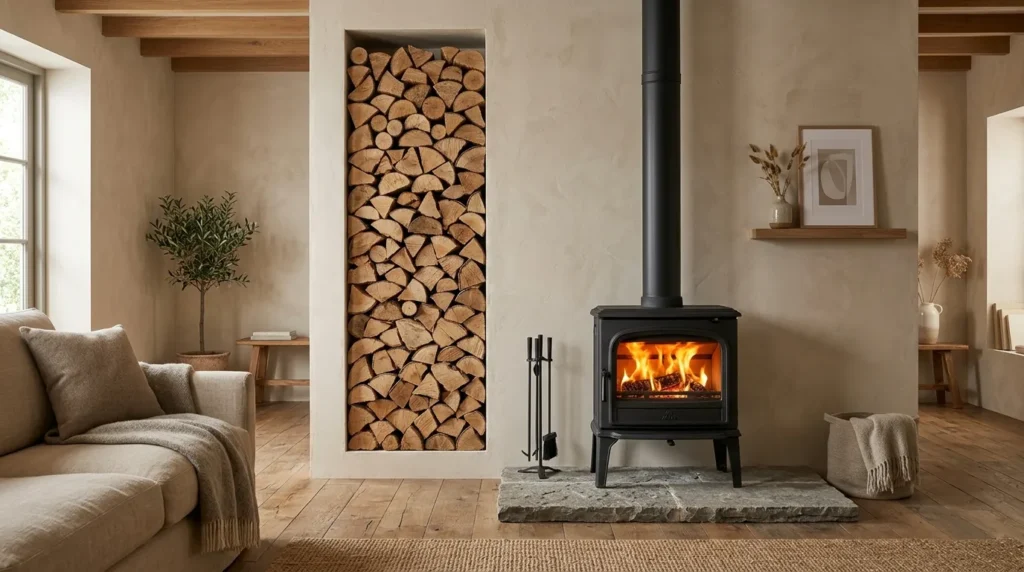
- Built-in wood storage keeps logs close and beautifully displayed. It turns a practical need into a strong design feature.
- Vertical storage works well beside a stove, while horizontal cubbies suit wider walls. Both styles create satisfying visual rhythm.
- Wood tones add warmth, texture, and natural contrast. The stacked logs become part of the room’s seasonal decor.
- Built-ins can be made from stone, plaster, brick, or wood framing with fire-safe planning. Material choice shapes the overall style.
- Keep storage dry, neat, and easy to refill. A beautiful log wall should still support everyday heating routines.
Built-in wood storage makes the stove area feel complete and intentionally designed. Instead of hiding firewood in a garage or loose basket, you create a dedicated place that looks beautiful even when the stove is not burning. I’ve seen this work well in many homes because stacked wood adds texture, pattern, and warmth without extra decoration. A tall side niche feels modern and dramatic, while lower cubbies feel more casual. The design works best when the storage looks neat and easy to access.
The usability improves because firewood stays close during cold evenings. You can bring in a small amount at a time and keep the rest stored outside properly. Built-in storage also reduces clutter because logs have a clear home. Use a metal liner, masonry surround, or carefully planned compartment depending on the location and safety needs. Pair the wood stack with a simple hearth, clean tools, and neutral seating. The result feels practical, architectural, and perfect for cozy homes that value both beauty and function.
6. Cabin Wall
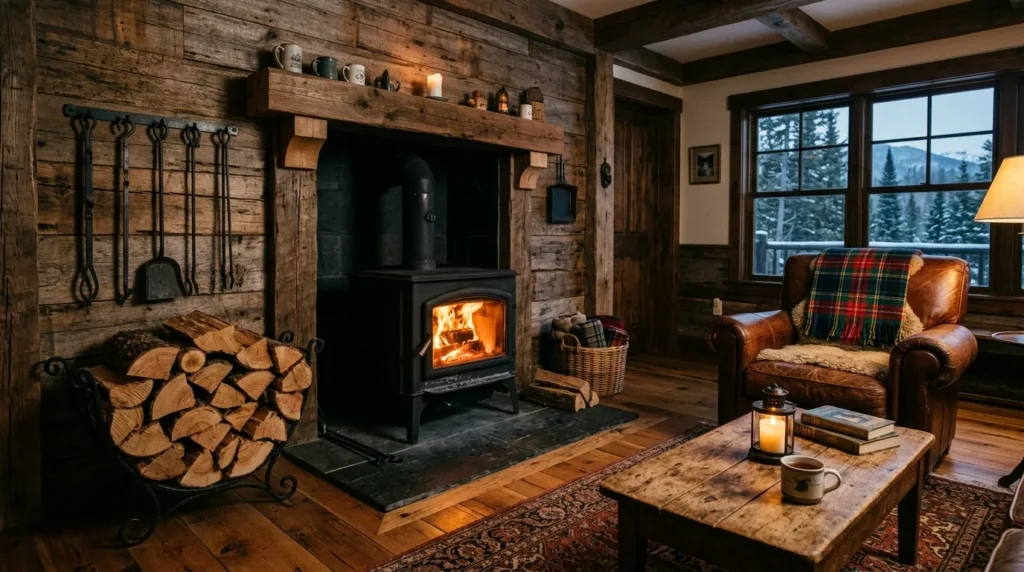
- A cabin wall creates a warm, wood-filled backdrop. It makes the stove area feel rustic, relaxed, and connected to nature.
- Shiplap, tongue-and-groove boards, reclaimed planks, or log-style walls can shape the look. Each material gives a different level of rustic charm.
- Wood walls pair beautifully with black stoves, plaid textiles, leather chairs, and wool throws. The whole room feels layered and inviting.
- A protective noncombustible area may still be needed around the stove. Always balance the cabin look with safe material planning.
- This idea works best in cabins, lake houses, mountain homes, and cozy dens. It brings vacation-style comfort into everyday living.
A cabin wall makes a stove area feel like a retreat, even if the home is in a suburb. Wood paneling adds instant warmth because it covers the wall with natural grain, color variation, and texture. The look can be rugged with reclaimed boards or cleaner with smooth vertical planks. A black stove against a warm wood wall creates the kind of contrast that photographs beautifully for Pinterest. The key is using proper heat-safe materials around the stove while keeping the surrounding style cozy.
The transformation gives the room a stronger sense of place. Add a worn leather chair, plaid throw, iron tool set, and simple side table to complete the cabin feeling. If the room is dark, choose lighter wood or balance the wall with cream textiles. If the room is large, deeper wood tones can make it feel more intimate. This is one of the most atmospheric wood burning stove ideas because it turns the stove wall into a full cozy-home experience.
7. Modern Black
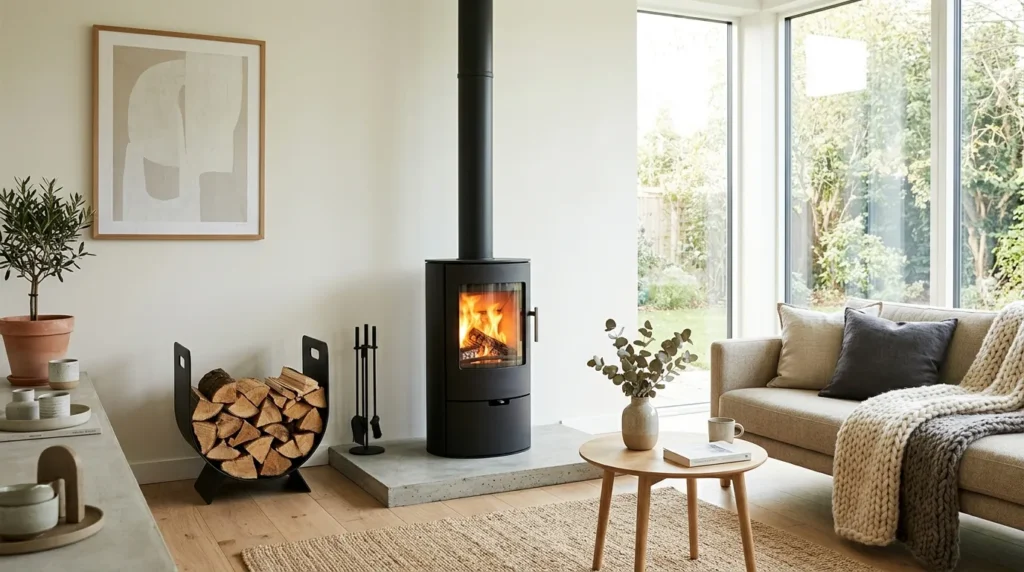
- A modern black setup feels sleek, simple, and dramatic. It works beautifully in contemporary homes that still want warmth.
- Matte black stoves pair well with white walls, concrete floors, light oak, and minimal furniture. The contrast feels clean and intentional.
- Keep accessories limited and sculptural. A slim tool set, simple log holder, and clean hearth line are usually enough.
- This idea works well in open-concept living rooms and modern cabins. It keeps the stove from looking too traditional.
- Use texture carefully to prevent the space from feeling cold. Wool, linen, wood, and stone soften the modern look.
A modern black stove setup proves that cozy design does not need to feel old-fashioned. The clean silhouette, dark finish, and simple surrounding materials create a strong focal point without visual clutter. This style works especially well in newer USA homes where open layouts and neutral palettes are common. A matte black stove against a pale wall feels crisp, while a concrete or slate hearth adds quiet strength. The design succeeds because it respects the stove as both an object and a heat source.
The finished room feels calm, warm, and carefully edited. Choose furniture with simple lines, then soften the area with a textured throw, natural rug placed safely away, and a wood accent table. Avoid too many small decorations because modern styling depends on breathing room. A neat stack of logs can add just enough organic texture. This idea is practical for homeowners who love cozy evenings but prefer a cleaner, more architectural look than traditional rustic interiors usually provide.
8. Farmhouse Mantel
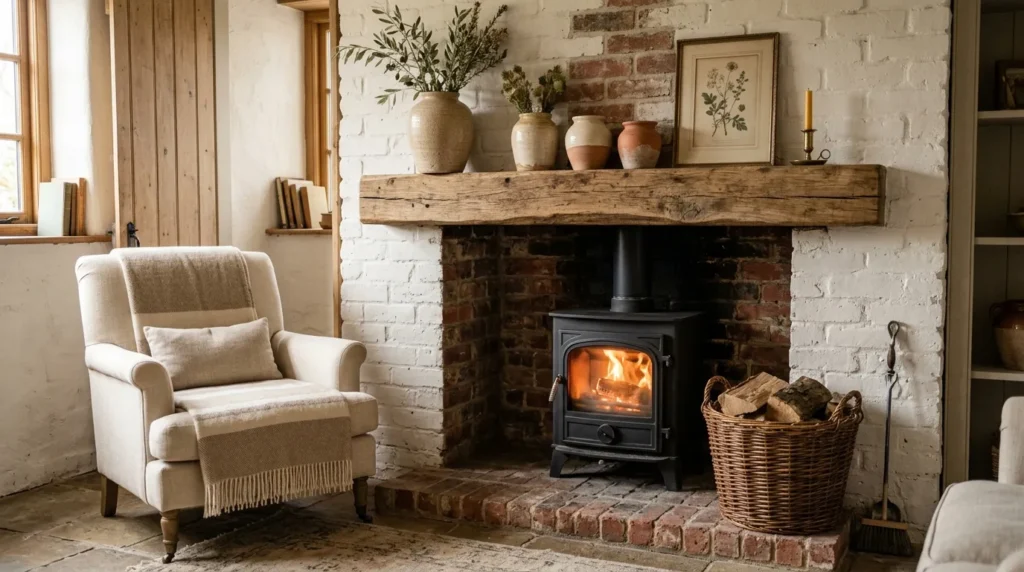
- A farmhouse mantel adds charm above or near the stove area. It creates a natural place for simple seasonal styling.
- Reclaimed wood, chunky beams, and weathered finishes work especially well. These materials give the space a relaxed country feeling.
- Use simple decor like pottery, framed art, greenery, or brass candlesticks. Keep styling balanced and not overly crowded.
- Mantel placement must respect safety clearances. Decorative beauty should never interfere with heat-safe stove installation.
- This idea works well in farmhouse, cottage, and traditional living rooms. It gives the stove wall a cozy, collected look.
A farmhouse mantel can make a stove wall feel finished, familiar, and full of character. Even when the stove sits lower on a hearth, a properly placed mantel or shelf nearby can create a natural visual line across the wall. Reclaimed wood is especially appealing because it brings age, knots, and imperfect texture into the room. In my experience, farmhouse styling works best when it feels collected rather than staged. A few meaningful pieces often look better than a crowded display.
The transformation gives you a seasonal styling zone without changing the whole room. In fall, add dried stems and warm pottery. In winter, use greenery, simple stockings nearby if safe, or framed vintage prints. In spring, lighten the look with ceramic vases and soft colors. Keep all combustible materials at safe distances and follow professional guidance for installation. When done thoughtfully, a farmhouse mantel adds warmth, personality, and a sense of home around the stove without taking away from its practical purpose.
9. Reading Chair
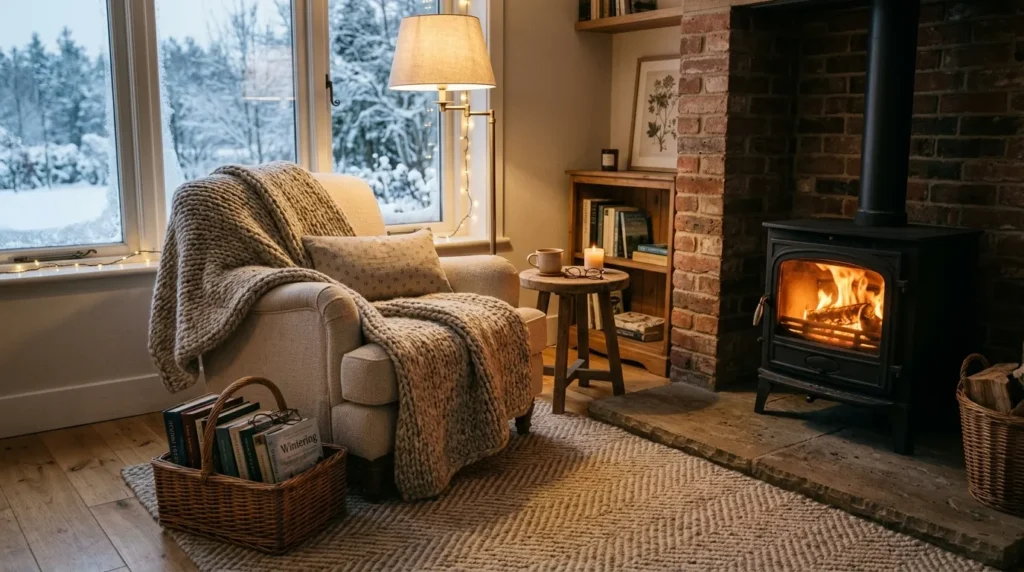
- A reading chair creates a cozy personal retreat beside the stove. It makes the heat feel useful, emotional, and inviting.
- Choose a chair with comfortable upholstery, supportive arms, and a durable fabric. Comfort matters more than decorative perfection.
- Add a side table, lamp, blanket, and book basket. These elements turn the area into a complete everyday nook.
- Keep the chair safely away from the stove based on clearance guidelines. A cozy layout should still allow easy movement.
- This idea works in living rooms, bedrooms, dens, and cabins. It gives the stove area a clear lifestyle purpose.
A reading chair near the stove turns warmth into a daily ritual. Instead of treating the stove as only a heating appliance, you design a place where someone can slow down, read, sip tea, or rest after work. I’ve noticed that homes feel more welcoming when seating is arranged around real habits. A deep armchair, textured throw, and small table can make the area feel personal. The key is giving the chair enough distance so the layout feels safe and comfortable.
The space becomes more usable because it invites people to stay. A floor lamp adds soft evening light, while a small basket can hold books, magazines, or knitting supplies. Choose fabrics that match the room’s mood, such as linen for casual style, leather for rustic warmth, or boucle for a modern cozy feel. Keep pathways open so the chair does not block firewood access. This idea works beautifully for anyone who wants their stove area to feel lived-in, not just decorative.
10. Raised Platform
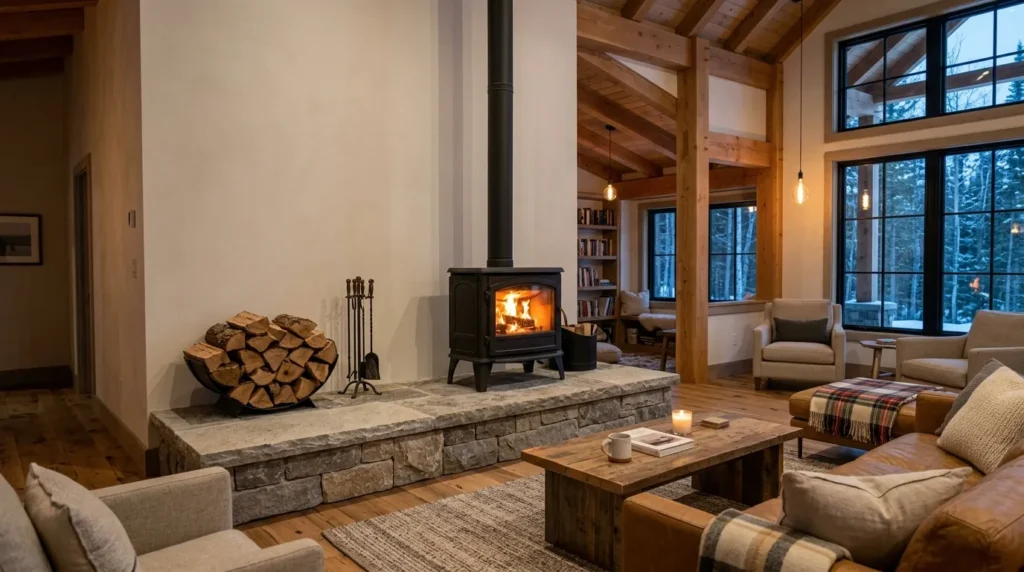
- A raised platform gives the stove extra visual importance. It helps the fire sit higher within the room’s sightline.
- This idea works well in larger rooms where a stove might otherwise feel low or visually small. Height creates stronger presence.
- Stone, tile, concrete, and brick can all create durable platforms. The material should match the home’s style and safety needs.
- A raised base can make loading wood feel easier for some homeowners. It may reduce bending during daily use.
- Keep the platform proportionate to the room. Oversized bases can feel heavy if the surrounding layout is small.
A raised platform makes a stove feel more architectural and easier to notice from across the room. In larger living rooms, a small stove on a flat floor can sometimes disappear, especially when furniture and windows compete for attention. Lifting the stove slightly gives the whole area more presence. That’s why many designers recommend raised hearths for rooms with tall ceilings or open layouts. The platform can be simple and modern or rustic and textured depending on the material.
The transformation feels both stylish and practical when the proportions are right. A raised base can provide a cleaner edge, a stronger focal point, and a more comfortable working height for loading wood. Use stone for rustic warmth, concrete for modern simplicity, or brick for classic character. Keep nearby decor low so the stove remains the main feature. This idea is especially useful when homeowners want the fire to feel central without building a full fireplace surround or oversized wall treatment.
11. Scandinavian Corner
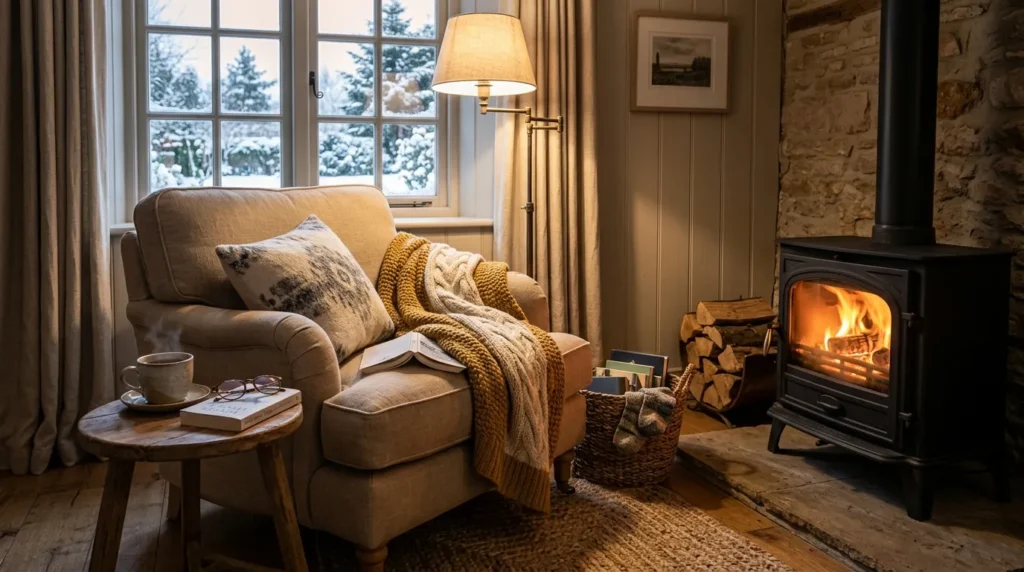
- A Scandinavian corner feels calm, bright, and simple. It uses pale colors, natural textures, and clean lines around the stove.
- White walls, light wood, woven baskets, and soft wool textiles create the look. The style feels cozy without becoming visually heavy.
- This idea works beautifully with compact black or white stoves. The contrast stays gentle when the surrounding palette is soft.
- Keep decor minimal and functional. A basket of logs, one chair, and a warm throw may be enough.
- This setup is ideal for small homes, cabins, and apartments. It makes limited space feel open and peaceful.
A Scandinavian corner brings a lighter kind of coziness to the wood stove area. Instead of deep colors and heavy rustic details, this style uses brightness, simplicity, and texture to create warmth. Pale walls reflect light during darker winter months, while natural wood and woven baskets keep the room from feeling sterile. The stove becomes a clean focal point, not a bulky feature. This approach works especially well in small USA homes where homeowners want comfort without visual clutter.
The final look feels peaceful, practical, and easy to live with. Use a light oak stool, cream wool blanket, simple log basket, and soft neutral rug placed at a safe distance. Keep wall decor minimal so the corner feels open. If the room needs contrast, add black metal tools or a charcoal cushion. This is one of the best wood burning stove ideas for people who love cozy interiors but prefer airy, uncluttered rooms. The mood is quiet, warm, and beautifully balanced.
12. Cottage Alcove
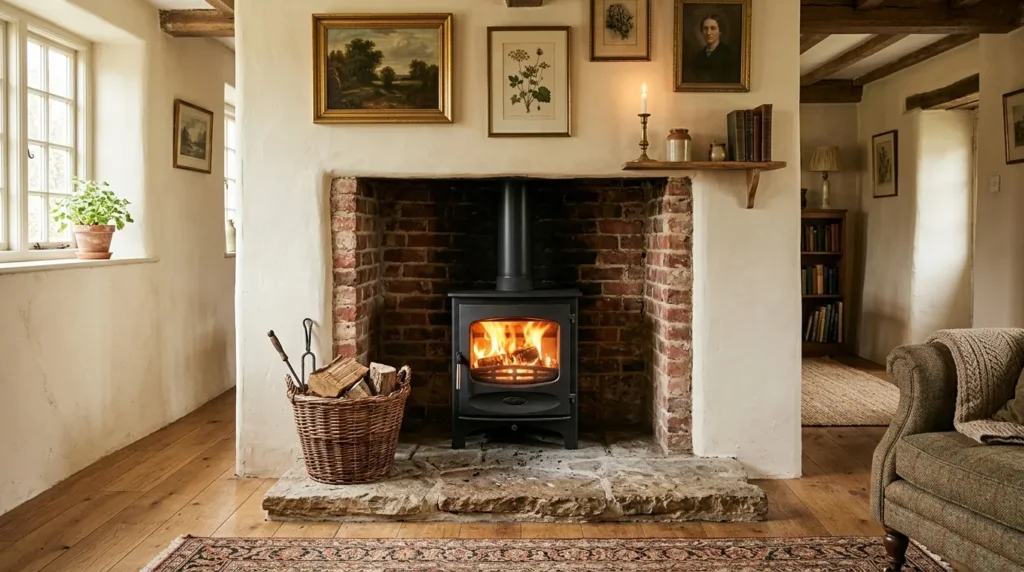
- A cottage alcove creates a charming tucked-away stove moment. It feels intimate, traditional, and full of old-home character.
- Arched openings, plaster walls, brick interiors, or stone surrounds can shape the alcove. These details make the stove feel built-in.
- Soft paint colors, vintage art, and simple pottery enhance the cottage mood. The styling should feel collected and gentle.
- Alcoves work well in older homes, cottages, cabins, and renovated fireplaces. They create a natural frame around the stove.
- Proper ventilation, clearances, and professional installation are especially important. The charm should always be supported by safety.
A cottage alcove makes a wood stove feel like it belongs to the house’s history. The tucked-in shape creates instant charm because the stove appears framed, sheltered, and naturally connected to the wall. Plaster, brick, or stone can all support this feeling, depending on the age and style of the home. I’ve seen this work well in many renovated fireplaces where homeowners want better function while keeping old-world warmth. The alcove gives the stove a story without needing much decoration.
The transformation is especially beautiful in rooms that need softness and character. Add a simple hearth, a small log basket, vintage artwork nearby, and warm neutral paint to make the alcove feel calm. Avoid overfilling the area because the shape already provides visual interest. If the alcove is deep, lighting nearby can help brighten the stove wall during the day. This idea blends comfort, tradition, and practicality, making the room feel cozy enough for winter but stylish enough for year-round living.