11 Small-Space Ideas Designers Actually Use
Designing a small space isn’t about squeezing everything in—it’s about knowing what actually works. The difference between a cramped apartment and a beautifully functional one often comes down to a few smart decisions that professionals use every day. These aren’t complicated or expensive tricks. They’re thoughtful, proven approaches that maximize space while keeping everything stylish…
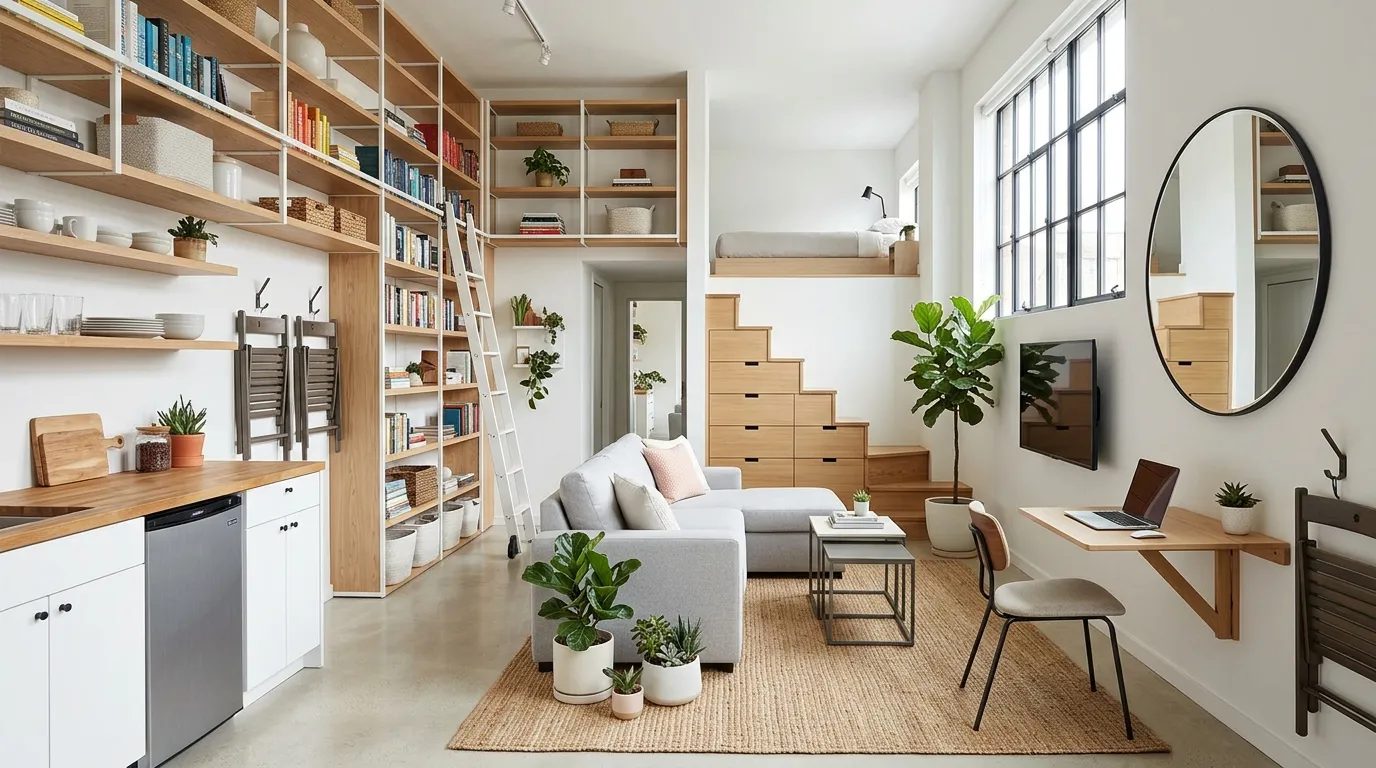
Designing a small space isn’t about squeezing everything in—it’s about knowing what actually works. The difference between a cramped apartment and a beautifully functional one often comes down to a few smart decisions that professionals use every day. These aren’t complicated or expensive tricks. They’re thoughtful, proven approaches that maximize space while keeping everything stylish and comfortable.
Across the USA, more people are living in apartments, studios, and compact homes where every square foot matters. And instead of seeing that as a limitation, designers treat it as an opportunity to create smarter, more intentional spaces. That’s exactly what these Small-Space Ideas are about—practical solutions that make your home feel bigger, lighter, and easier to live in.
In this guide, you’ll find 11 designer-approved ideas that go beyond basic tips. These are real strategies used in modern homes to create flow, openness, and comfort—even in the smallest layouts.
1. Floating Furniture Layout
- Keeps floor space visible
- Creates airy and open feel
- Improves visual flow
- Makes cleaning easier
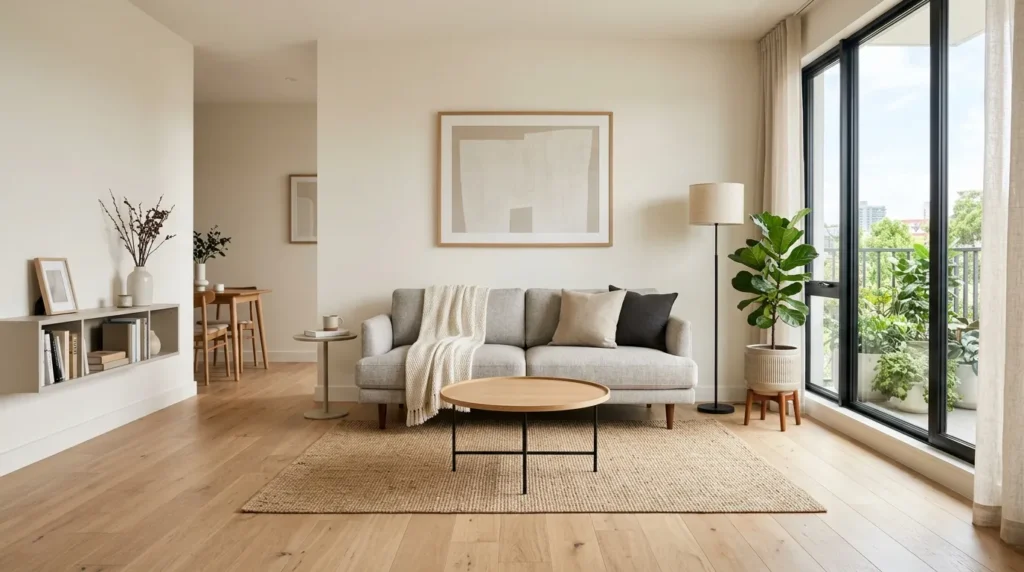
One of the simplest ways to open up a room is by lifting furniture off the floor. Floating pieces like sofas with exposed legs or wall-mounted consoles create visible floor space, which makes the entire room feel larger. In my experience, this small detail can completely shift how open a space feels without changing anything else.
I’ve noticed that when the floor is visible, the room naturally feels less crowded. It creates a sense of lightness and movement that’s hard to achieve with bulky, grounded furniture. This is one of those subtle designer tricks that makes a big impact.
2. Consistent Color Flow
- Uses same tones throughout space
- Reduces visual breaks
- Creates seamless look
- Makes rooms feel connected
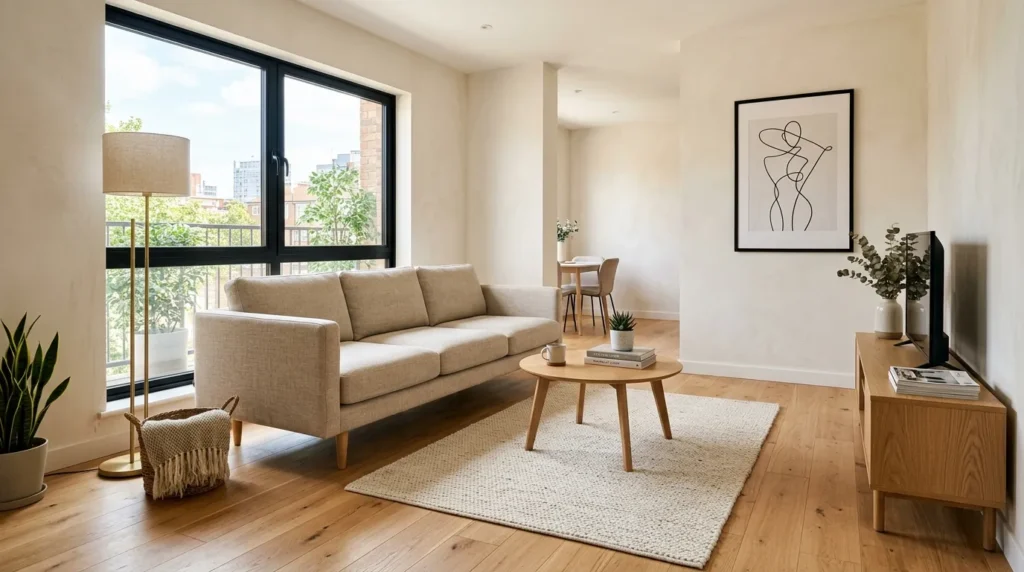
Color continuity is one of the most underrated design strategies. Using similar shades across walls, furniture, and decor removes visual interruptions that can make a space feel smaller. That’s why many designers recommend sticking to a cohesive palette.
In my experience, when colors flow naturally, the room feels calmer and more spacious. I’ve seen this work well in many homes where even different areas feel connected simply because the color scheme stays consistent.
3. Vertical Line Emphasis
- Draws eyes upward
- Makes ceilings feel higher
- Adds visual height
- Works with curtains and decor
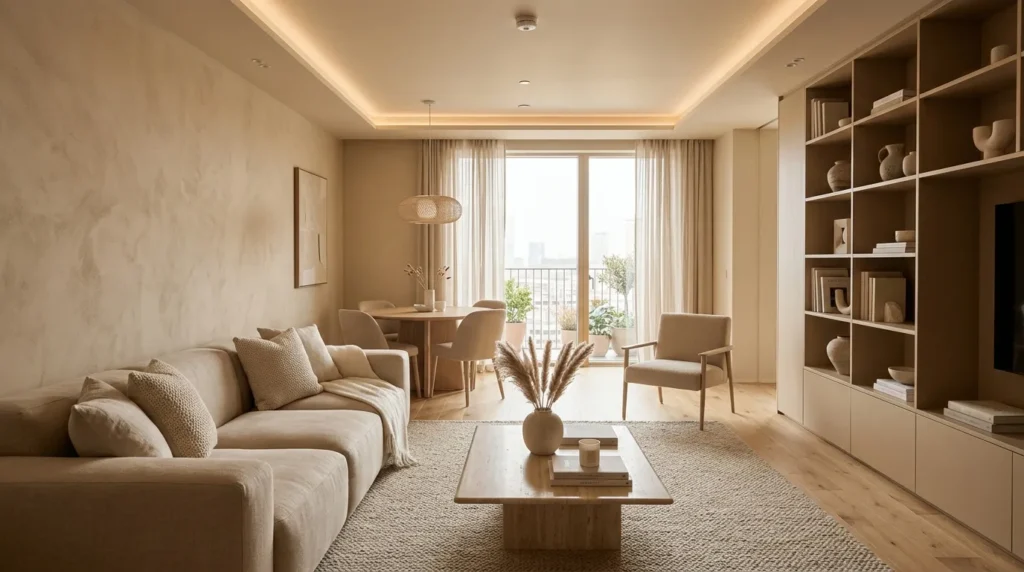
Creating height in a small room can dramatically change how it feels. Vertical lines—whether through curtains, wall panels, or shelving—guide the eye upward, making ceilings appear taller.
I’ve noticed that this trick works almost instantly. In my experience, even hanging curtains closer to the ceiling rather than the window frame can make a huge difference. It’s a simple adjustment that adds elegance while opening up the space visually.
4. Multi-Use Furniture Design
- Combines multiple functions
- Saves valuable space
- Reduces clutter
- Adds flexibility
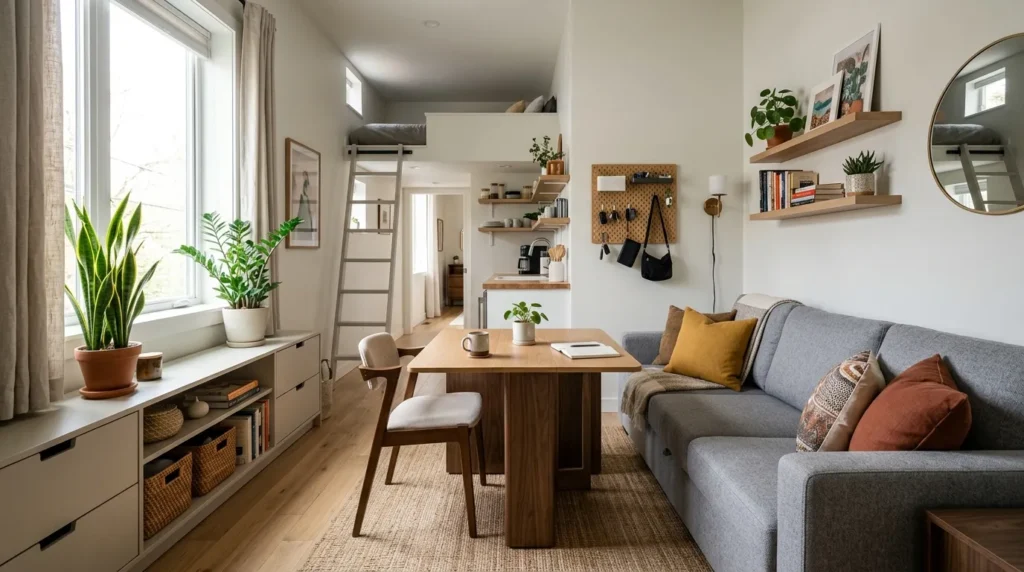
Furniture should work smarter, not harder, in a small space. Pieces that serve more than one purpose—like storage beds or expandable tables—reduce the need for extra items.
In my experience, this approach transforms how a space functions. I’ve seen this work in many homes where one smart piece replaces two or three others. It keeps the layout clean while still meeting everyday needs.
5. Light Layering Technique
- Combines different light sources
- Softens harsh lighting
- Adds depth
- Enhances comfort
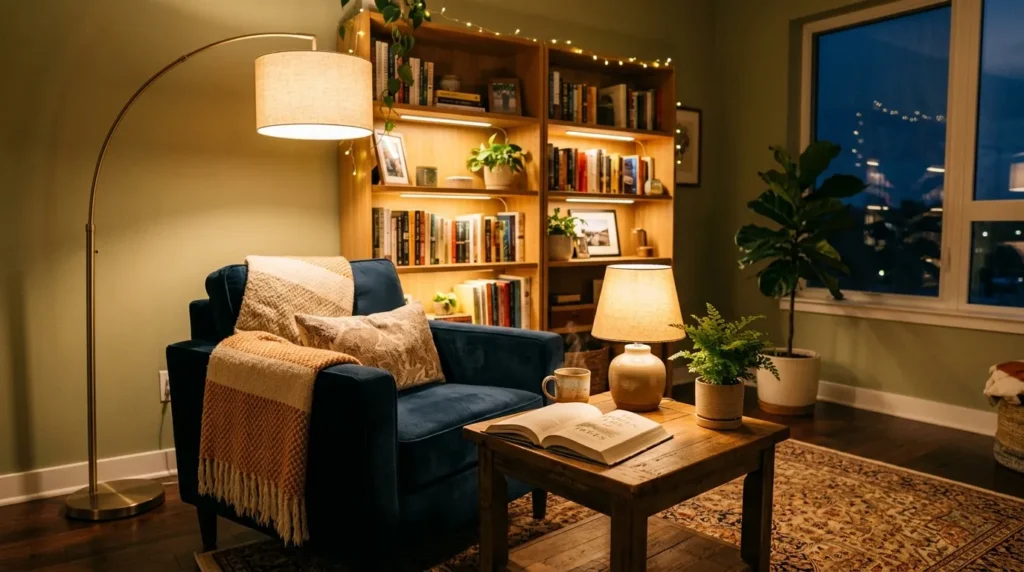
Lighting isn’t just functional—it shapes how a room feels. Layering light with lamps and ambient sources creates depth and warmth. That’s why many designers avoid relying on a single overhead light.
I’ve noticed that layered lighting makes spaces feel more inviting. In my experience, it also highlights textures and materials, adding richness without taking up space. It’s a key element in making small rooms feel complete.
6. Mirror Expansion Placement
- Reflects light and space
- Doubles visual depth
- Brightens room
- Adds design element
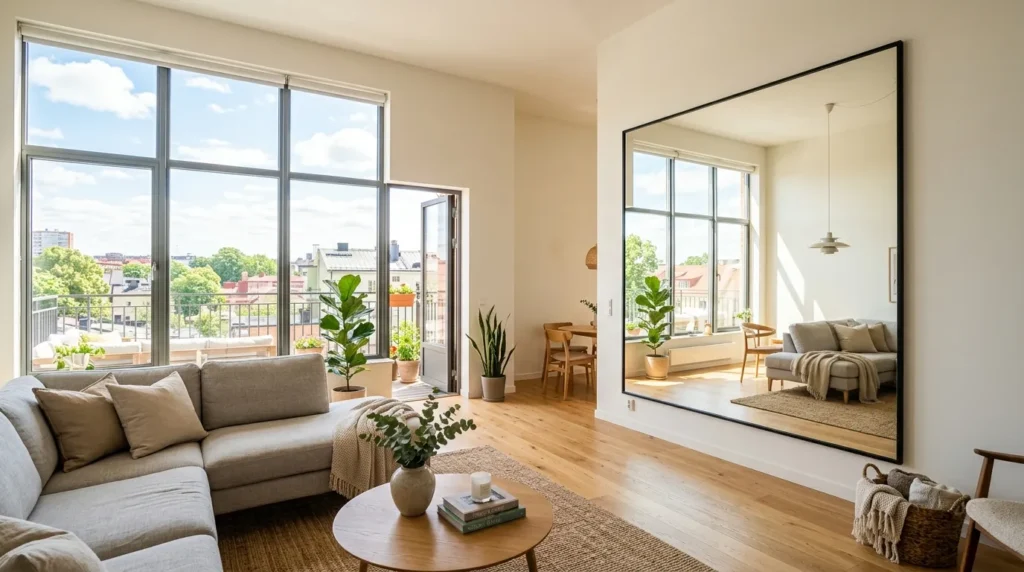
Mirrors are one of the most effective tools for making a space feel larger. Placing them strategically can visually expand a room without any structural changes.
I’ve seen this work beautifully in many homes where a single large mirror transforms the entire layout. In my experience, it’s one of the easiest ways to create openness in compact spaces.
7. Minimal Decor Strategy
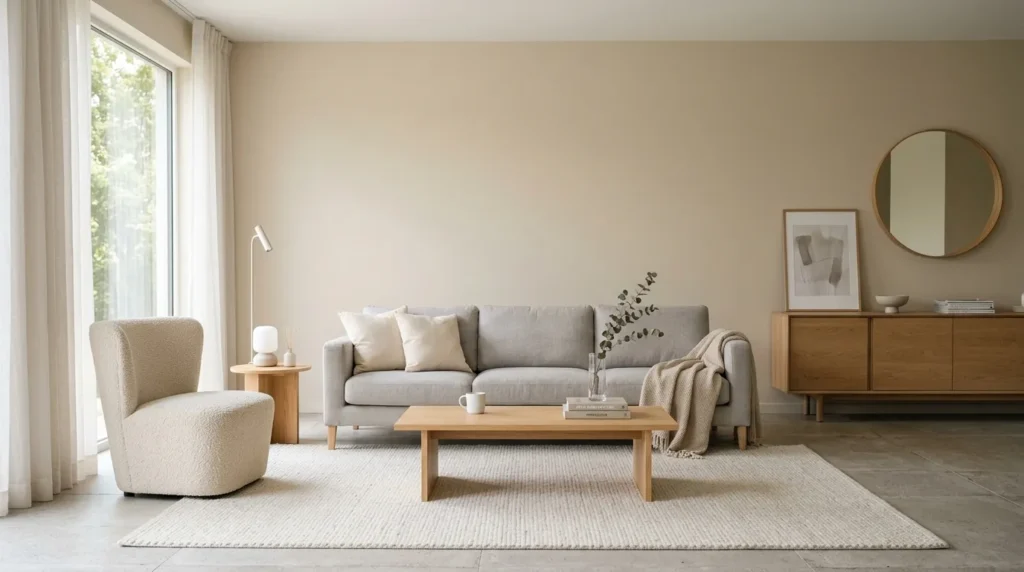
- Reduces clutter
- Highlights key pieces
- Keeps space calm
- Improves focus
Too much decor can overwhelm a small room. Keeping things minimal allows each item to stand out while maintaining a clean look.
In my experience, less decor actually creates more impact. I’ve noticed that carefully chosen pieces make a space feel curated rather than crowded. It’s about quality over quantity.
8. Built-In Storage Solutions
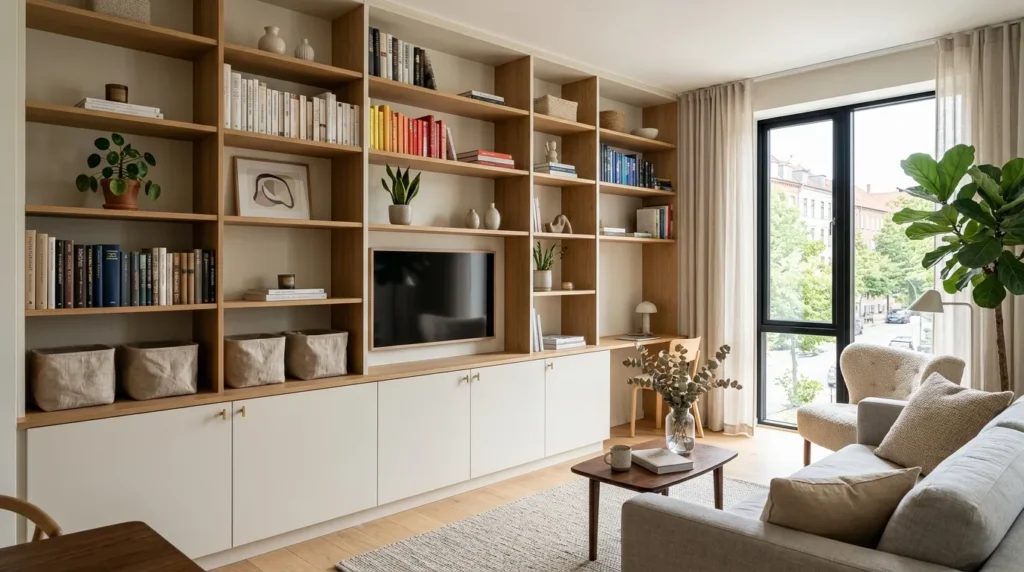
- Maximizes unused areas
- Keeps items organized
- Reduces visible clutter
- Enhances functionality
Built-in storage is one of the most efficient ways to use space. It integrates storage seamlessly into the design without adding bulk.
I’ve seen this work well in many homes where built-ins replace traditional furniture. In my experience, it creates a cleaner and more streamlined look while improving usability.
9. Transparent Furniture Pieces
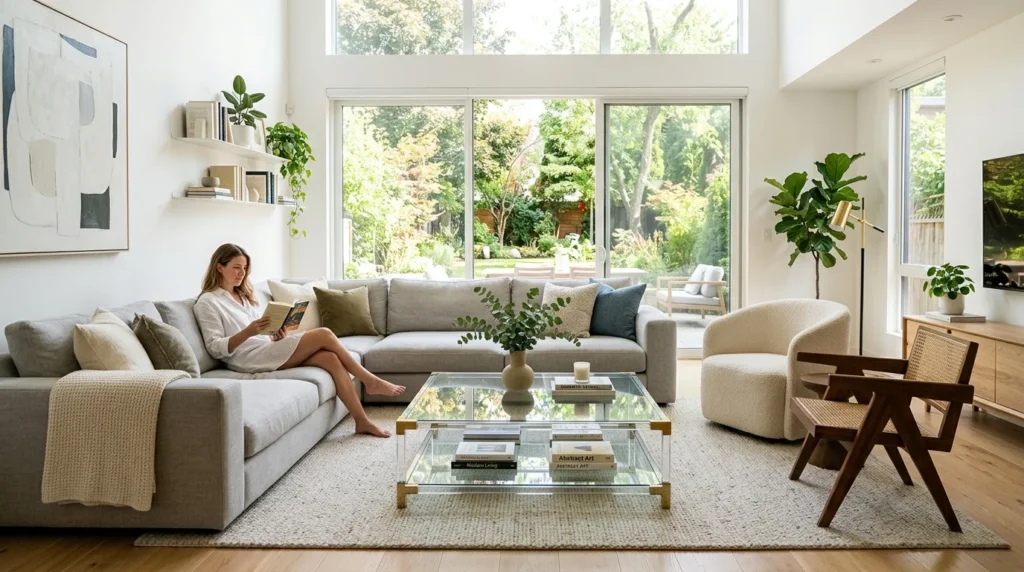
- Reduces visual weight
- Allows light to pass through
- Keeps space open
- Adds modern touch
Glass and acrylic furniture can make a room feel less crowded because they don’t block visual flow. This creates a lighter, more open look.
In my experience, replacing a solid table with a glass one can instantly make a room feel bigger. I’ve noticed that this trick works especially well in tight layouts.
10. Open Layout Zoning
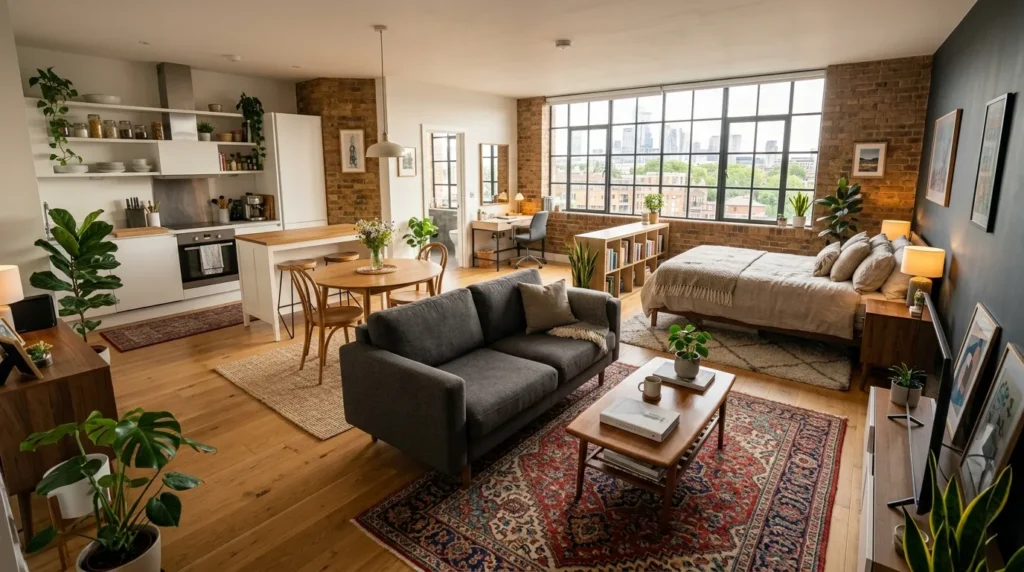
- Defines areas without walls
- Maintains flow
- Uses rugs or lighting
- Keeps space flexible
Small spaces benefit from open layouts, but they still need structure. Zoning different areas with rugs or lighting helps create definition without closing off the space.
I’ve seen this work beautifully in many homes where one room serves multiple purposes. In my experience, it allows you to maintain openness while still organizing your space effectively.
11. Decluttered Surface Styling
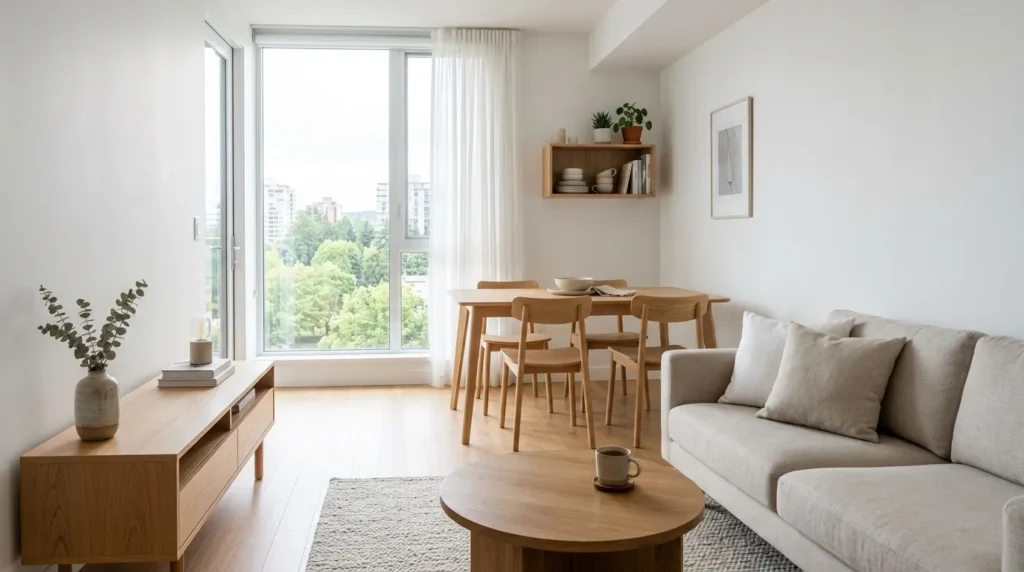
- Keeps surfaces clean
- Reduces visual noise
- Enhances calm atmosphere
- Makes space feel larger
Clutter can shrink a room visually faster than anything else. Keeping surfaces clear helps maintain openness and simplicity.
In my experience, this is one of the most powerful changes you can make. I’ve noticed that even small rooms feel significantly larger when surfaces are clean and organized. It creates a sense of calm that makes the entire space more enjoyable.