10 DIY Trellis Ideas and Designs
A garden trellis is much more than a practical support for climbing plants. It can become a beautiful focal point that adds height, texture, and personality to your outdoor space while helping flowers, vegetables, and vines grow healthier. Whether you have a spacious backyard, a cozy patio, or a compact balcony, a thoughtfully designed trellis…
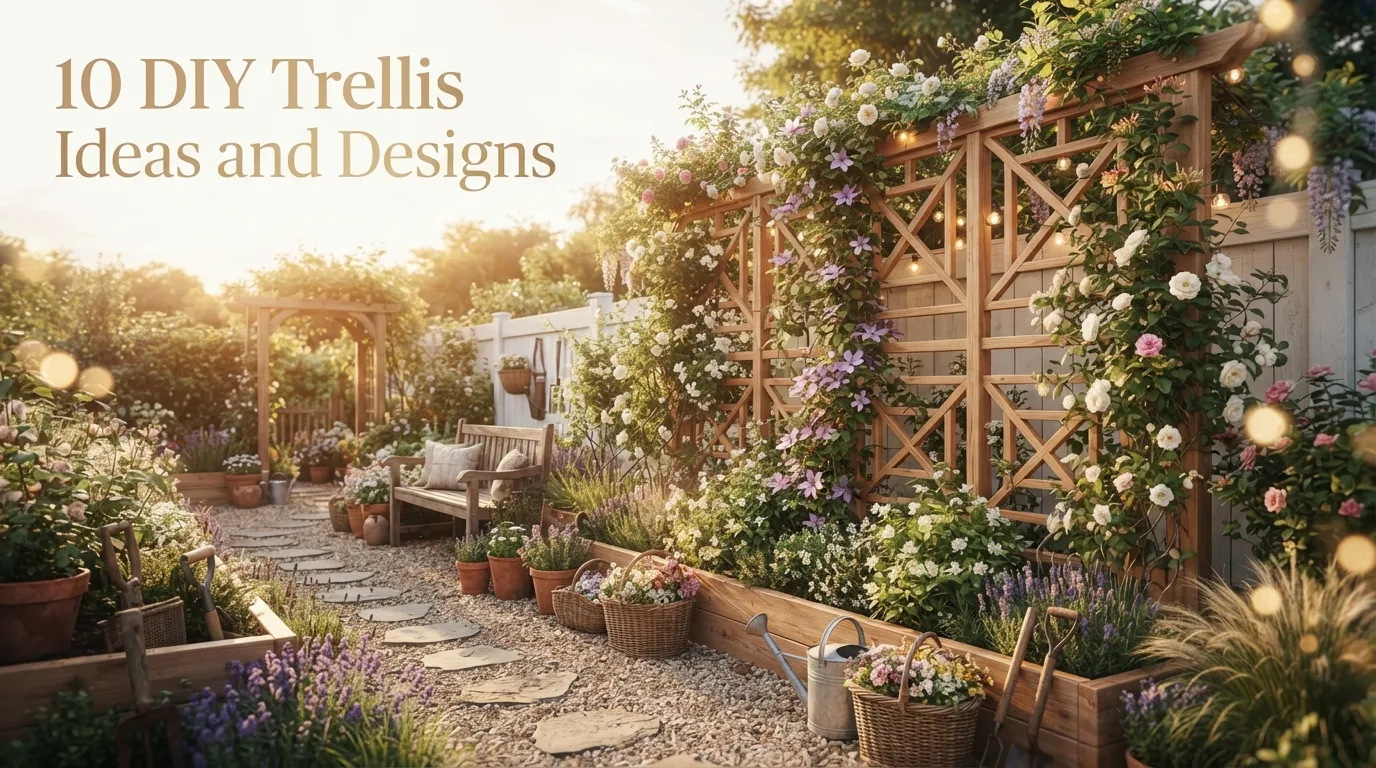
A garden trellis is much more than a practical support for climbing plants. It can become a beautiful focal point that adds height, texture, and personality to your outdoor space while helping flowers, vegetables, and vines grow healthier. Whether you have a spacious backyard, a cozy patio, or a compact balcony, a thoughtfully designed trellis can completely transform the look and functionality of your garden.
One of the best things about DIY trellises is their versatility. You don’t need expensive materials or advanced woodworking skills to create something beautiful. With a little creativity, simple supplies like wood, bamboo, wire panels, or reclaimed materials can be turned into custom garden features that look professionally designed. Many DIY projects can even be completed in a single weekend, making them perfect for homeowners who enjoy affordable outdoor improvements.
I’ve noticed that vertical gardening has become increasingly popular because it helps maximize growing space while adding visual interest. Instead of spreading plants across valuable ground space, trellises encourage upward growth that keeps gardens organized and creates a lush, layered appearance. They also improve air circulation around plants, making many flowers and vegetables easier to maintain.
Whether you’re growing climbing roses, clematis, cucumbers, beans, or jasmine, these DIY trellis ideas combine beauty with function. Each design offers practical inspiration that can be adapted to different garden sizes and decorating styles, helping you create an outdoor space that’s both productive and visually stunning.
Table of Contents
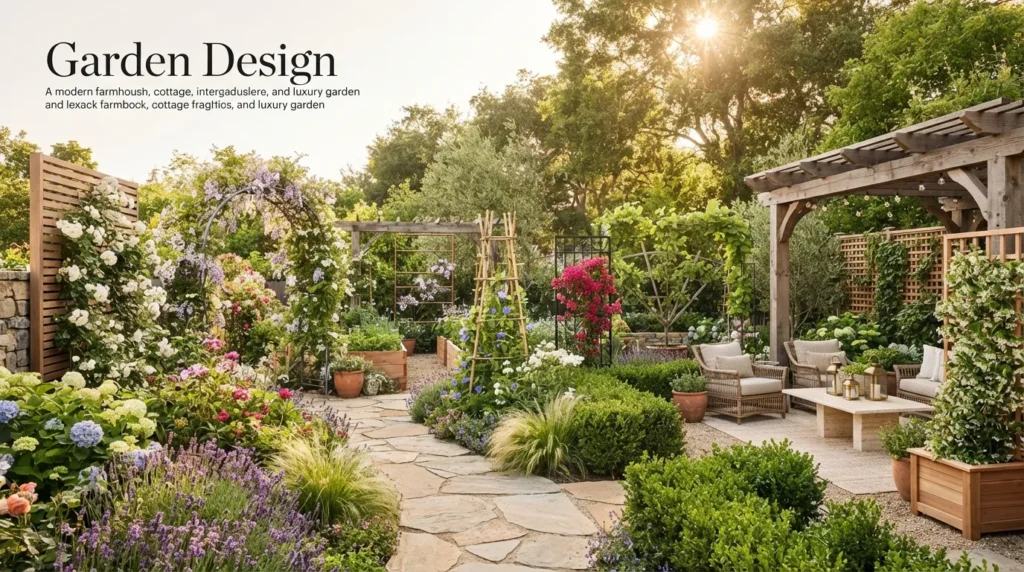
- Wooden Lattice Trellis
Create a timeless garden feature with classic lattice panels. - Bamboo Garden Frame
Build an affordable natural trellis using bamboo poles. - Cattle Panel Arch
Add dramatic height with a sturdy garden arch. - Rope Wall Trellis
Design a modern vertical support using durable rope. - Reclaimed Wood Design
Repurpose old lumber into rustic garden décor. - Wire Grid Trellis
- Obelisk Plant Tower
- Ladder Garden Trellis
- Pergola Side Panel
- Modern Metal Frame
1. Wooden Lattice Trellis
Quick Benefits
- Easy to build
- Supports climbing plants
- Adds timeless charm
- Works in most gardens
- Budget-friendly project
Why It Works
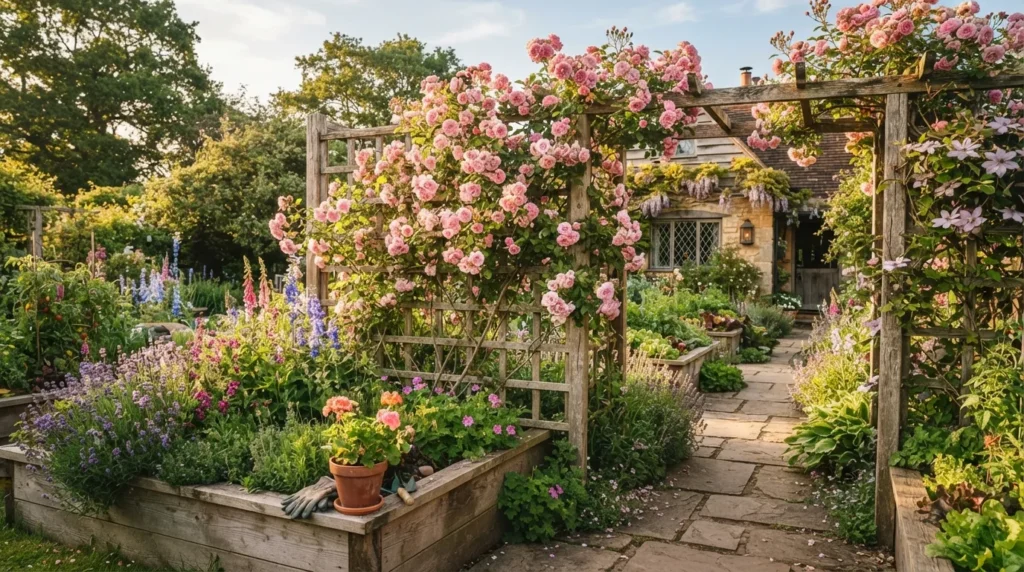
Wooden lattice remains one of the most popular trellis designs because it’s attractive, versatile, and suitable for countless climbing plants. The evenly spaced pattern provides plenty of support while allowing vines to spread naturally as they grow. It also creates visual interest even during seasons when plants aren’t in bloom.
I’ve seen wooden lattice instantly improve plain fences and empty walls by introducing texture and vertical dimension. Whether painted white for a cottage garden or stained for a rustic landscape, it blends beautifully into almost every outdoor setting while providing years of reliable support.
How To Style It
Build the frame using pressure-treated lumber and attach a pre-made lattice panel with galvanized screws. Secure the structure firmly to a wall, fence, or garden bed for stability.
Surround the base with flowering perennials, mulch, and decorative stones. Climbing roses, jasmine, and clematis pair beautifully with natural wood finishes to create a charming cottage-inspired garden.
2. Bamboo Garden Frame
Quick Benefits
- Affordable materials
- Eco-friendly design
- Lightweight structure
- Great for vegetables
- Quick weekend project
Why It Works
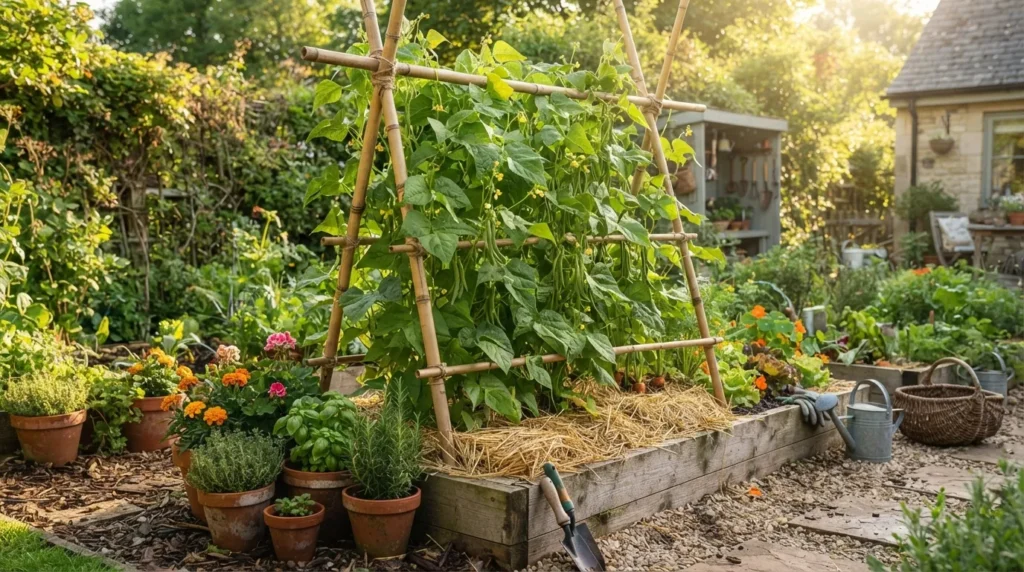
Bamboo is naturally strong, weather-resistant, and easy to work with, making it one of the best materials for beginner-friendly DIY trellises. Its slim profile blends seamlessly into the garden while providing excellent support for beans, peas, cucumbers, and flowering vines.
One thing that works especially well is using bamboo to create teepee or fan-shaped structures. These designs maximize growing space while adding a natural handcrafted look that complements vegetable gardens and raised beds.
How To Style It
Tie bamboo poles together with durable garden twine or outdoor rope, securing each joint tightly. Position the structure where plants receive adequate sunlight and enough room to climb.
Finish the garden bed with straw mulch, terracotta pots, and flowering companion plants to create a relaxed, organic atmosphere.
3. Cattle Panel Arch
Quick Benefits
- Extremely durable
- Creates dramatic height
- Perfect for vegetables
- Adds architectural interest
- Maximizes vertical growing
Why It Works
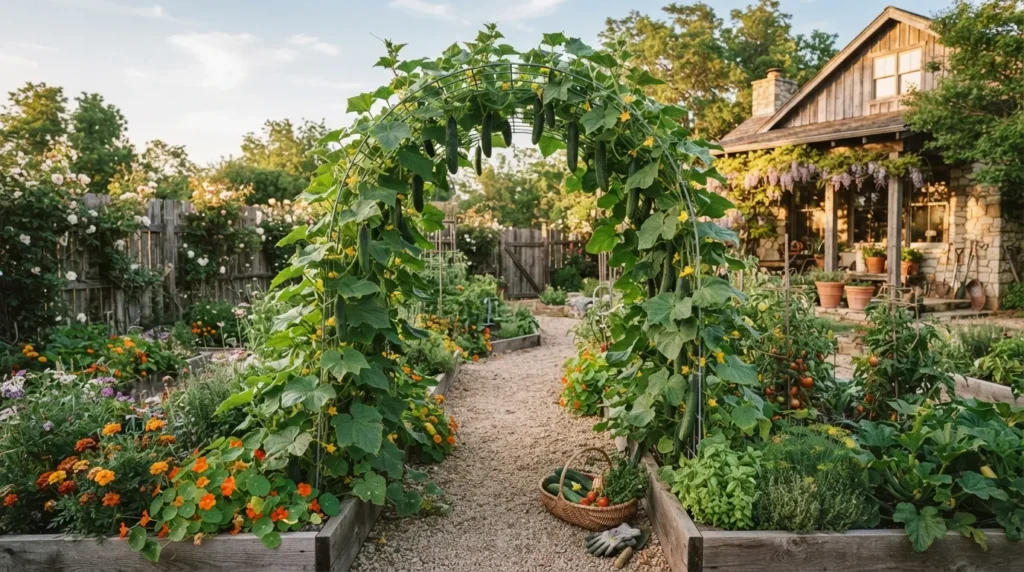
Cattle panels may be designed for agricultural use, but they have become a favorite among gardeners because of their incredible strength and versatility. Bent into an arch, they create an impressive walkway that supports heavy climbing vegetables like squash, cucumbers, and gourds while also working beautifully with flowering vines.
In my experience, few DIY garden projects make such an immediate visual impact. The curved structure creates depth, encourages vertical growth, and becomes a stunning focal point as plants mature throughout the season.
How To Style It
Secure each side of the cattle panel with sturdy metal stakes or wooden posts. Plant climbing vegetables or flowering vines evenly along both sides to create balanced growth.
Complete the area with gravel pathways, raised beds, and rustic wooden edging for a productive yet beautiful garden design.
4. Rope Wall Trellis
Quick Benefits
- Modern appearance
- Minimal materials
- Saves space
- Ideal for patios
- Easy to customize
Why It Works
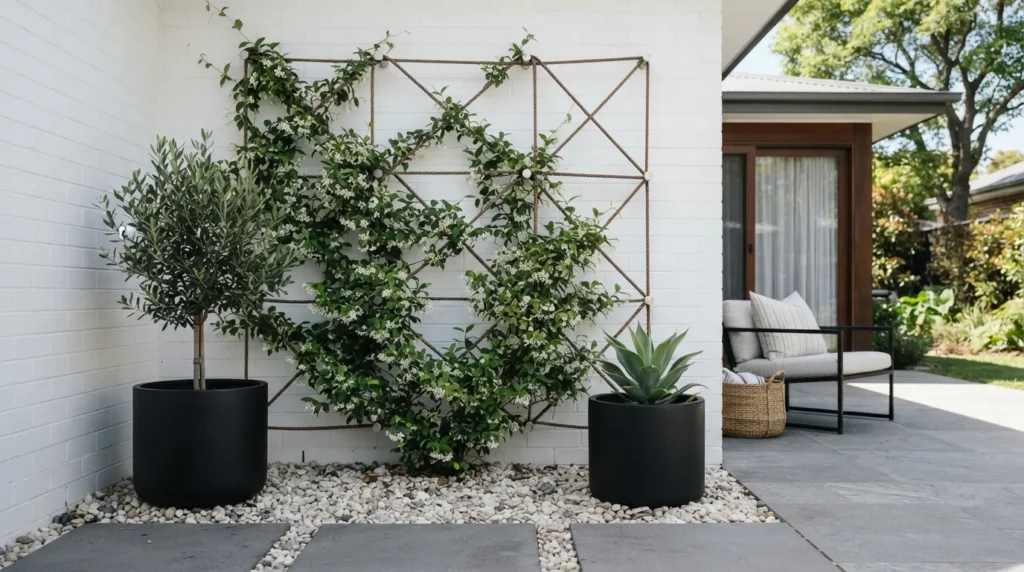
A rope trellis offers a clean contemporary alternative to traditional wooden structures. Durable outdoor rope arranged in geometric patterns provides flexible support for lightweight climbing plants while creating striking visual interest against fences or exterior walls.
I’ve noticed that rope trellises work especially well in modern gardens because they feel light and airy rather than bulky. The simple design also allows plants to become the primary decorative feature as they weave naturally through the pattern.
How To Style It
Attach weather-resistant hooks securely to a wall or wooden frame before weaving heavy-duty outdoor rope into your preferred design. Keep spacing even to encourage healthy climbing growth.
Combine the trellis with minimalist planters, gravel, and architectural greenery for a sophisticated outdoor space.
5. Reclaimed Wood Design
Quick Benefits
- Sustainable project
- Rustic character
- Budget-friendly
- Unique appearance
- Easy to personalize
Why It Works
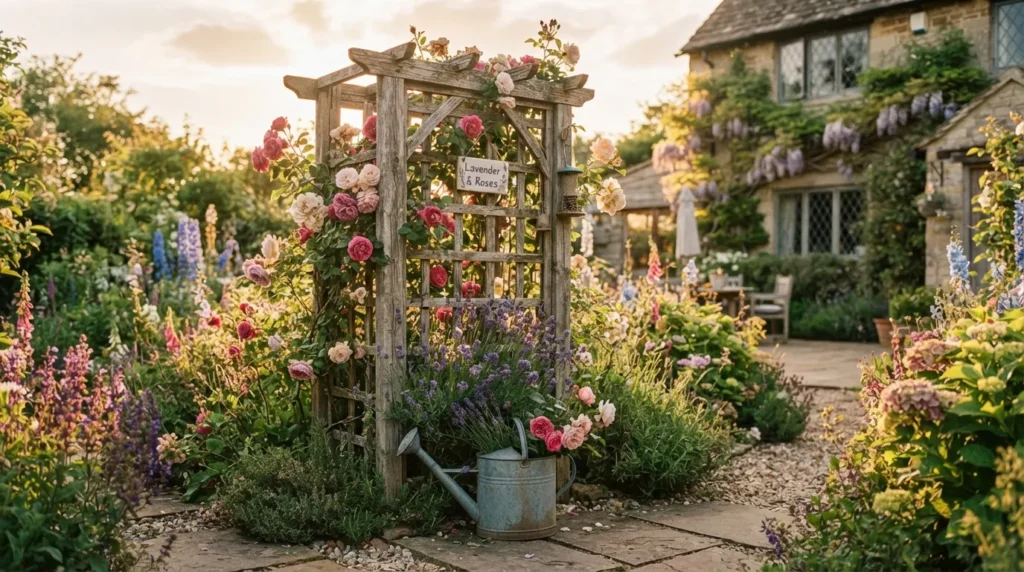
Reclaimed wood brings warmth and personality to the garden while reducing material waste. Every board has its own texture, weathering, and imperfections, giving the finished trellis a one-of-a-kind appearance that can’t be replicated with new lumber.
That’s why many gardeners love reclaimed wood projects—they combine sustainability with timeless rustic charm. Whether attached to raised beds or positioned against a fence, these trellises add character even before plants begin climbing.
How To Style It
Use reclaimed fence boards, pallet wood, or salvaged lumber to build a simple frame with evenly spaced cross supports. Sand rough edges while preserving the wood’s natural weathered finish.
Surround the trellis with lavender, ornamental grasses, and climbing roses for a relaxed cottage garden aesthetic.
6. Wire Grid Trellis
Quick Benefits
- Strong plant support
- Modern minimalist look
- Easy to install
- Ideal for vegetables
- Long-lasting durability
Why It Works
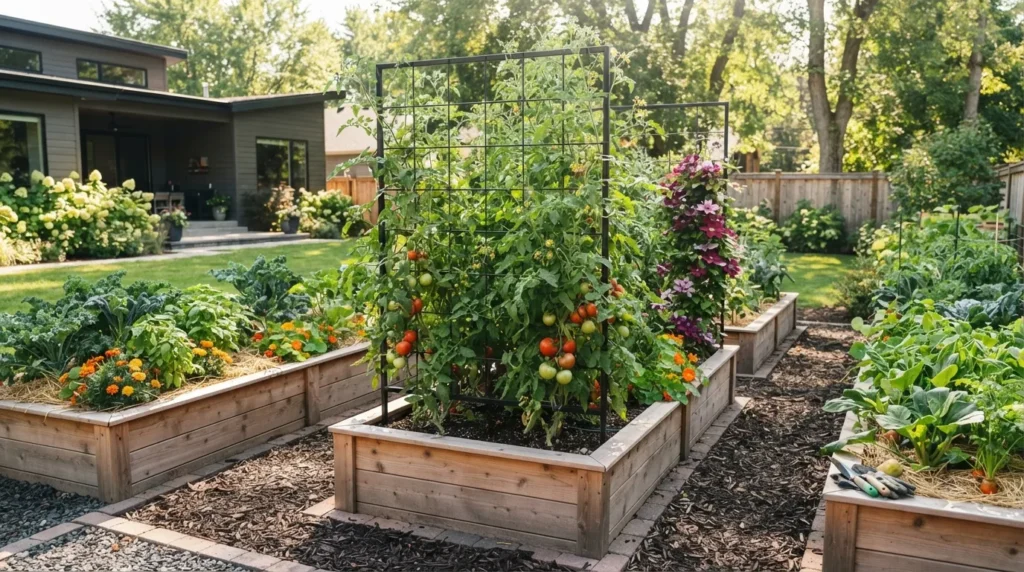
Wire grid trellises are an excellent choice for gardeners looking for a clean, functional design that can support a wide variety of climbing plants. The evenly spaced grid provides countless attachment points, making it easy for vegetables, flowering vines, and fruit-bearing plants to grow upward naturally. Its open design also improves airflow and sunlight exposure, encouraging healthier growth while reducing the risk of common plant diseases.
I’ve found that wire grids blend beautifully into the background as plants mature, allowing the greenery and flowers to become the main focal point. They’re also incredibly durable, making them a worthwhile investment for long-term garden projects.
How To Style It
Attach galvanized wire panels to sturdy wooden posts or a fence using outdoor-rated hardware. Leave enough space between the panel and the wall to allow vines to weave naturally through the openings.
Complete the garden bed with cedar mulch, decorative stone edging, and flowering companion plants for a neat, professionally designed appearance.
7. Obelisk Plant Tower
Quick Benefits
- Adds vertical height
- Creates a garden focal point
- Supports heavy climbers
- Fits small spaces
- Elegant timeless design
Why It Works
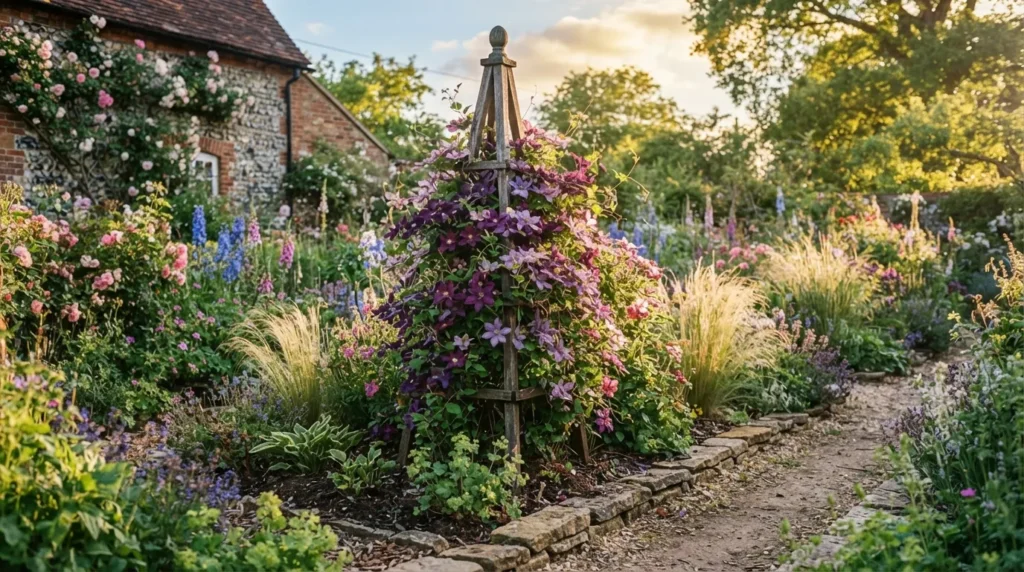
An obelisk trellis introduces architectural interest while providing strong support for climbing flowers and vegetables. Its tall, narrow shape makes it ideal for compact gardens because it encourages upward growth without taking up much ground space. The structure remains attractive throughout every season, even when plants are dormant.
One simple trick I always suggest is placing an obelisk in the center of a flower bed. This creates an eye-catching focal point while allowing surrounding plants to frame the structure beautifully as they grow.
How To Style It
Build the obelisk using pressure-treated wood or metal rods connected with decorative cross braces. Secure the base firmly into the soil to prevent movement during windy weather.
Plant sweet peas, clematis, black-eyed Susan vine, or climbing roses around the base and finish with mulch and low-growing perennials for a layered landscape.
8. Ladder Garden Trellis
Quick Benefits
- Beginner-friendly project
- Rustic farmhouse style
- Easy to move
- Great for containers
- Versatile garden use
Why It Works
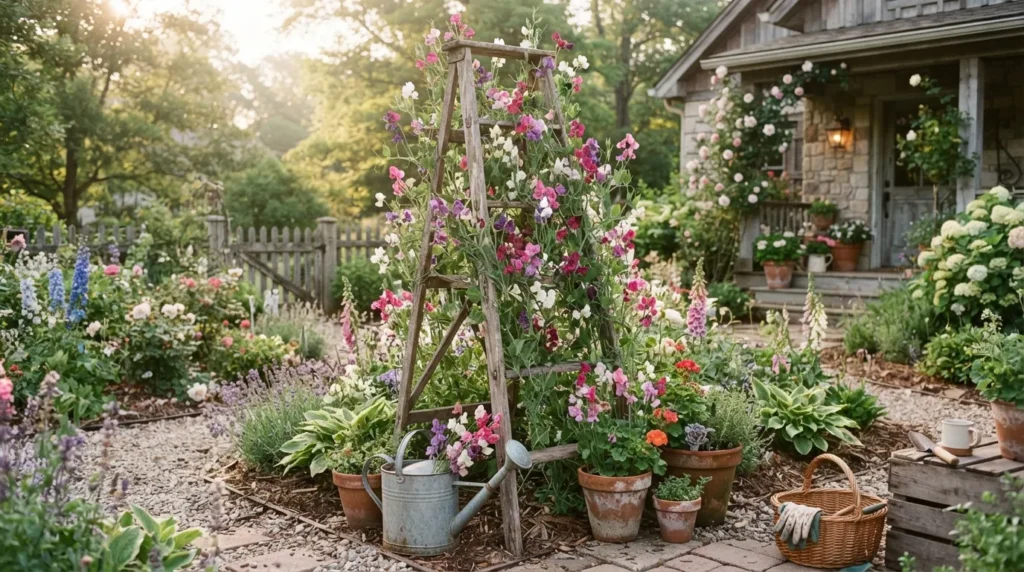
An old wooden ladder can be repurposed into a charming garden trellis with very little effort. The evenly spaced rungs naturally support climbing plants while adding rustic character to flower beds, vegetable gardens, or patio containers. It’s an excellent option for gardeners who enjoy creative upcycling projects.
I’ve noticed that vintage ladders pair especially well with cottage-style gardens because their weathered finish adds instant charm. They also provide flexibility since they can easily be moved to different areas as your garden changes.
How To Style It
Sand and seal the ladder if necessary, then lean it securely against a wall, fence, or sturdy support. Position climbing plants at the base and gently guide new growth toward the rungs.
Decorate the surrounding area with galvanized watering cans, terracotta pots, and colorful annual flowers to enhance the rustic farmhouse aesthetic.
9. Pergola Side Panel
Quick Benefits
- Expands growing space
- Creates privacy
- Enhances outdoor structures
- Supports flowering vines
- Adds architectural beauty
Why It Works
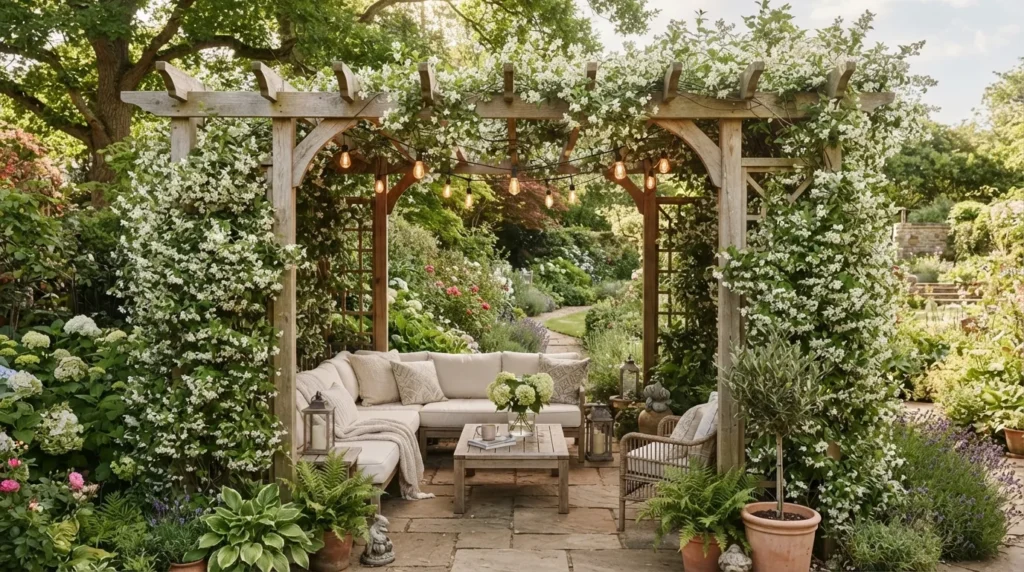
Adding trellis panels to the sides of a pergola creates additional growing space while increasing privacy and shade. Flowering vines soften the hard lines of the structure and create a lush outdoor room that’s perfect for relaxing or entertaining. As the plants mature, they naturally filter sunlight and make the area feel cooler during warm weather.
That’s why many landscape designers recommend combining pergolas with climbing plants instead of leaving the structure bare. The result is both functional and visually stunning throughout the growing season.
How To Style It
Attach wooden lattice or metal trellis panels securely to the pergola sides using weather-resistant screws. Plant wisteria, jasmine, climbing hydrangea, or roses nearby to encourage lush vertical growth.
Complete the space with outdoor seating, string lights, neutral cushions, and decorative planters for a cozy backyard retreat.
10. Modern Metal Frame
Quick Benefits
- Sleek contemporary design
- Extremely durable
- Low maintenance
- Supports large plants
- Long-lasting investment
Why It Works
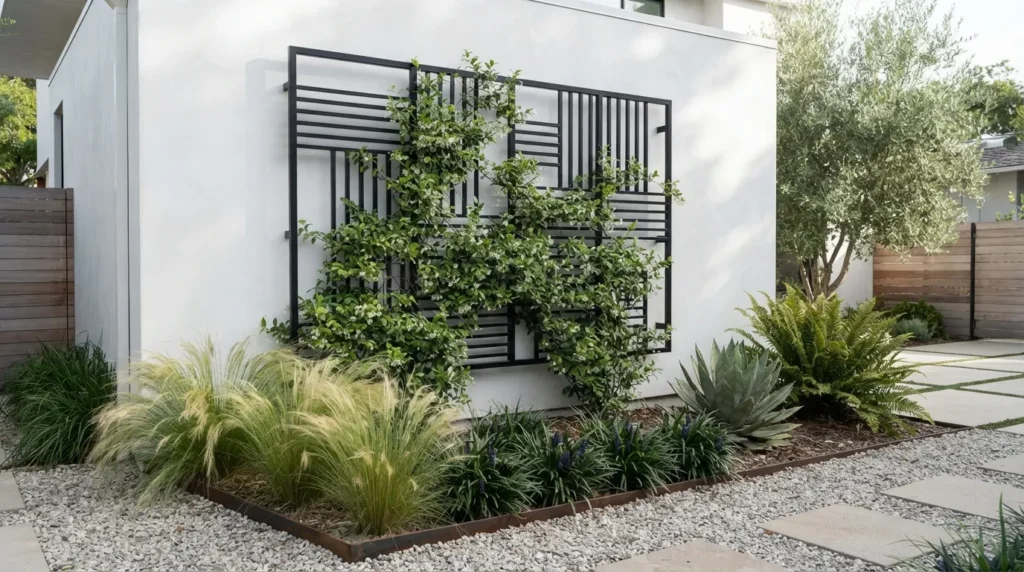
Modern metal trellises combine strength with clean architectural lines, making them perfect for contemporary landscapes. Powder-coated steel or aluminum frames resist weather, require minimal maintenance, and provide sturdy support for everything from flowering vines to edible climbing plants.
In my experience, metal trellises work especially well in modern homes because they create bold vertical accents without competing with surrounding landscaping. Their simple geometry allows plants to take center stage while maintaining a sophisticated appearance year-round.
How To Style It
Choose matte black or charcoal powder-coated metal frames for a timeless contemporary look. Position the trellis against light-colored walls or fences to create strong visual contrast.
Surround the base with ornamental grasses, white flowers, decorative gravel, and minimalist planters for a clean, elegant garden design.
Frequently Asked Questions
What is the easiest DIY trellis to build?
A bamboo trellis is one of the easiest projects for beginners. It requires only bamboo poles, garden twine, and a few simple knots while providing excellent support for climbing vegetables and flowers.
What wood is best for outdoor trellises?
Pressure-treated lumber, cedar, and redwood are excellent choices because they naturally resist moisture, insects, and outdoor weather conditions, making them durable for long-term garden use.
Can I build a trellis without woodworking experience?
Yes. Many DIY trellises use simple materials like bamboo, rope, wire panels, or reclaimed ladders that require minimal tools and basic assembly skills.
Which climbing plants grow best on a trellis?
Popular choices include climbing roses, clematis, jasmine, honeysuckle, sweet peas, cucumbers, beans, tomatoes, peas, and morning glories depending on your growing zone.
How tall should a garden trellis be?
Most garden trellises range between 5 and 8 feet tall, although vegetable gardens often use shorter structures while decorative arches and pergolas can be considerably taller.
How do I secure a trellis?
Use sturdy wooden posts, metal stakes, or wall anchors depending on the design. Proper installation ensures the structure remains stable as plants become heavier throughout the growing season.
Conclusion
A DIY trellis is one of the most rewarding garden projects because it combines beauty, functionality, and creativity in a single weekend project. Whether you choose rustic reclaimed wood, natural bamboo, modern metal, or a dramatic cattle panel arch, each design helps maximize growing space while adding lasting visual appeal to your landscape.
The best trellis designs don’t just support plants—they enhance the entire garden by introducing height, texture, and architectural interest. From compact balconies to spacious backyards, vertical gardening creates opportunities to grow more while making outdoor spaces feel thoughtfully designed.
Start with a project that fits your garden size, budget, and skill level. As climbing plants mature and cover the structure with vibrant foliage and blooms, your DIY trellis will become a beautiful focal point that you’ll enjoy season after season.
Related Articles
- 10 DIY Garden Projects for Weekend Makeovers
- 10 Raised Garden Bed Ideas
- 10 Small Backyard Garden Ideas
- 10 Outdoor Privacy Screen Ideas
- 10 Flower Bed Border Ideas