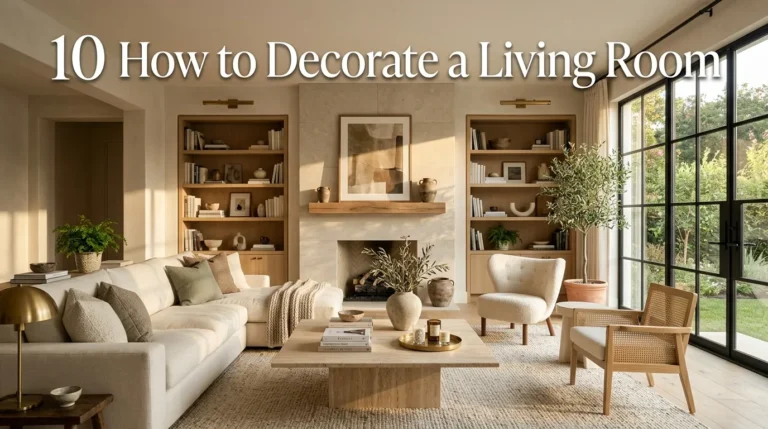
10 Tiny Entryways With Major Curb Appeal
First impressions matter, and in home design, your entryway is the first thing visitors see. A tiny entryway, while small in size, can have a big impact on the overall aesthetic and feel of your home. Whether it’s the functional space where you slip off your shoes or the spot where you hang your coat,…

First impressions matter, and in home design, your entryway is the first thing visitors see. A tiny entryway, while small in size, can have a big impact on the overall aesthetic and feel of your home. Whether it’s the functional space where you slip off your shoes or the spot where you hang your coat, the entryway serves as a preview of the style and charm of the rest of your home. If you have a tiny entryway, don’t let its size hold you back. In this post, we’ll explore 10 creative ways to transform your small entryway into a charming and functional space with major curb appeal. Get ready to maximize every inch and leave a lasting impression.
1. Bold Accent Walls
- Adds drama and focal points.
- Easy to achieve with paint or wallpaper.
- Works well in narrow or compact spaces.
- Can reflect your home’s personality.
- Can be updated seasonally for variety.
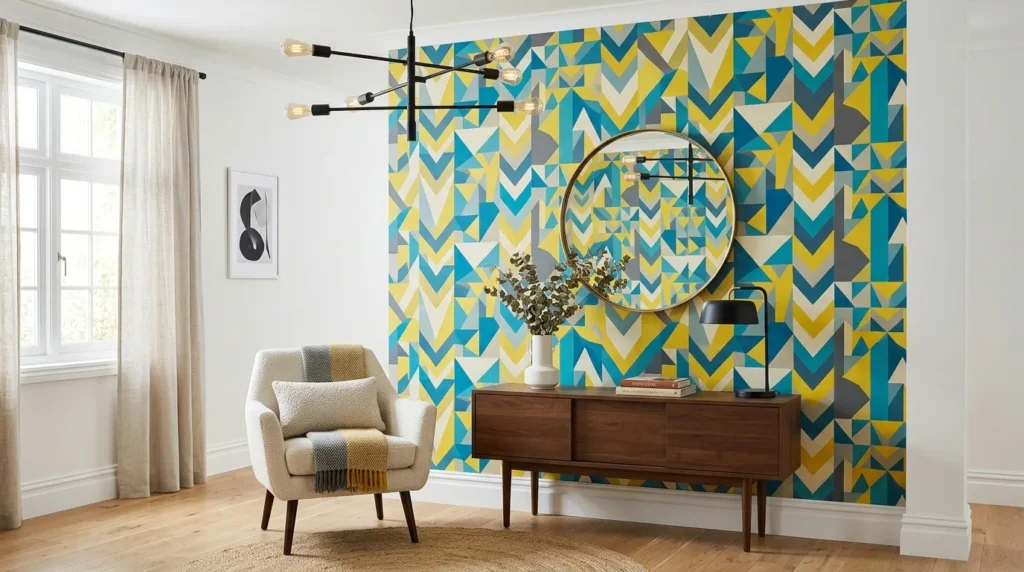
One of the most effective ways to make a tiny entryway stand out is with a bold accent wall. This simple yet striking design choice can immediately grab attention and set the tone for your entire home. Whether you use a vibrant color, a unique wallpaper pattern, or even textured materials like wood or brick, an accent wall adds depth and character to a small space. In my experience, creating a focal point in a tiny entryway can give it a sense of grandeur, even in a limited area.
The beauty of an accent wall is its versatility. You can easily customize it to reflect your style. Consider a deep navy blue for a sophisticated look, or perhaps a fun geometric wallpaper to add energy and excitement. The right accent wall not only draws attention but also enhances the overall layout and ambiance, making your entryway feel more expansive.
2. Vertical Storage Solutions
- Maximizes limited space.
- Keeps the area organized and clutter-free.
- Ideal for small items like shoes, keys, and bags.
- Adds height and visual interest.
- Versatile in terms of style and material.
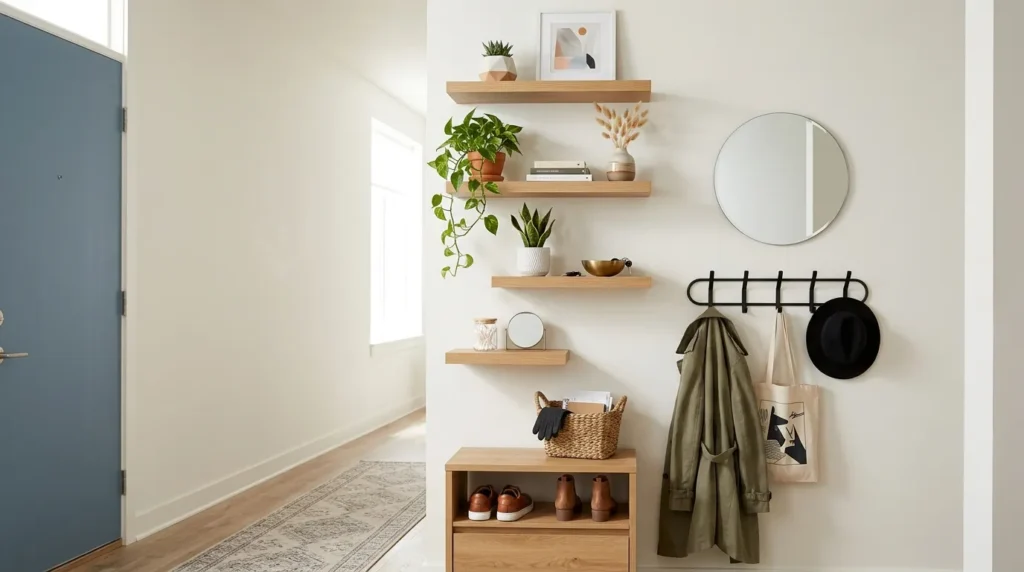
When working with a tiny entryway, vertical storage is a game-changer. By utilizing wall space for hooks, shelves, or cabinets, you can keep the floor area clear, making the space feel more open. Vertical storage solutions help you store everyday items, such as coats, bags, and shoes, without overcrowding your small entryway. This solution not only makes the space more functional but also visually interesting.
Incorporating floating shelves or wall-mounted racks allows for easy access to essentials while also creating a sense of organized chaos. I’ve noticed that well-thought-out vertical storage can transform a cramped space into an efficient and stylish part of the home. It can even become a design feature with the right materials, like sleek metal hooks or wooden shelving units.
3. Mirrors to Expand Space
- Creates the illusion of a larger space.
- Reflects light and brightens the area.
- Offers a functional piece of décor.
- Adds style and can match any design scheme.
- Can be framed in unique ways to enhance the entryway’s style.
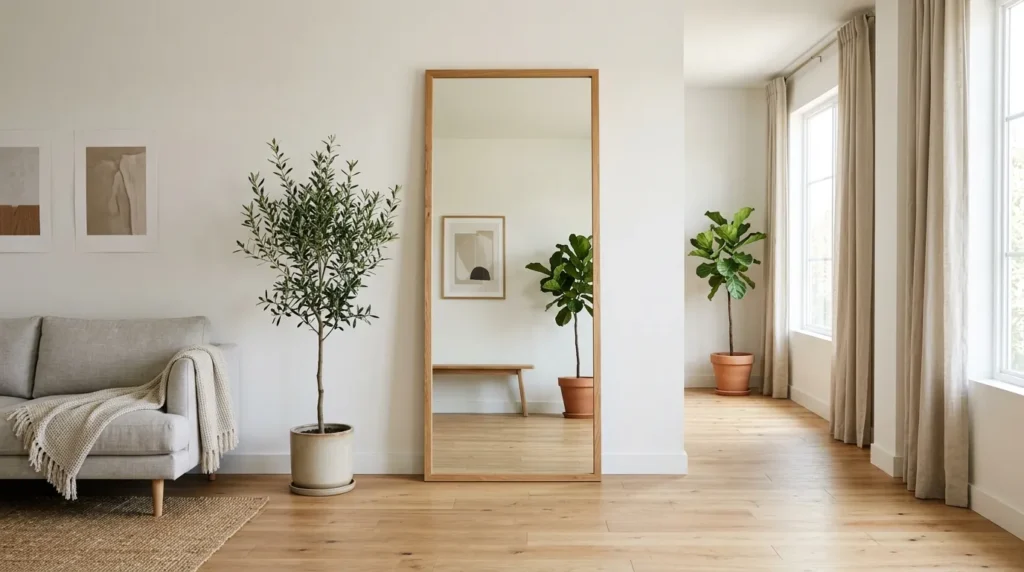
Mirrors are a small-space wonder. By strategically placing a large mirror in your tiny entryway, you can instantly make it feel more expansive and open. Mirrors reflect light, making the area appear brighter and airier, which is especially beneficial if your entryway doesn’t receive much natural light. Whether it’s a full-length mirror or a smaller decorative piece, a mirror serves both as a functional item and as a stylish focal point.
Incorporating a mirror in your entryway can also serve as a practical spot for a quick look before heading out the door. To make the most of it, opt for a frame that complements your home’s décor. A sleek, modern frame can add sophistication, while a rustic wooden frame can bring warmth to the space.
4. Vibrant Door Colors
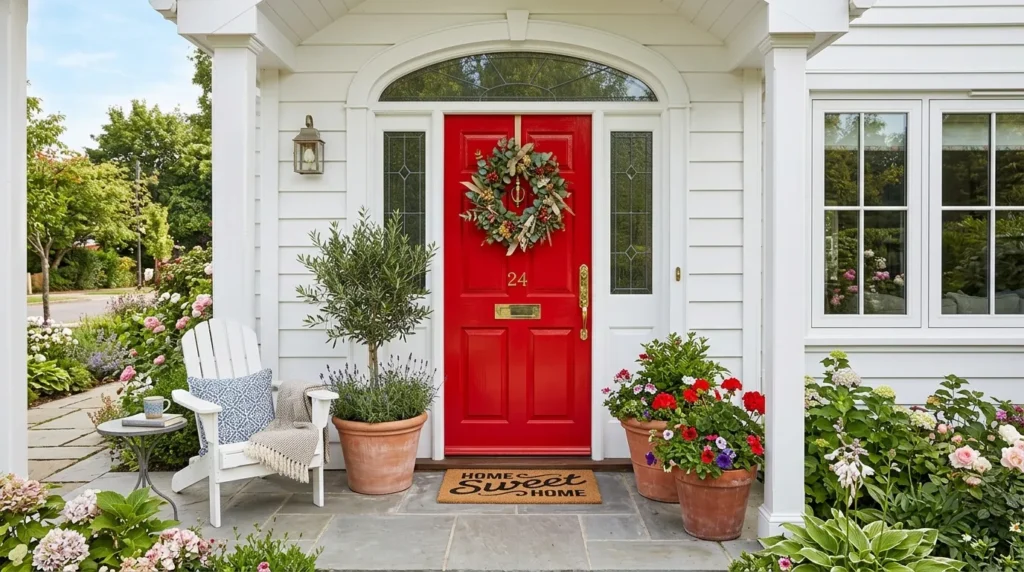
- Adds instant personality and curb appeal.
- Easy to maintain and update.
- Works well with all styles of homes.
- Reflects your personal taste.
- Makes your entryway stand out from the street.
A brightly colored front door is one of the simplest yet most impactful ways to elevate your tiny entryway. Whether you opt for a bold hue like fire-engine red or a serene shade like navy blue, a colorful door can inject personality and charm into your home’s façade. The color of your door is an expression of your personal style and can set the tone for the rest of the home.
I’ve seen this work well in many homes, especially when the color contrasts beautifully with the surrounding exterior. A vibrant door is a welcoming feature that catches the eye of visitors and passersby alike. It’s also a simple update that doesn’t require much maintenance but yields significant curb appeal.
5. Functional Decor Pieces
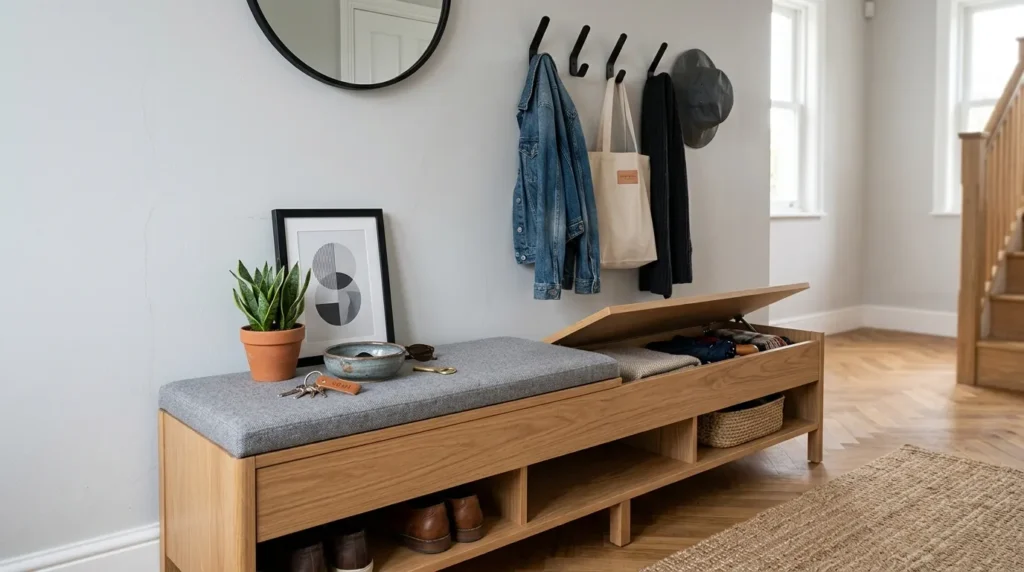
- Multi-purpose furniture maximizes space.
- Works as both décor and storage.
- Can add style and functionality to small spaces.
- Adds warmth and personality to the entryway.
- Easy to incorporate into any design style.
In a tiny entryway, functional décor pieces are your best friend. Items like a bench with hidden storage, a coat rack with a shelf, or a multi-functional console table can provide the dual purpose of offering storage and style. These pieces help keep the space organized while also adding character to the entryway. Functional décor is especially important in small spaces because it allows you to incorporate both practicality and beauty without overcrowding.
For example, a sleek bench can be used to store shoes, while also providing a place to sit while putting them on. A decorative bowl on a console table can hold keys, while the table itself serves as a statement piece. These functional decor items help your tiny entryway feel inviting and efficient, rather than cramped and cluttered.
6. Bold Rugs and Textiles
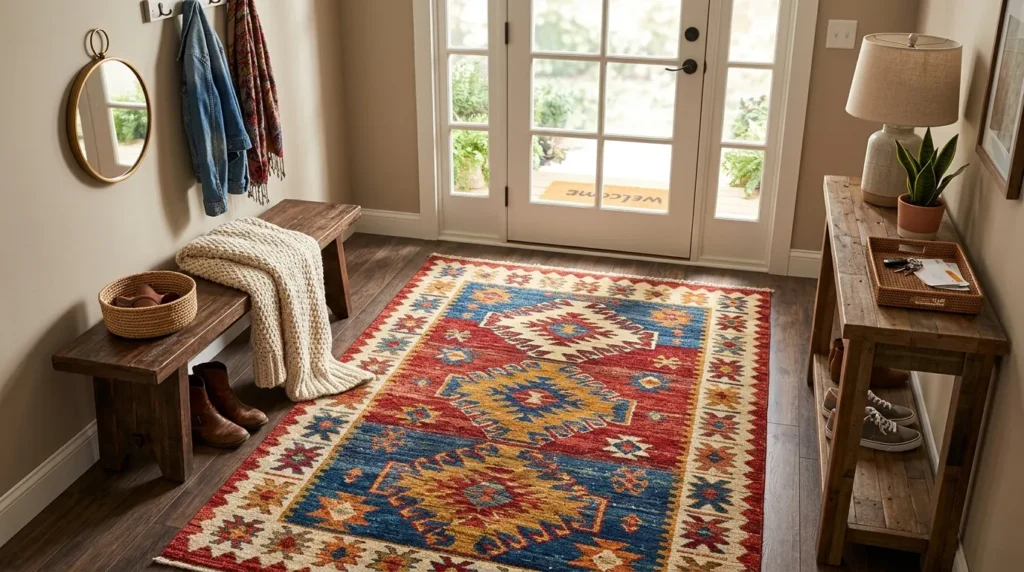
- Adds warmth and color to the entryway.
- Provides texture and comfort underfoot.
- Can be used to introduce patterns or colors.
- Easy to swap out for seasonal updates.
- Helps define the space visually.
A statement rug can completely transform a tiny entryway. A bold rug not only adds a pop of color or pattern to the space but also provides warmth and comfort underfoot. Whether you choose a geometric design, a floral pattern, or a simple solid color, a rug helps define the entryway and makes it feel more like a welcoming space. Plus, it’s an easy element to swap out for seasonal updates or to refresh your design.
Incorporating textiles like throw pillows or a woven mat can complement your rug choice and create a cozy, inviting atmosphere. I’ve noticed that the right rug can tie together the color scheme and overall aesthetic of the entryway, bringing personality and comfort into even the smallest of spaces.
7. Outdoor Planters
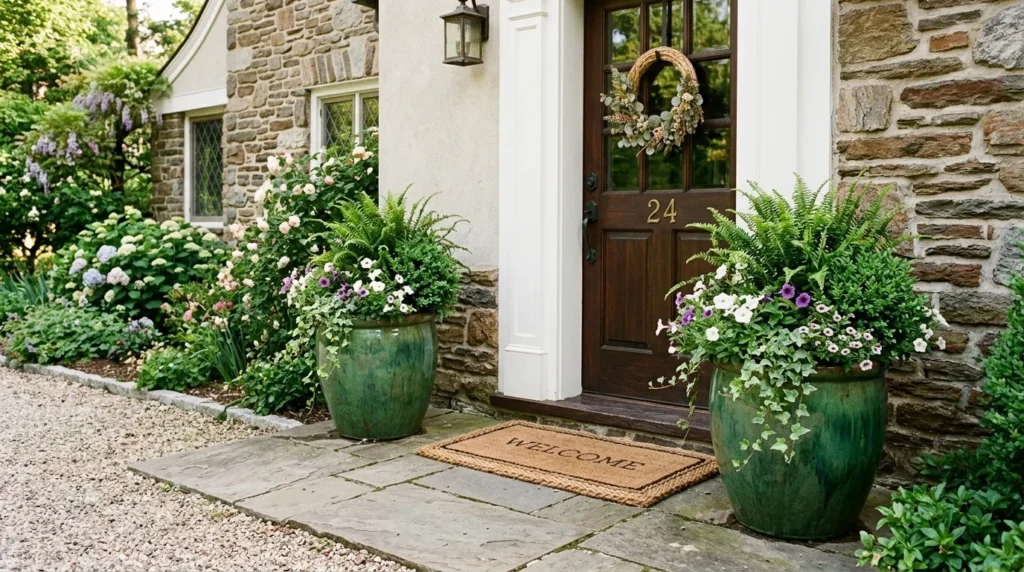
- Adds greenery and life to your entryway.
- Works well for both modern and traditional homes.
- Can be customized to fit your style.
- Helps frame and highlight your entrance.
- Improves the curb appeal with vibrant greenery.
Outdoor planters are a fantastic way to enhance the curb appeal of your tiny entryway. By placing a couple of planters on either side of your front door, you can create a welcoming, lived-in feel that immediately draws attention. Planters filled with flowers, shrubs, or even small trees add greenery and life to the space, while also framing the entrance beautifully.
Planters come in all shapes, sizes, and materials, so you can find options that perfectly complement your home’s exterior and style. From sleek modern designs to rustic wooden pots, outdoor planters can be a simple yet powerful addition that enhances your tiny entryway’s look and feel. They also bring the beauty of nature into the home, making the space feel more connected to the outdoors.
8. Smart Lighting Solutions
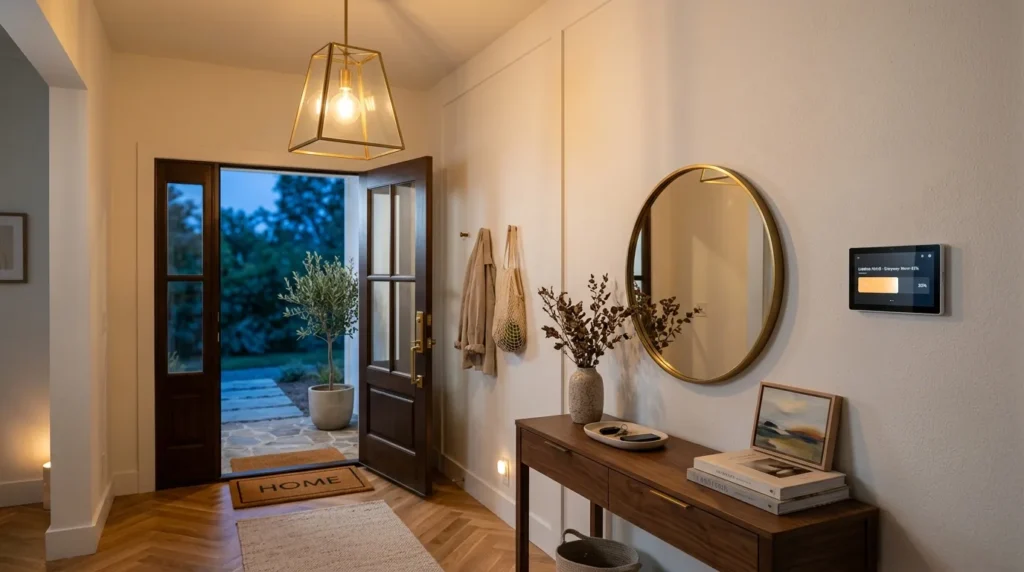
- Improves visibility and ambiance.
- Highlights key design elements.
- Can be integrated into small spaces easily.
- Adds warmth and coziness.
- Creates a welcoming atmosphere for guests.
Lighting is essential, especially in a tiny entryway where natural light may be limited. Using smart lighting solutions, such as LED strips, pendant lights, or sconces, can dramatically improve the ambiance and highlight design elements like mirrors, artwork, or architectural details. Proper lighting not only makes the space more functional but also enhances its aesthetic appeal.
I’ve noticed that a well-placed light fixture can draw attention to key features of the entryway, making it feel larger and more inviting. Whether you opt for a stylish pendant light over the door or wall-mounted sconces beside it, lighting is one of the easiest ways to create a warm and welcoming atmosphere in any entryway.
9. Minimalist Furniture
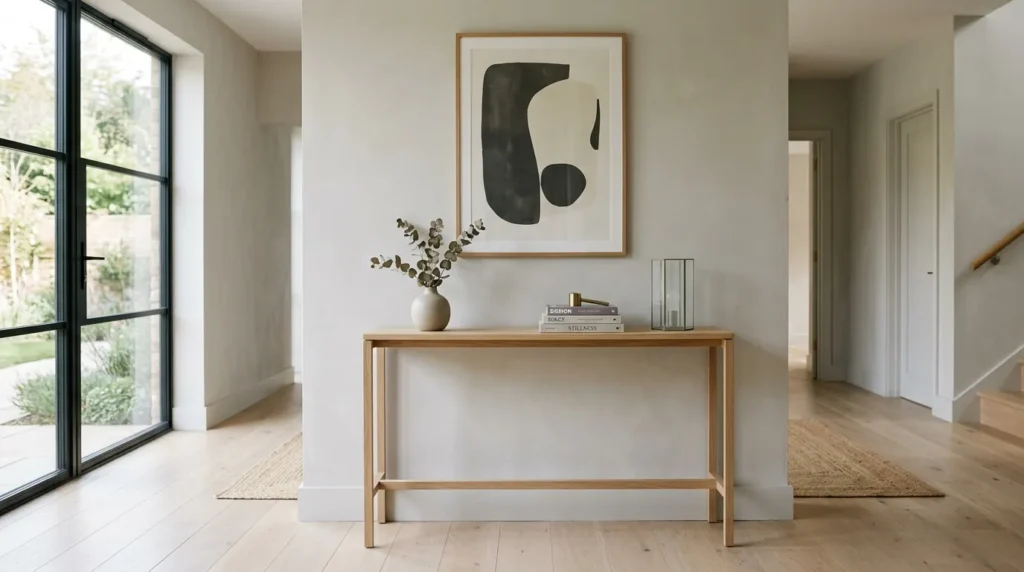
- Keeps the space feeling open and airy.
- Reduces clutter and unnecessary items.
- Can be customized to your needs and space.
- Works with all design styles.
- Ideal for small, tight entryways.
Minimalism is key when working with a tiny entryway. By choosing minimalist furniture, such as a sleek console table or a slimline coat rack, you can maximize the space’s functionality without overcrowding it. The goal is to keep only the essentials while incorporating stylish, functional pieces that complement the space’s overall design.
Incorporating minimalist furniture allows the entryway to remain open and uncluttered, making it feel more spacious than it actually is. With clean lines and simple design, minimalist furniture helps to maintain a light, airy feel, which is crucial in a small entryway.
10. Layered Textures
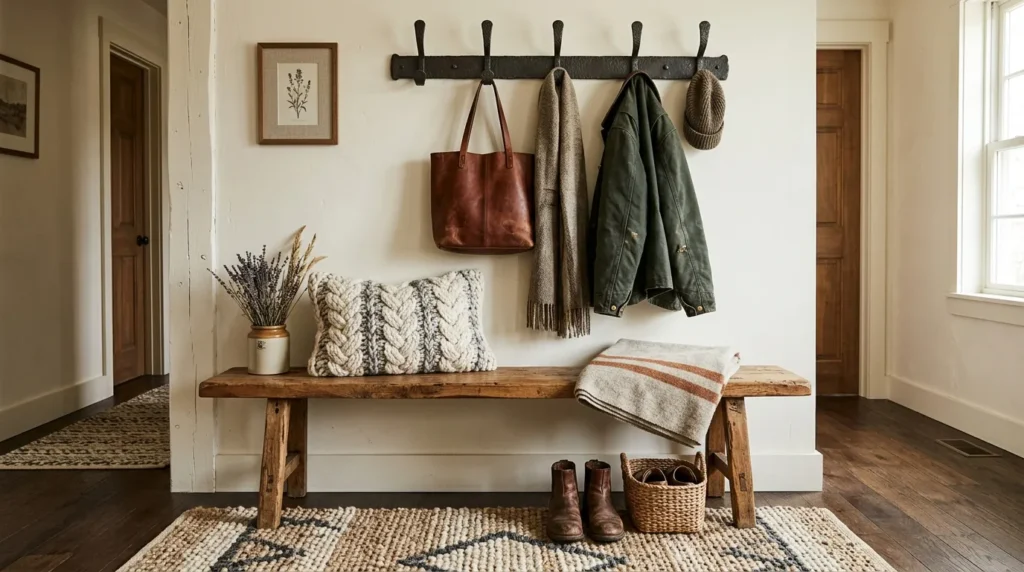
- Adds visual interest and depth.
- Combines multiple materials for a rich, dynamic look.
- Creates a cozy, inviting feel.
- Helps make small spaces feel more comfortable.
- Ideal for reflecting your personal style.
Layering textures is a fantastic way to add dimension and warmth to a tiny entryway. Combining materials like wood, metal, and textiles creates a visually rich, dynamic space. For example, pairing a wooden console table with a metal mirror frame or adding a textured rug can help break up the flat surfaces and create a more interesting, welcoming environment.
In my experience, the combination of different textures can make even the smallest space feel cozy and luxurious. Layering textures not only adds visual appeal but also introduces a tactile experience that invites guests to touch and explore the space.