
Why Is Your Bathroom Sink Draining Slow with No Hair in the Trap?
Discovering your bathroom sink draining slow with no hair in the trap is a frustrating experience that often leaves homeowners guessing. While hair is the most common culprit for bathroom clogs, the absence of it suggests the obstruction lies deeper within your plumbing or relates to the way your pipes breathe. You can often troubleshoot…
Discovering your bathroom sink draining slow with no hair in the trap is a frustrating experience that often leaves homeowners guessing. While hair is the most common culprit for bathroom clogs, the absence of it suggests the obstruction lies deeper within your plumbing or relates to the way your pipes breathe.
You can often troubleshoot these issues without calling a professional, provided you know exactly where to look. This article explores the hidden causes of sluggish drainage and offers practical steps to restore flow to your sink.
Identifying the Root Cause of Slow Drainage
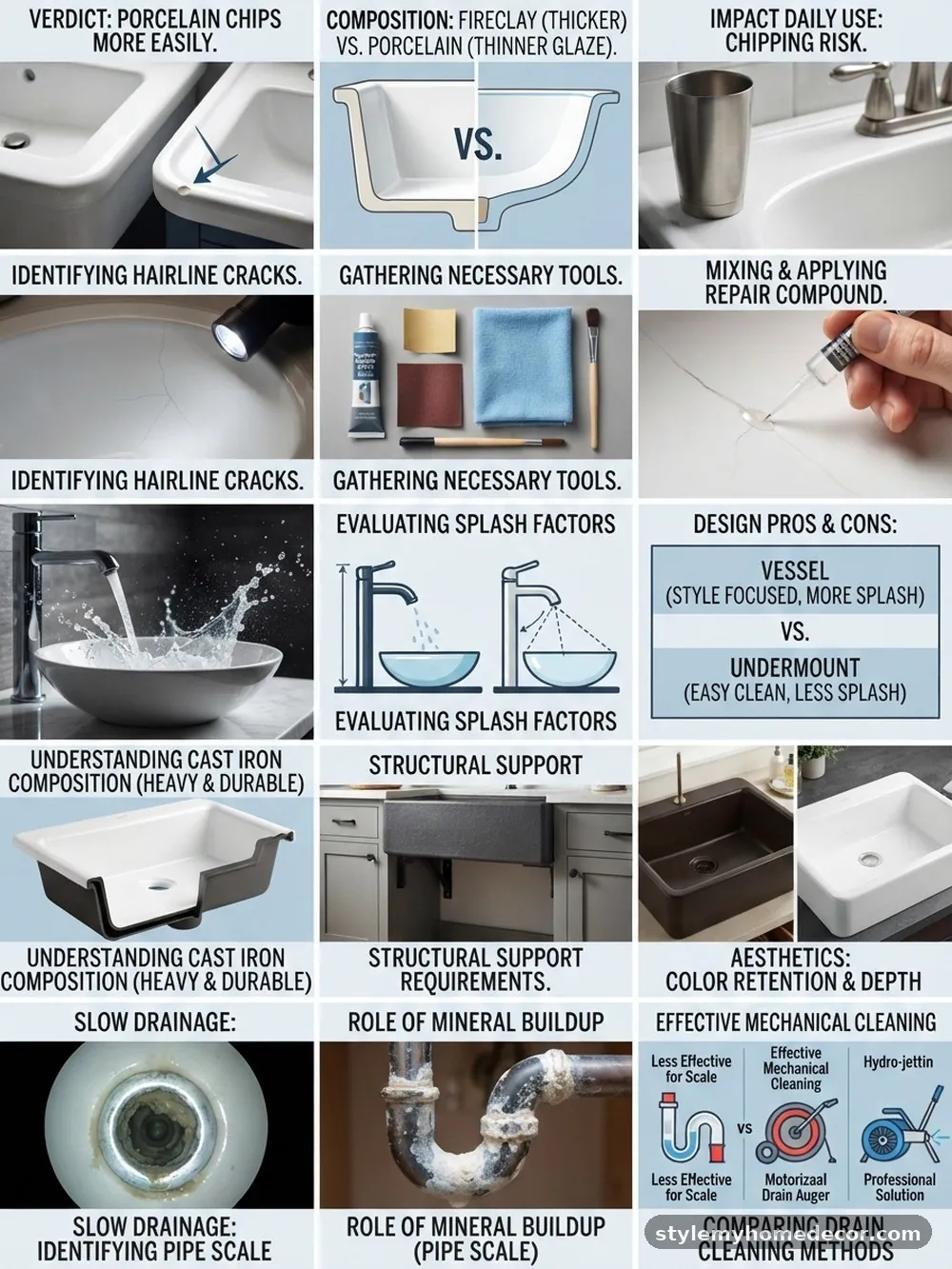
When you have checked the P-trap and the pop-up stopper, and you find no hair, the issue is usually related to mineral buildup or a venting failure. Mineral deposits, particularly in regions with hard water, accumulate over years on the interior walls of your pipes. This phenomenon, known as pipe scale, narrows the effective diameter of the drain pipe, significantly slowing down water egress.
Another common factor is soap scum accumulation mixed with other bathroom products like lotions or toothpaste. These substances create a waxy, sticky layer that acts as a magnet for fine debris that might otherwise pass through the system. If the obstruction isn’t a solid mass of hair, it is likely this layer of sludge that has built up along the length of the pipe.
You should also consider the role of the plumbing vent. If air cannot enter the pipes as water exits, a vacuum effect occurs, which acts like a physical brake on the drainage process.
This is often the case if you notice gurgling sounds accompanying the slow drain. Identifying these non-hair-related causes is the first step toward choosing the right maintenance strategy for your home’s pipes.
The Role of Mineral Buildup and Pipe Scale
Mineral buildup, often composed of calcium carbonate, is a frequent silent offender in modern homes. As water sits in your pipes, these minerals leach out and bond to the surface of the plumbing material. Over time, this creates a rough, jagged texture that slows down water flow and creates a surface where other debris easily snags.
Galvanized steel pipes are particularly prone to this type of internal corrosion compared to modern PVC piping. If your home was built before the widespread adoption of plastic plumbing, your pipes might be suffering from significant interior narrowing due to rust and mineral accumulation. This type of reduction in pipe diameter is permanent unless the pipes are replaced or professionally cleaned.
To manage this, you can try using a mild enzymatic cleaner periodically. These cleaners use bacteria to eat away at organic matter and can help prevent new minerals from forming a thick crust. It is important to note that while chemical drain cleaners might seem like a quick fix, they can actually damage older metal pipes, potentially leading to leaks.
Understanding Plumbing Vent Issues
Your plumbing system requires a constant exchange of air to function correctly, provided by the plumbing vent system. If a vent stack on your roof becomes blocked by leaves, bird nests, or debris, the air pressure inside your pipes becomes unbalanced. This lack of air intake causes water to move sluggishly, even if the pipes themselves are perfectly clear.
You might notice this if the slow drainage is accompanied by a distinctive gurgling sound or the smell of sewer gas in the room. This indicates that the water is being forced to pull air through the P-trap because it cannot get enough air from the vent. This is a clear sign that the issue is not a local clog in the sink itself but a systemic problem with your home’s ventilation.
If you suspect a vent blockage, it is often best to consult a professional plumber. Accessing the roof to clear a main stack is dangerous and requires specialized equipment. A professional can use a camera to inspect the venting system or use a snake to clear the blockage from the top down.
Evaluating the P-Trap and Beyond

Even if the P-trap appears free of hair, it may still hold a buildup of sludge or small, heavy objects that don’t look like typical clogs. Sometimes, jewelry, small plastic caps, or heavy grit can settle at the lowest point of the P-trap. These items don’t block the pipe entirely but create enough turbulence to impede the speed of the water.
Removing the P-trap to inspect it manually is a standard procedure for most homeowners. Place a bucket underneath the trap to catch residual water and unscrew the slip nuts by hand or with a pair of channel-lock pliers. Once the trap is off, you can visually inspect the interior and clean it with a small brush.
If the trap is clear, the blockage might be further downstream in the wall pipe. This is where a plumbing snake becomes necessary to reach deeper into the system. Always be gentle when using a snake to avoid damaging the pipe fittings or pushing the obstruction further into a narrower section of the pipe.
The Science of Soap Scum and Grease
Bathroom sinks are frequently exposed to various soaps, shampoos, and shaving creams that contribute to a thick residue. This residue, often called soap scum, is remarkably resilient and clings to the walls of the pipes. Unlike hair, which forms a mat, soap scum builds up in layers, gradually constricting the path of the water.
When you mix these soaps with the hard water minerals mentioned earlier, the result is a substance that is almost as hard as concrete. This is why standard plungers often fail; they are designed to move air and water to dislodge a soft clog, not to break up a hardened, mineral-rich deposit. You need something that dissolves the bond between the grime and the pipe.
Regularly flushing your drain with hot water can help prevent this accumulation. For a more thorough cleaning, you can look into the EPA WaterSense program to understand more about efficient water usage and the importance of maintaining your plumbing fixtures for longevity.
Comparing Common Drain Cleaning Methods
There are several ways to address a slow drain, ranging from natural home remedies to mechanical tools. The effectiveness of each method depends heavily on the nature of the blockage.
| Method | Best For | Difficulty Level |
|---|---|---|
| Baking Soda & Vinegar | Light organic buildup | Low |
| Plunger | Dislodging soft obstructions | Low |
| Plumbing Snake | Deep, stubborn blockages | Medium |
| Enzymatic Cleaner | Preventative maintenance | Low |
Each of these methods serves a different purpose in your plumbing maintenance routine. While a plunger is a first-response tool, a snake is better for deep-seated issues that are out of reach. Baking soda and vinegar are excellent for routine cleaning but are rarely powerful enough to clear a significant, long-term obstruction.
When to Call a Professional Plumber
Sometimes, the cause of a slow drain is beyond the reach of standard DIY tools. If you have snaked the drain, checked the P-trap, and ensured the vents are clear but the problem persists, you may have a sewer line blockage. A main sewer blockage affects multiple fixtures in the house, not just the bathroom sink.
Another sign that you need professional help is the presence of consistent, foul odors or water backing up into other drains when you use the sink. These are indicators of a larger, systemic failure that could lead to sewage backup if left unaddressed. Professionals have access to advanced tools like hydro-jetting, which uses high-pressure water to blast away years of pipe scale.
Hydro-jetting is particularly effective for older pipes that have accumulated heavy mineral deposits. It cleans the entire interior surface of the pipe, restoring it to a near-new condition. While this is a more significant investment than a store-bought cleaner, it is often the most cost-effective solution for long-term drainage issues.
Effective DIY Maintenance Tips
Preventing future issues is often easier than fixing them once they have become a major problem. Adopting a few simple habits can keep your bathroom sink flowing smoothly for years. One of the most effective habits is to limit the amount of heavy lotions and oily soaps that go down the drain.
You should also make it a point to flush your drains with boiling water once every month. This helps to melt away soap scum before it has a chance to harden into a stubborn layer. Adding a small amount of vinegar during this process can also help break down minor mineral deposits.
Additionally, consider these steps to keep your plumbing healthy:
- Use a mesh drain screen to catch small debris before it enters the pipe.
- Avoid pouring excess hair or solid waste into the sink, even if you think it’s small.
- Perform a visual inspection of your under-sink pipes twice a year for signs of leaks or corrosion.
- Use an enzymatic cleaner every few months to maintain a clean pipe environment.
- Keep your pop-up stopper clean and free of grime to ensure it doesn’t obstruct flow.
The Impact of Pipe Diameter and Material
The size and material of your pipes play a massive role in how susceptible they are to slow drainage. Older homes often feature pipes with a narrower diameter, which are naturally more prone to clogging. As these pipes age, the interior surfaces become rougher, further slowing down the water flow.
Transitioning to modern materials like PVC piping can significantly improve drainage performance. PVC is smooth, resistant to mineral buildup, and does not corrode like metal pipes. If you are renovating your bathroom, replacing old, undersized pipes is one of the most effective ways to solve chronic drainage issues permanently.
If you are stuck with older plumbing, you must be more diligent with your maintenance. You need to be more cautious about what you put down the drain and more regular with your cleaning schedule. Understanding the limitations of your home’s infrastructure helps you set realistic expectations for your maintenance efforts.
Troubleshooting Your Bathroom Sink Draining Slow with No Hair in the Trap
When you find yourself dealing with your bathroom sink draining slow with no hair in the trap, remain systematic. Start by ruling out the easiest culprits, such as a dirty pop-up stopper or a partially blocked P-trap. If those are clear, investigate the venting and the potential for mineral scale.
Don’t be afraid to use a snake to check for deeper obstructions, but remember to stay gentle. If you find that the issue is widespread across your home, consult a professional to check the sewer line. Most importantly, keep your drains clear with regular, non-corrosive maintenance to prevent these issues from recurring.
Frequently Asked Questions
Can I use chemical drain cleaners for a slow sink?
Most plumbers advise against using harsh chemical drain cleaners, especially if you have older metal pipes. These chemicals are highly corrosive and can eat through the pipes themselves, leading to leaks that are far more expensive to fix than a simple clog.
What does a gurgling sound mean?
A gurgling sound usually indicates a problem with the plumbing vent. When air cannot reach the pipes as water drains, the system creates a vacuum that pulls air through the drain trap, creating that distinct noise.
How often should I clean my bathroom drains?
A monthly maintenance routine involving hot water and a mild cleaner is usually sufficient to prevent the buildup of soap scum and minor mineral deposits. If you have very hard water, you may want to perform this cleaning every two weeks.
Is it possible that the blockage is in the main sewer line?
Yes, if you notice that multiple sinks or toilets in your home are draining slowly or gurgling, it is likely a blockage in the main sewer line. This requires professional equipment to diagnose and clear safely.
Can baking soda and vinegar really clear a clog?
They are very effective for light, organic buildup and are a great way to keep pipes clear. However, they are unlikely to clear a hard, physical obstruction or a massive buildup of mineral scale, for which mechanical cleaning is required.
Conclusion
Dealing with a sink that won’t empty properly is a common headache that rarely suggests a catastrophic failure. By understanding that your bathroom sink draining slow with no hair in the trap is typically caused by mineral scale, soap scum, or venting issues, you can take targeted action. Start with the basics like cleaning the P-trap and flushing the system with hot water, and don’t hesitate to call a professional if the problem points toward your home’s main vent or sewer lines.
Consistent, gentle maintenance is the best approach to ensuring your plumbing remains clear. If you have tried these steps and the issue persists, feel free to reach out to a local professional to ensure your home’s drainage system is fully restored.