How to Declutter Your Home Like a Professional Organizer
A clutter-free home isn’t about perfection—it’s about creating a space that feels peaceful, functional, and easy to maintain. If you’ve ever looked around your home and felt overwhelmed by overflowing closets, crowded countertops, or rooms filled with things you rarely use, you’re certainly not alone. Many homes gradually collect more belongings than they truly need,…
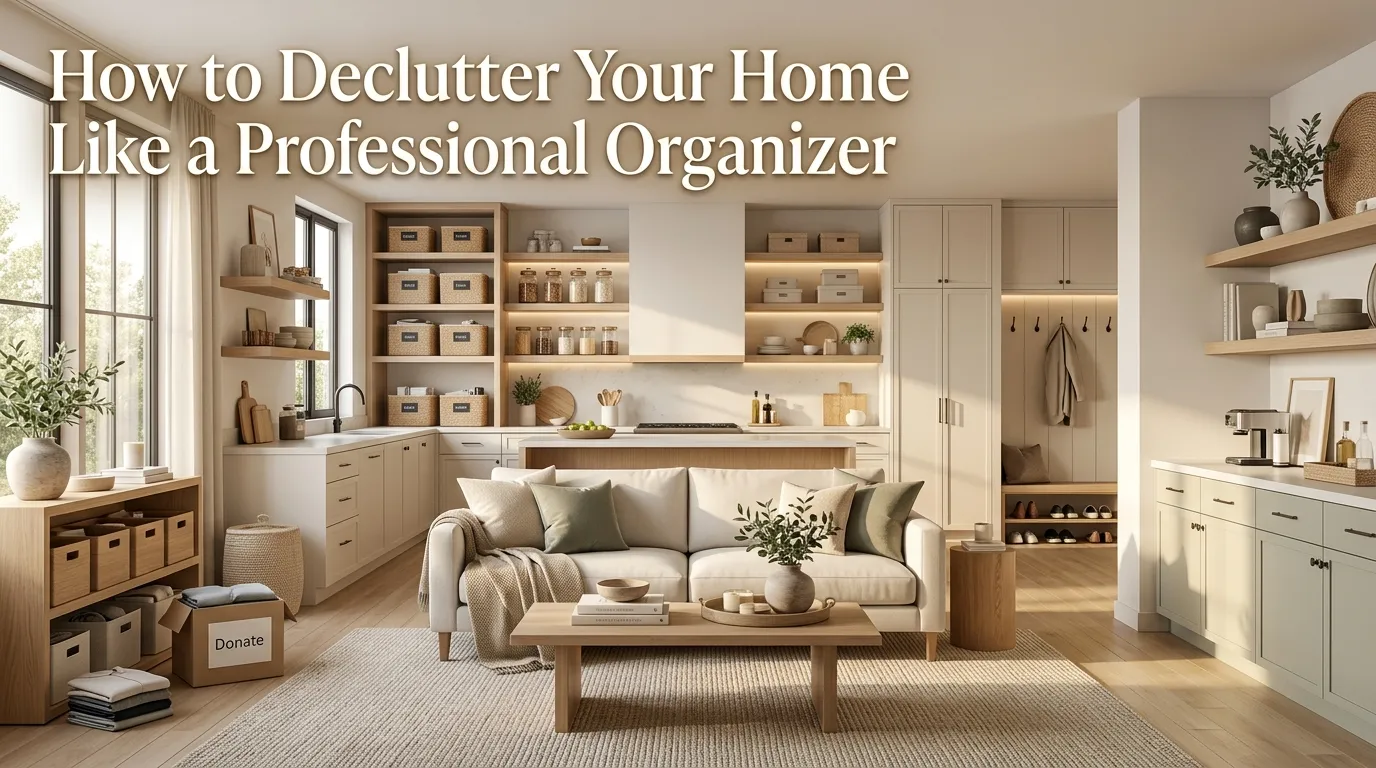
A clutter-free home isn’t about perfection—it’s about creating a space that feels peaceful, functional, and easy to maintain. If you’ve ever looked around your home and felt overwhelmed by overflowing closets, crowded countertops, or rooms filled with things you rarely use, you’re certainly not alone. Many homes gradually collect more belongings than they truly need, making everyday routines feel more stressful than they should.
One thing I’ve noticed is that professional organizers don’t simply remove clutter—they create systems that make staying organized much easier over time. Instead of tackling everything at once, they break large projects into smaller, manageable tasks while focusing on how each space is actually used every day.
The good news is you don’t need expensive storage products or an entire weekend to begin transforming your home. Small, consistent improvements often create the biggest long-term results. Whether you’re organizing a single drawer, refreshing an entryway, or simplifying an entire room, thoughtful decisions help reduce visual clutter while making your home more enjoyable to live in.
In this guide, you’ll discover practical strategies inspired by professional organizers that can help you declutter with confidence. These simple techniques are realistic, easy to follow, and designed to create lasting organization without unnecessary stress.
Table of Contents
1. Start Small
Build momentum with quick, manageable projects.
2. Sort By Category
Organize similar items together before making decisions.
3. Follow The Keep Rule
Keep only what truly serves your life.
4. Create Storage Zones
Give every item a designated home.
5. Clear Flat Surfaces
Reduce visual clutter for an instantly cleaner home.
6. Organize Room By Room
Work through your home with a simple plan.
7. Use Smart Containers
Choose storage that supports everyday routines.
8. Donate Regularly
Reduce clutter by letting useful items go.
9. Build Daily Habits
Prevent clutter from returning.
10. Maintain Your Progress
Create systems that last all year.
1. Start Small
Quick Benefits
- Prevents overwhelm
- Builds motivation
- Creates quick results
- Easy for beginners
- Encourages consistency
Why It Works
Professional organizers rarely begin with the most cluttered room in the house. Instead, they start with smaller projects that can be completed in a short amount of time. Finishing one drawer, one shelf, or one cabinet creates immediate progress and builds confidence for larger organizing sessions. In my experience, seeing visible improvement early makes it much easier to stay motivated throughout the entire process.
How To Do It
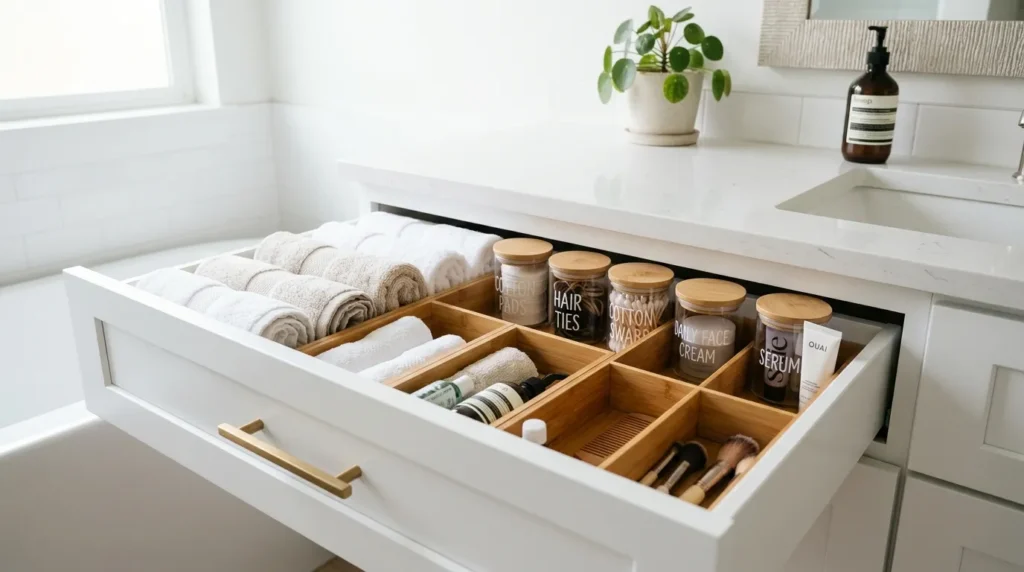
Choose one small area such as a bathroom drawer, bedside table, or kitchen junk drawer. Remove everything before wiping the surface clean. Return only the items you use regularly and organize them neatly using simple containers or drawer dividers. Complete one small project before moving to the next rather than jumping between multiple rooms.
2. Sort By Category
Quick Benefits
- Makes decision-making easier
- Reveals duplicates
- Improves organization
- Saves storage space
- Creates better systems
Why It Works
One of the most effective organizing methods is gathering similar items into one place before deciding what to keep. Seeing every coffee mug, towel, book, or storage container together makes it much easier to recognize duplicates and identify unnecessary purchases. That’s why professional organizers almost always declutter by category instead of working item by item.
How To Do It
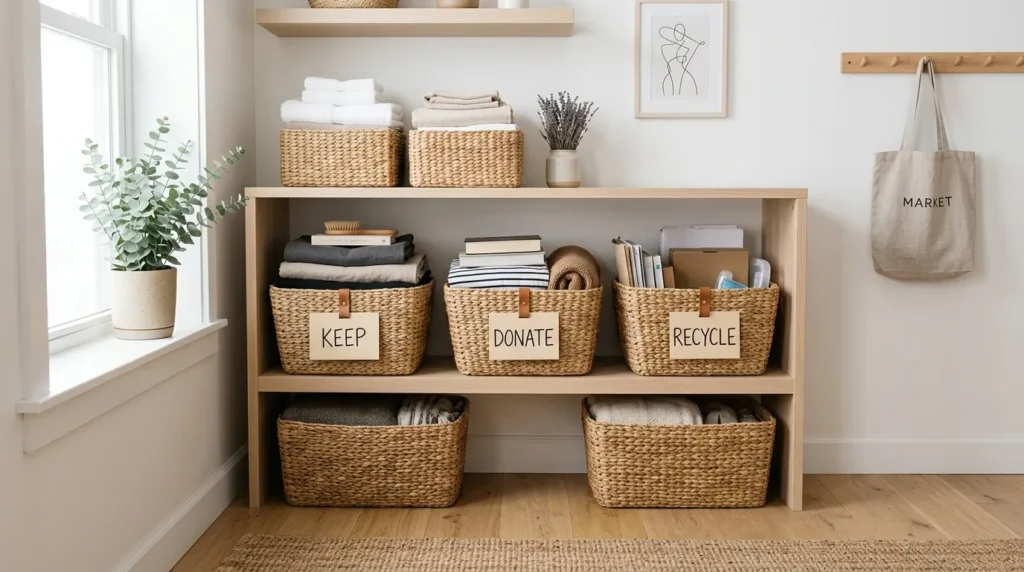
Collect all similar belongings from around the house before sorting them into three groups: keep, donate, and recycle or discard. Return only the items you genuinely use while storing them together in one designated location. Label containers whenever possible to make finding and returning items easier.
3. Follow The Keep Rule
Quick Benefits
- Reduces unnecessary belongings
- Simplifies decisions
- Creates more space
- Encourages mindful shopping
- Prevents future clutter
Why It Works
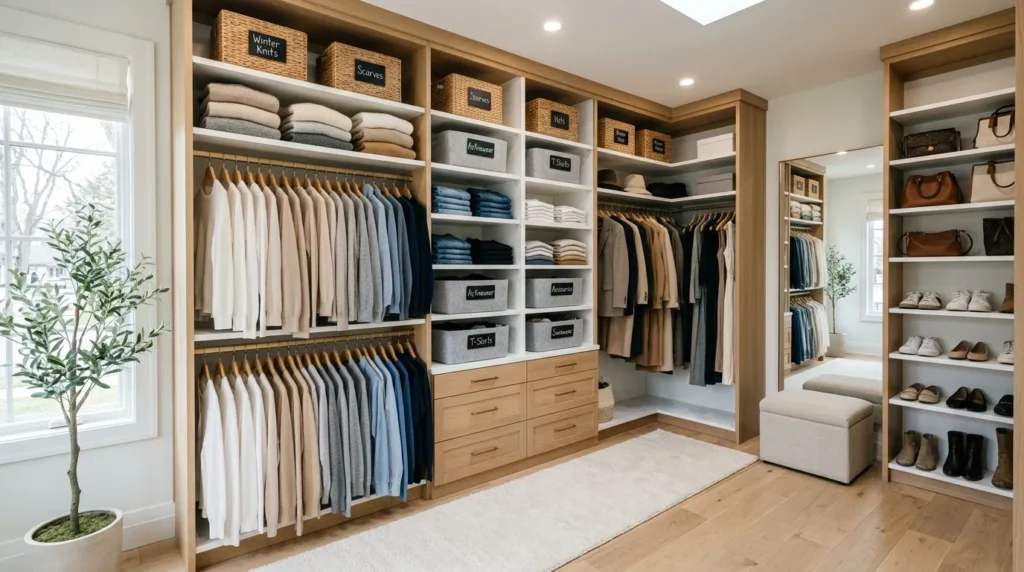
Professional organizers often ask simple questions before deciding whether an item deserves space in your home. Instead of focusing on how much something cost, they consider how often it’s used and whether it truly serves a purpose today. One thing that works especially well is asking yourself whether you would purchase the same item again if you didn’t already own it.
How To Do It
As you sort, ask three questions:
- Do I use this regularly?
- Do I genuinely love it?
- Does it serve a clear purpose?
If the answer is no to all three, consider donating or recycling the item. This simple process removes emotional pressure while helping you make practical decisions.
4. Create Storage Zones
Quick Benefits
- Reduces clutter
- Saves time
- Makes cleaning easier
- Improves daily routines
- Prevents misplaced items
Why It Works
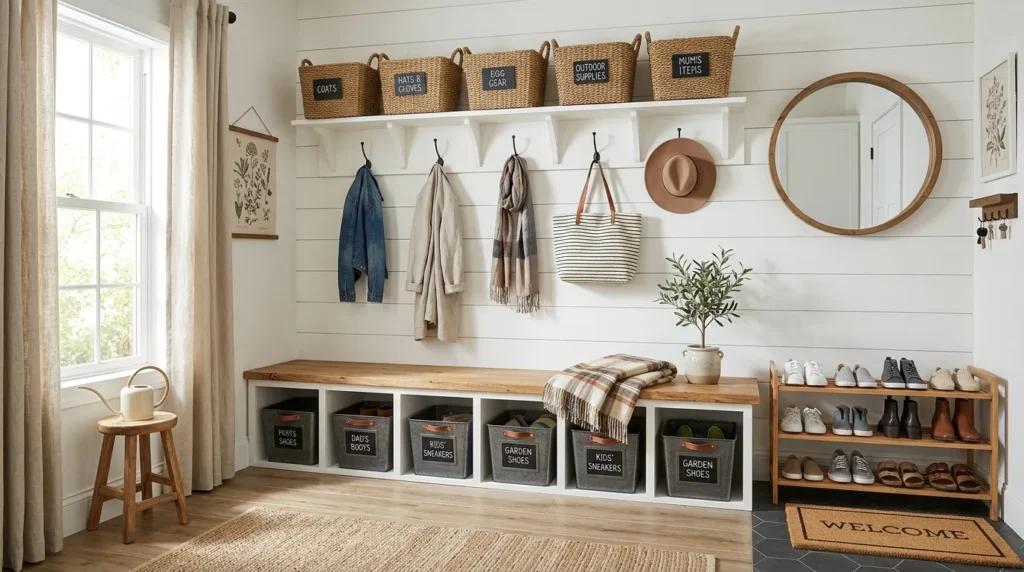
Every item should have a permanent home. Without designated storage zones, belongings naturally migrate from room to room, creating clutter throughout the house. I’ve found that assigning specific areas for keys, mail, charging cables, seasonal decorations, and cleaning supplies dramatically reduces everyday mess.
How To Do It
Create dedicated zones based on how you use each room. Store coffee supplies together near the coffee maker, keep cleaning products in one cabinet, and organize entryway essentials in baskets or trays. Use drawer dividers, bins, and labels to maintain each storage zone long after decluttering is complete.
5. Clear Flat Surfaces
Quick Benefits
- Instantly makes rooms look cleaner
- Reduces visual stress
- Simplifies cleaning
- Creates open space
- Enhances home decor
Why It Works
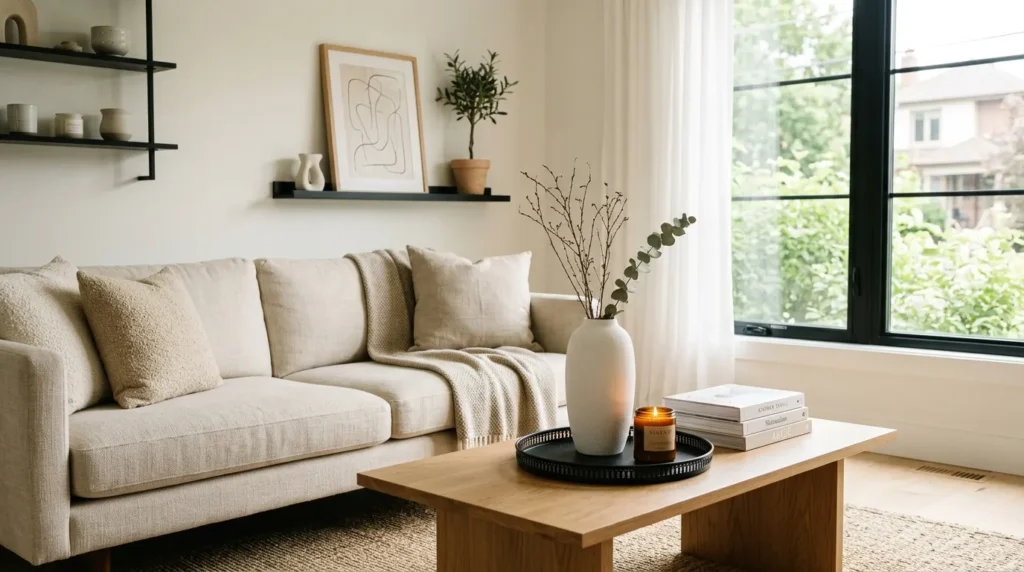
Countertops, coffee tables, dressers, and dining tables often become collection points for everyday clutter. Clearing these surfaces creates one of the fastest visual transformations in any room. I’ve seen homes feel significantly larger and calmer simply by removing unnecessary items from visible surfaces.
How To Do It
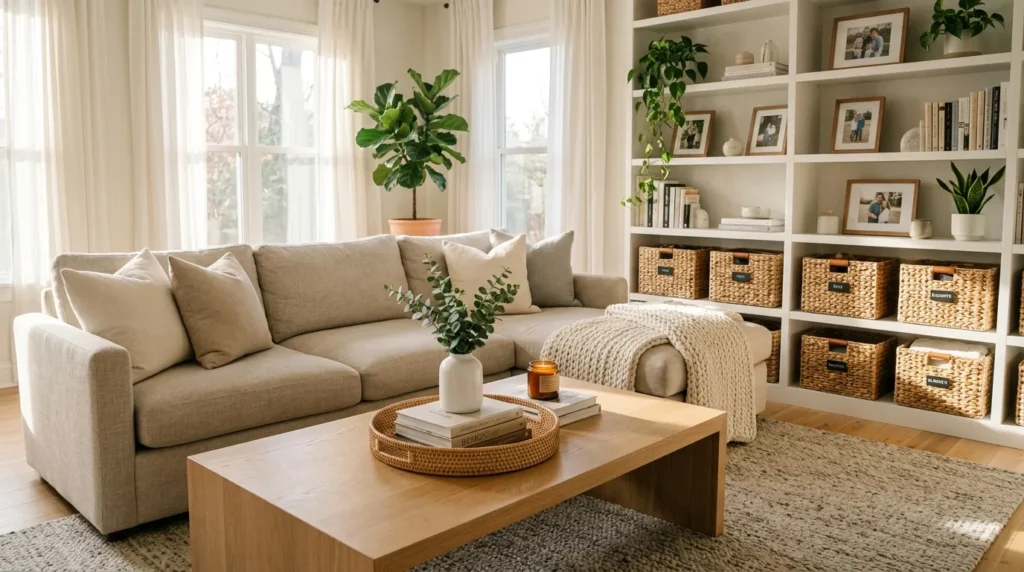
Keep only functional or decorative items that truly belong on each surface. For example, style a coffee table with a tray, candle, and small vase instead of allowing papers and miscellaneous items to pile up. Store everyday essentials inside cabinets or baskets to maintain a tidy appearance while keeping them easily accessible.
6. Organize Room By Room
Quick Benefits
- Makes large projects manageable
- Prevents burnout
- Creates visible progress
- Keeps motivation high
- Builds long-term organization
Why It Works
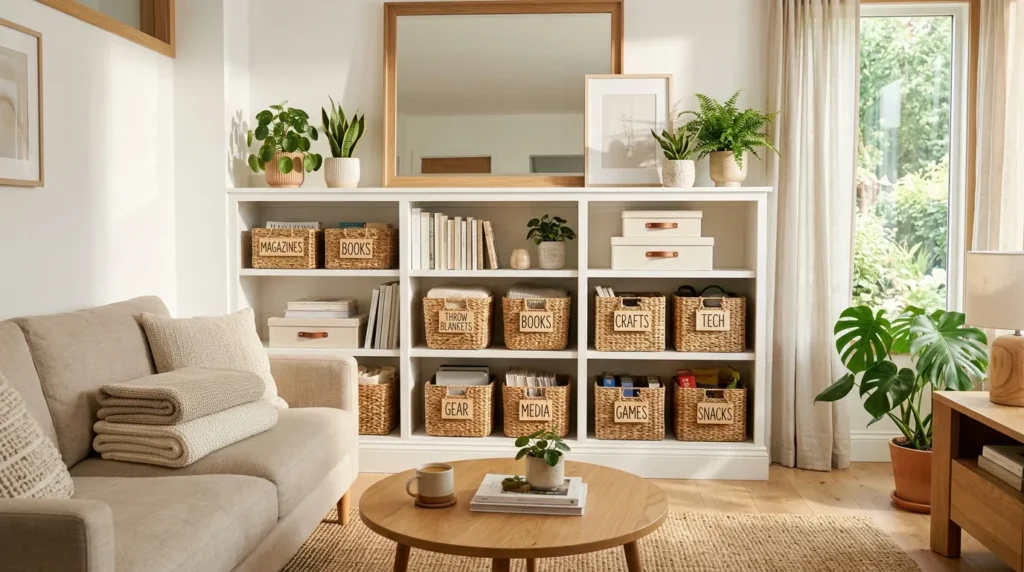
Trying to organize an entire house in one weekend often leads to frustration and unfinished projects. Professional organizers typically work one room at a time because it creates a clear plan and allows each space to be completed before moving on. I’ve found that finishing one room completely provides a sense of accomplishment that encourages you to continue throughout the rest of the home.
How To Do It
Create a simple checklist of every room in your home. Begin with the easiest space, then move to bedrooms, bathrooms, living areas, and finally larger storage spaces like garages or basements. Finish organizing, cleaning, and returning items before starting another room to avoid spreading clutter throughout the house.
7. Use Smart Containers
Quick Benefits
- Maximizes storage space
- Keeps items organized
- Makes cleaning easier
- Reduces visual clutter
- Supports daily routines
Why It Works
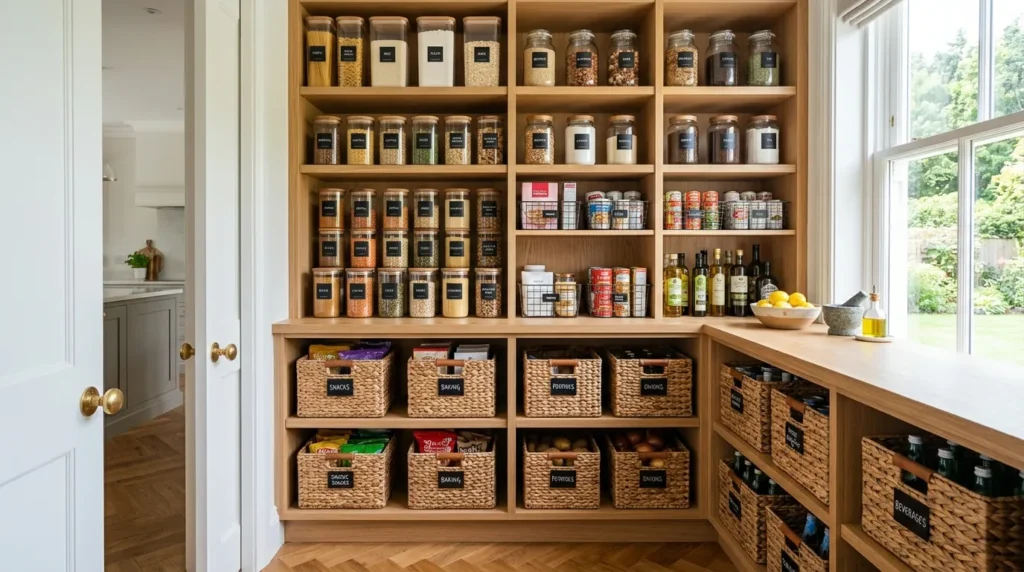
Storage containers don’t create organization on their own—they support systems that already work. Professional organizers choose containers based on the items being stored rather than buying bins first. One thing that works especially well is using matching containers because they instantly make closets, pantries, and shelves look calmer and more organized.
How To Do It
Use clear bins for pantry items, woven baskets for living rooms, drawer dividers for clothing, and stackable containers for closets. Label each container clearly so every family member knows where items belong. Avoid overfilling bins, leaving enough room to return items neatly after each use.
8. Donate Regularly
Quick Benefits
- Keeps clutter under control
- Helps others
- Frees valuable space
- Encourages mindful shopping
- Easy monthly habit
Why It Works
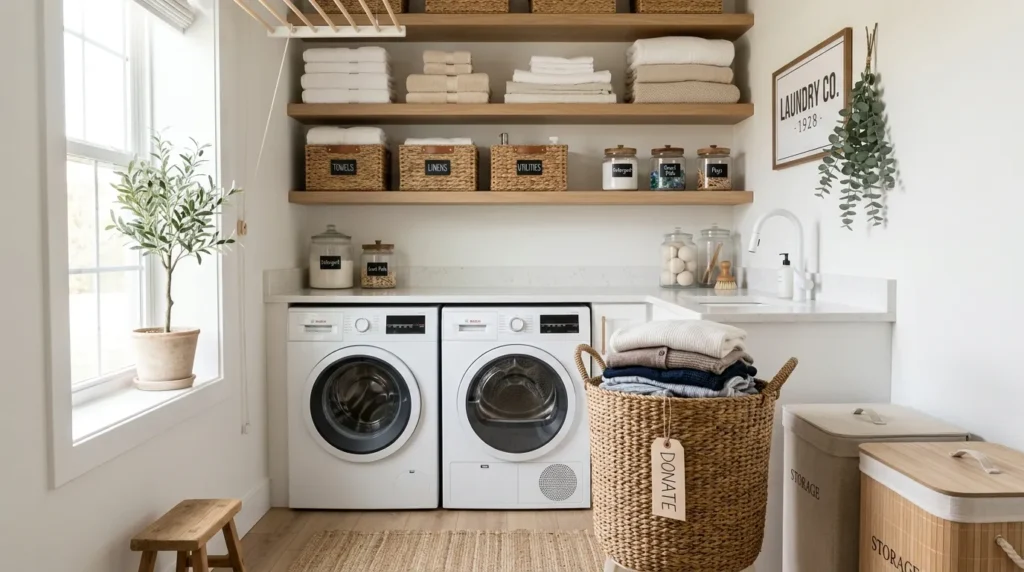
Decluttering isn’t something you do only once. Homes naturally collect new belongings throughout the year, making regular donations an important part of staying organized. That’s why many professional organizers recommend keeping a donation basket available at all times so unwanted items leave the house quickly instead of collecting in closets.
How To Do It
Place a labeled donation basket inside a closet, laundry room, or garage. Whenever clothing, books, toys, or household items are no longer needed, place them directly into the basket. Once it’s full, schedule a donation drop-off instead of letting the items accumulate.
9. Build Daily Habits
Quick Benefits
- Prevents clutter buildup
- Saves cleaning time
- Reduces stress
- Creates lasting routines
- Keeps every room tidy
Why It Works
Professional organizers know that small daily habits are more effective than occasional marathon cleaning sessions. Spending just a few minutes each day returning items to their designated places keeps clutter from becoming overwhelming. I’ve noticed that consistent routines help maintain organized homes with much less effort over time.
How To Do It
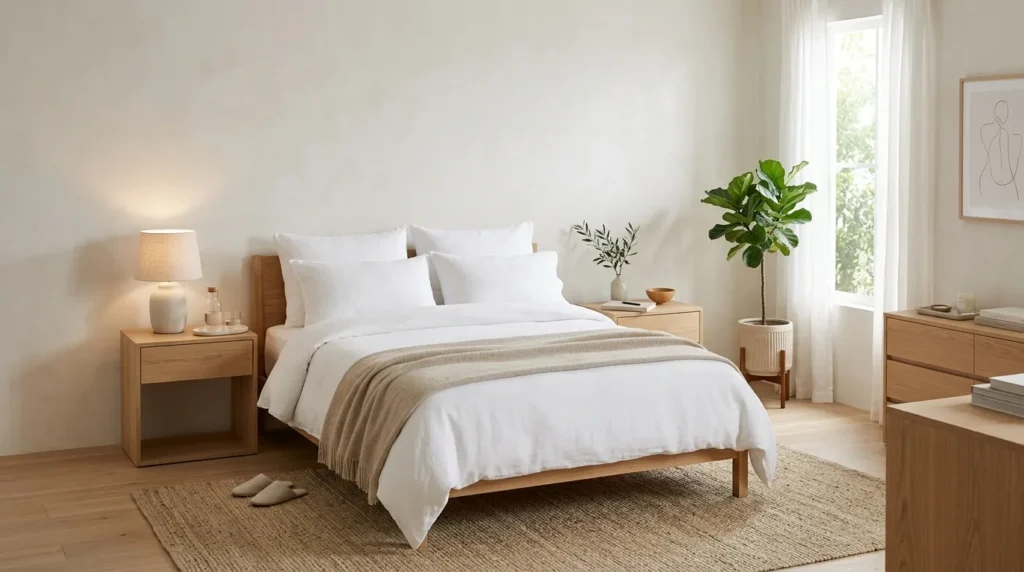
Adopt simple habits like making the bed every morning, clearing kitchen counters after meals, sorting mail immediately, and spending ten minutes each evening putting away misplaced items. These small routines quickly become automatic and make deep cleaning much easier.
10. Maintain Your Progress
Quick Benefits
- Keeps your home organized
- Reduces future decluttering
- Saves time
- Makes cleaning easier
- Protects your hard work
Why It Works
The goal isn’t simply to declutter once—it’s to create habits that prevent clutter from returning. A mistake many homeowners make is treating organization as a finished project rather than an ongoing lifestyle. Small weekly maintenance sessions help your home stay organized without requiring another major decluttering effort.
How To Do It
Schedule a weekly 20- to 30-minute reset to tidy common areas, return misplaced items, and empty your donation basket if needed. Every season, review closets, cabinets, and storage spaces to remove anything you no longer use. These regular check-ins make organization feel effortless throughout the year.
Frequently Asked Questions
1. Where should I start when decluttering my home?
Start with a small, manageable space such as a junk drawer, bathroom cabinet, or bedside table. Completing one quick project builds confidence and momentum before tackling larger rooms.
2. How long does it take to declutter an entire home?
The timeline depends on your home’s size and the amount of clutter. Many professional organizers recommend working in short sessions over several weeks rather than trying to finish everything in one weekend.
3. What is the biggest mistake people make while decluttering?
Trying to organize before removing unnecessary items is one of the most common mistakes. Declutter first, then purchase storage solutions based on what actually remains.
4. Should I buy storage bins before I start organizing?
No. It’s better to declutter first so you know exactly what needs to be stored. This prevents buying containers that are too large, too small, or ultimately unnecessary.
5. How can I stop clutter from coming back?
Create simple daily routines, give every item a designated place, donate regularly, and schedule short weekly reset sessions. Consistent habits are the key to maintaining an organized home.
6. How often should I declutter my home?
Light decluttering every week combined with a more thorough review every season helps keep your home organized year-round without becoming overwhelming.
Conclusion
Decluttering your home like a professional organizer isn’t about achieving perfection—it’s about creating practical systems that support your everyday life. By starting with small projects, organizing by category, creating designated storage zones, and building simple daily habits, you can transform your home into a space that feels calmer, cleaner, and easier to maintain.
Remember that lasting organization happens gradually. Each drawer you organize, each donation you make, and each new habit you build brings you closer to a home that works for you instead of against you.
Start with one area today, celebrate the progress you make, and continue building from there. Over time, these small, consistent efforts will create a beautifully organized home that feels welcoming, functional, and stress-free every day.
Related Articles
- 10 Entryway Organization Ideas for Busy Homes
- 10 Small Living Room Storage Ideas
- How to Organize Your Closet Like a Professional
- 10 Pantry Organization Ideas You’ll Wish You Tried Sooner
- 10 Minimalist Home Decor Ideas for a Clutter-Free Space