10 Should Bedroom Nightstands Match
Choosing bedroom furniture often comes with one common question: should bedroom nightstands match? While matching nightstands have long been considered the traditional choice, today’s interior designers are embracing more flexible approaches that allow homeowners to create bedrooms with greater personality and balance. The answer isn’t simply yes or no—it depends on your style, room size,…
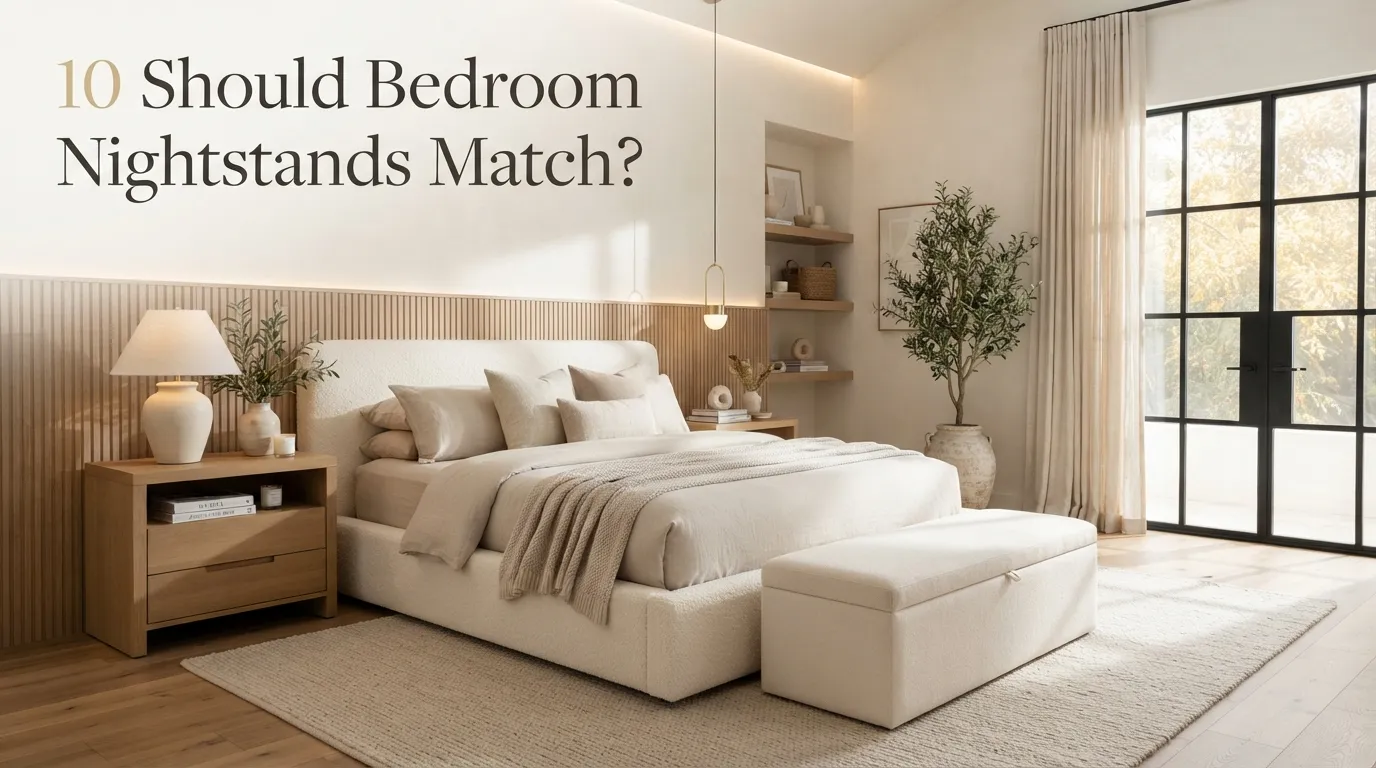
Choosing bedroom furniture often comes with one common question: should bedroom nightstands match? While matching nightstands have long been considered the traditional choice, today’s interior designers are embracing more flexible approaches that allow homeowners to create bedrooms with greater personality and balance. The answer isn’t simply yes or no—it depends on your style, room size, and the overall look you’re trying to achieve.
Many people assume that buying an identical bedroom furniture set is the easiest way to achieve a cohesive design. Although matching pieces certainly create symmetry, mixing different nightstands can make a bedroom feel more curated, collected, and visually interesting. The key is maintaining enough common elements so the room still feels harmonious.
I’ve noticed that the most beautiful bedrooms aren’t necessarily filled with perfectly matching furniture. Instead, they combine similar colors, materials, proportions, and decorative accents to create a balanced look that feels intentional rather than overly coordinated.
Whether you love classic symmetry or prefer an eclectic designer-inspired style, these nightstand ideas will help you decide which approach works best for your bedroom. Each idea offers practical decorating guidance that combines beauty, function, and timeless design.
Table of Contents
- Matching Nightstands
Create classic symmetry. - Mixed Nightstands
Add designer personality. - Coordinated Colors
Unify different furniture. - Balanced Heights
Maintain visual harmony. - Matching Lamps
Tie both sides together. - Shared Materials
- Functional Storage
- Decorative Styling
- Room Proportions
- Personal Preference
1. Matching Nightstands
Quick Benefits
- Creates symmetry
- Timeless appearance
- Easy to decorate
- Balanced layout
- Ideal for traditional bedrooms
Why It Works
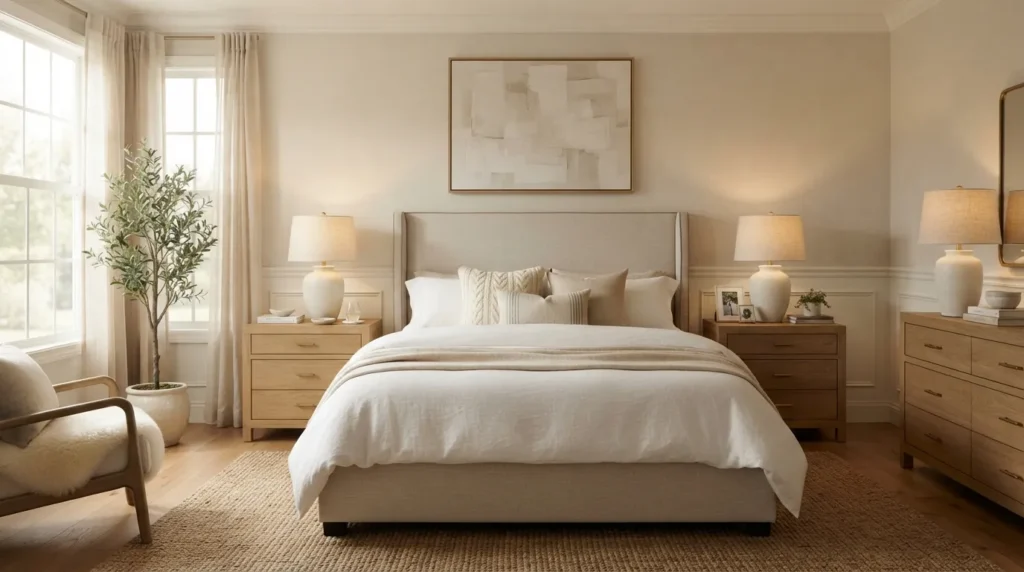
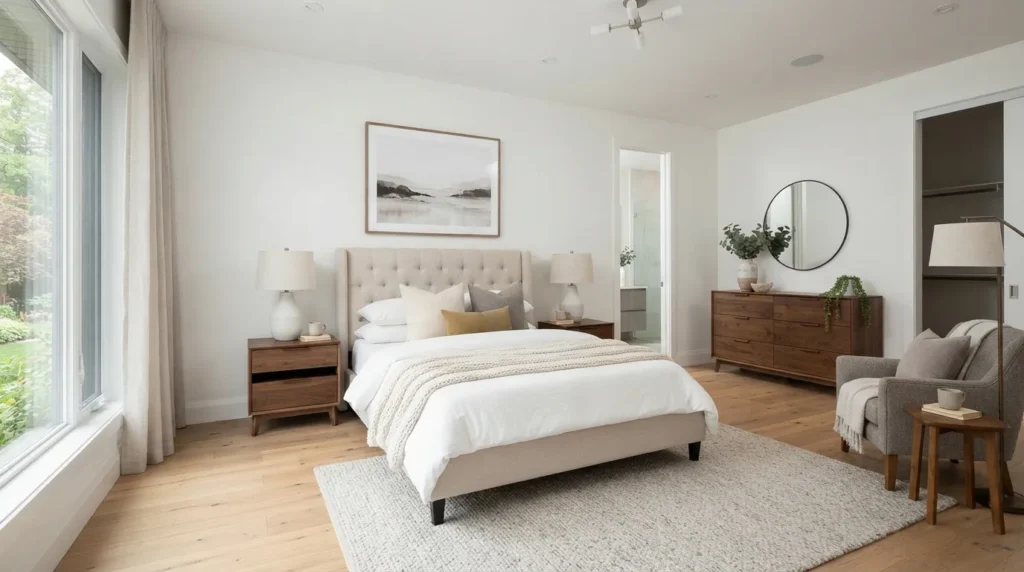
Matching nightstands provide a clean and symmetrical foundation that naturally feels organized and balanced. This classic arrangement works especially well in primary bedrooms where the bed serves as the central focal point. Identical furniture creates visual order while making decorating decisions much simpler.
I’ve found that matching nightstands are particularly effective in smaller bedrooms because they create consistency without introducing unnecessary visual distractions.
How To Style It
Choose matching nightstands with similar finishes, drawer styles, and hardware. Pair them with identical bedside lamps and coordinated decorative accessories for a polished designer-inspired appearance.
Maintain equal spacing on both sides of the bed to reinforce symmetry.
2. Mixed Nightstands
Quick Benefits
- Adds personality
- Creates visual interest
- Feels collected over time
- Supports eclectic styles
- More decorating flexibility
Why It Works
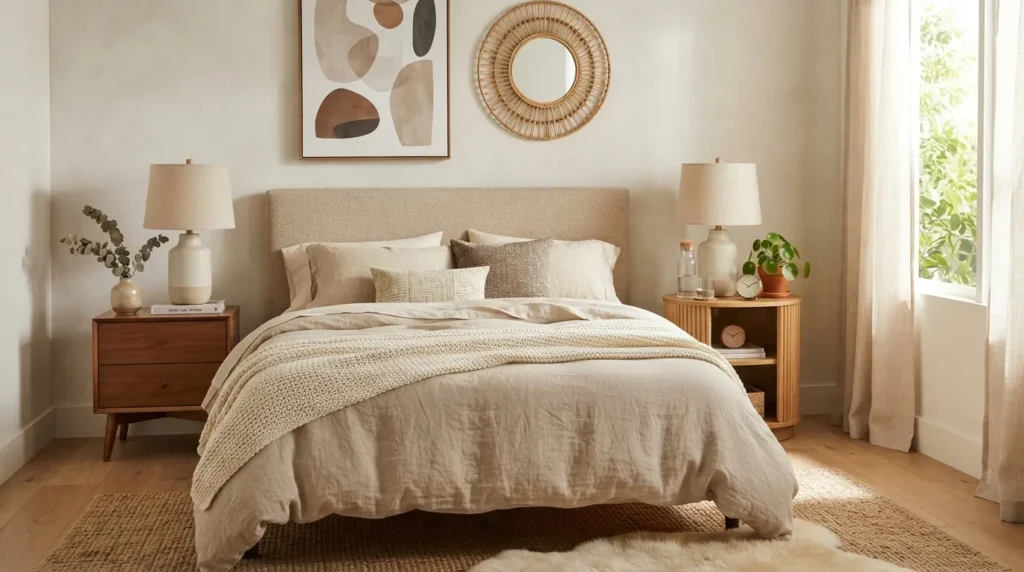
Using two different nightstands creates a relaxed, designer-inspired bedroom that feels thoughtfully curated rather than purchased as a matching furniture set. Mixing styles allows you to incorporate vintage finds, family heirlooms, or unique accent pieces while maintaining balance through shared design elements.
One thing that works especially well is combining different shapes with similar finishes or colors to create harmony without perfect matching.
How To Style It
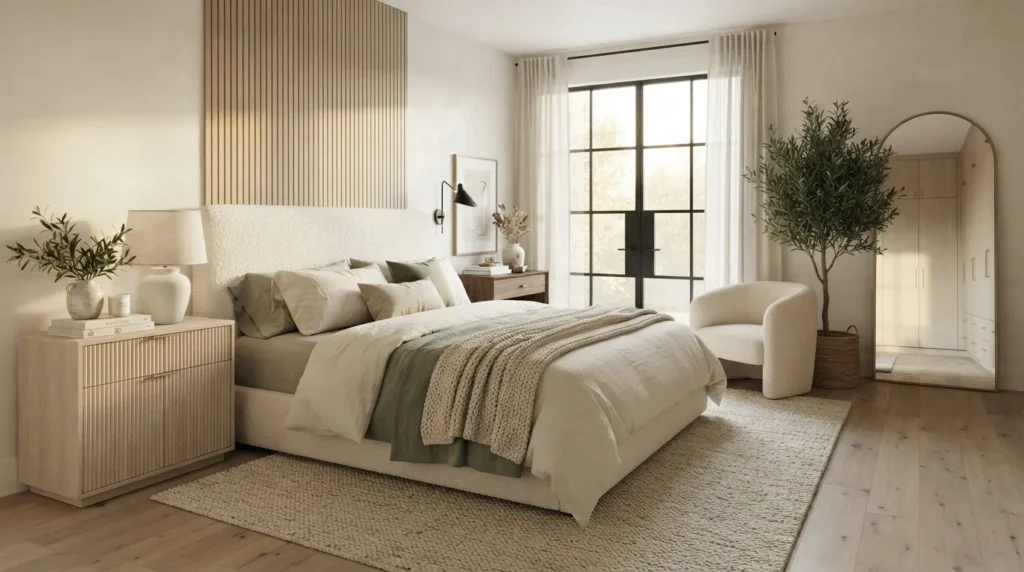
Choose nightstands with comparable heights but different designs. Coordinate them using similar wood tones, hardware finishes, or decorative accessories.
Repeat colors through lamps, artwork, bedding, or rugs to visually connect both sides of the room.
3. Coordinated Colors
Quick Benefits
- Creates cohesion
- Supports mixed furniture
- Timeless decorating choice
- Easy to accessorize
- Reduces visual clutter
Why It Works
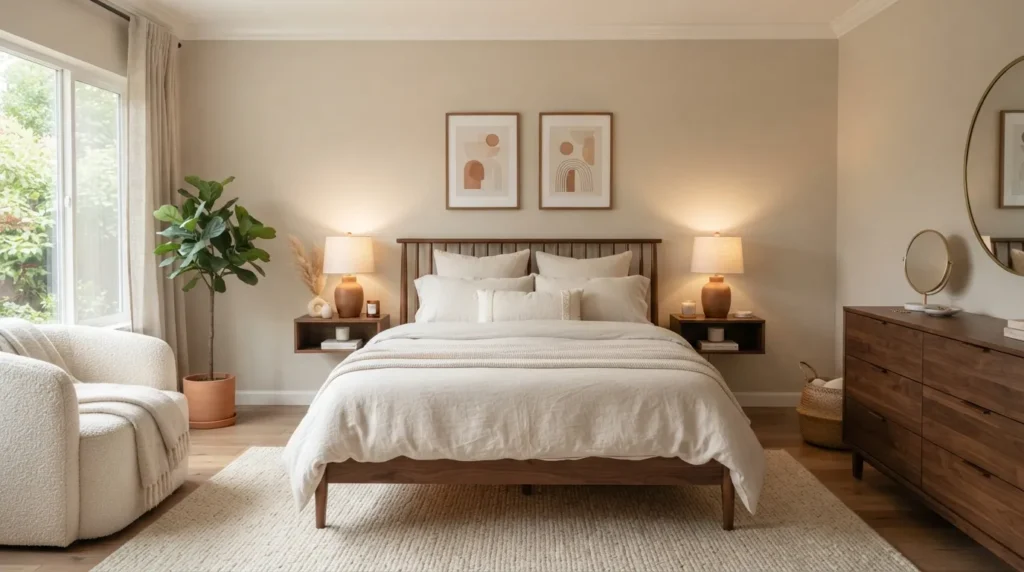
Even when furniture styles differ, a consistent color palette helps unify the entire bedroom. Coordinating colors create visual flow while allowing individual furniture pieces to maintain their own character.
I’ve noticed that bedrooms with consistent colors often feel more relaxing because the eye naturally moves throughout the room without becoming distracted by competing finishes.
How To Style It
Select furniture in complementary shades like natural oak, walnut, white, black, or soft gray. Repeat these colors through bedding, curtains, artwork, and decorative accents.
Limit bold accent colors to a few carefully chosen accessories for a balanced appearance.
4. Balanced Heights
Quick Benefits
- Creates visual harmony
- Improves functionality
- Supports comfortable access
- Looks professionally designed
- Complements the bed
Why It Works
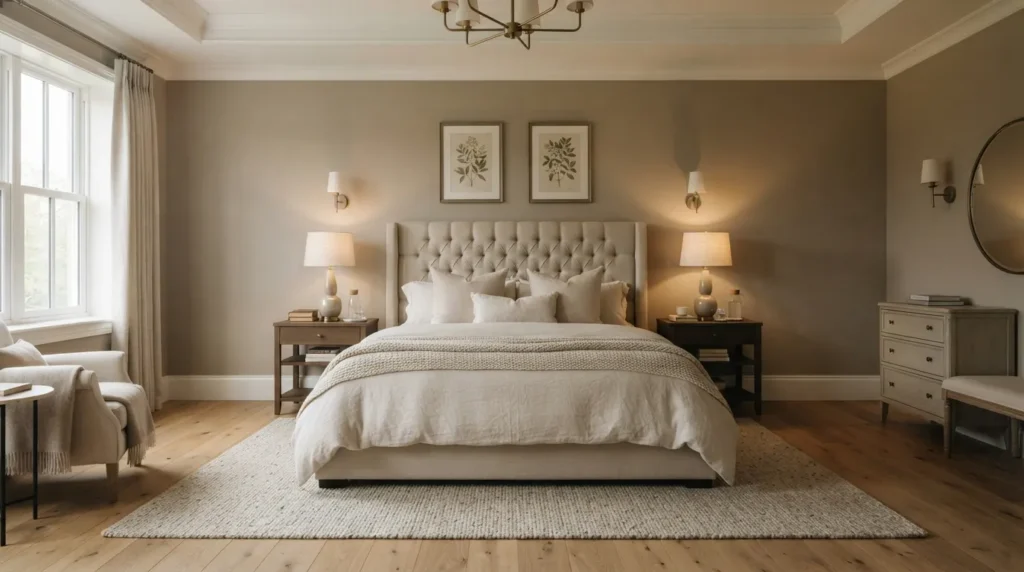
Whether nightstands match or not, keeping them similar in height creates a more balanced bedroom. Equal proportions help lamps, books, and other bedside essentials remain comfortable to reach while maintaining symmetry around the bed.
In my experience, differences in height are often more noticeable than differences in style. Matching proportions naturally create a cohesive design.
How To Style It
Choose nightstands that sit close to the height of your mattress. If styles differ slightly, use similar lamps to help equalize the visual weight on each side.
Leave enough surface space for everyday essentials without overcrowding.
5. Matching Lamps
Quick Benefits
- Creates symmetry
- Balances mixed furniture
- Improves bedroom lighting
- Adds elegance
- Easy design solution
Why It Works
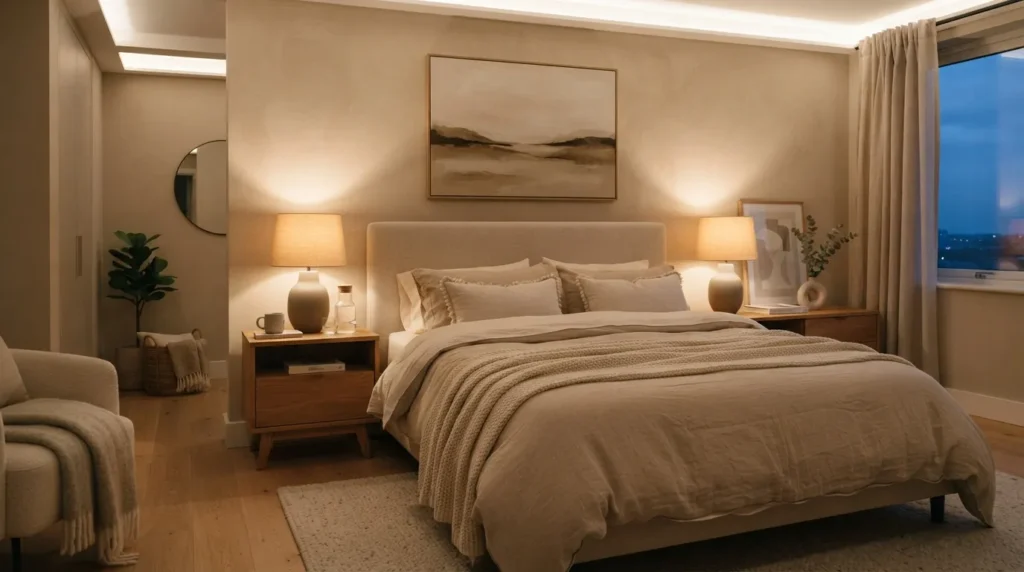
Matching bedside lamps are one of the simplest ways to unify different nightstands. Even if the furniture styles vary, identical lighting creates consistency while improving the room’s overall balance.
I’ve seen bedrooms with completely different nightstands look perfectly coordinated simply because the lamps, bedding, and artwork shared similar design elements.
How To Style It
Choose identical table lamps or matching wall sconces in finishes that complement your bedroom’s overall color palette. Use warm white bulbs to create soft, relaxing lighting.
Pair lamps with similar decorative accessories like books, candles, or ceramic vases to strengthen the cohesive look.
6. Shared Materials
Quick Benefits
- Creates visual consistency
- Blends different furniture styles
- Adds warmth and texture
- Supports timeless design
- Makes the room feel cohesive
Why It Works
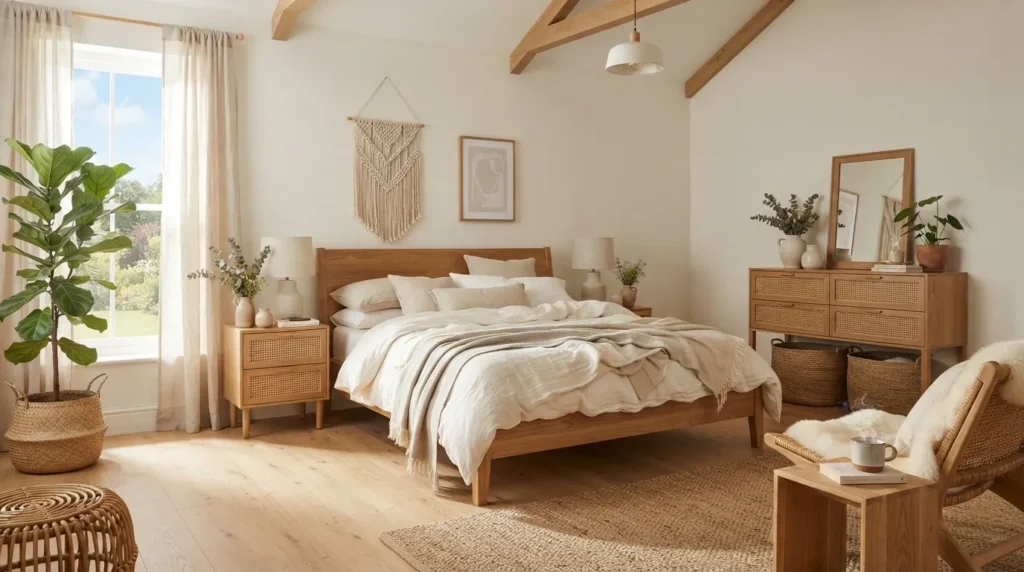
Using similar materials throughout the bedroom helps tie different furniture pieces together. Even if your nightstands don’t match exactly, repeating materials like oak, walnut, rattan, metal, or painted wood creates a sense of unity that makes the room feel intentional.
I’ve noticed that designers often repeat one dominant material throughout the space because it naturally connects furniture without making everything identical.
How To Style It
If one nightstand features natural oak and another includes rattan drawers, repeat those materials elsewhere through mirrors, benches, baskets, or picture frames.
Keep surrounding décor simple so the shared textures become a subtle design feature.
7. Functional Storage
Quick Benefits
- Keeps essentials organized
- Reduces clutter
- Improves daily routines
- Maximizes bedroom storage
- Supports practical living
Why It Works
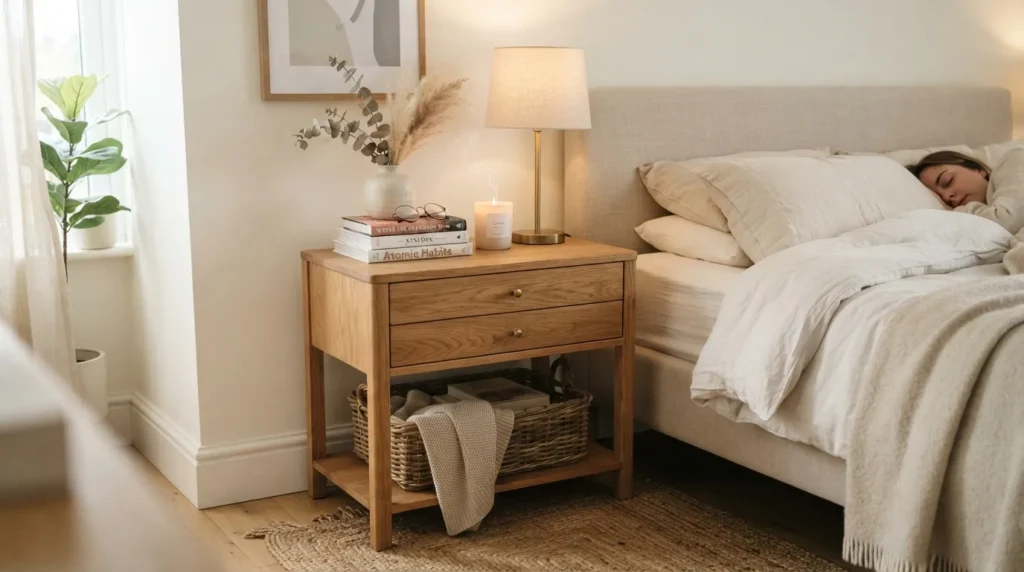
A beautiful nightstand should also be functional. Drawers and shelves keep books, chargers, glasses, and personal items organized while maintaining a clean and relaxing bedroom environment.
One thing that works especially well is choosing storage that fits your lifestyle rather than selecting furniture based only on appearance.
How To Style It
Use drawers for private items and style open shelves with neatly stacked books, baskets, or decorative boxes. Keep the tabletop uncluttered by displaying only a lamp, a small plant, and one or two decorative accessories.
Choose storage solutions that complement the overall bedroom design.
8. Decorative Styling
Quick Benefits
- Adds personality
- Creates designer appeal
- Softens furniture
- Completes the bedroom
- Easy to update seasonally
Why It Works
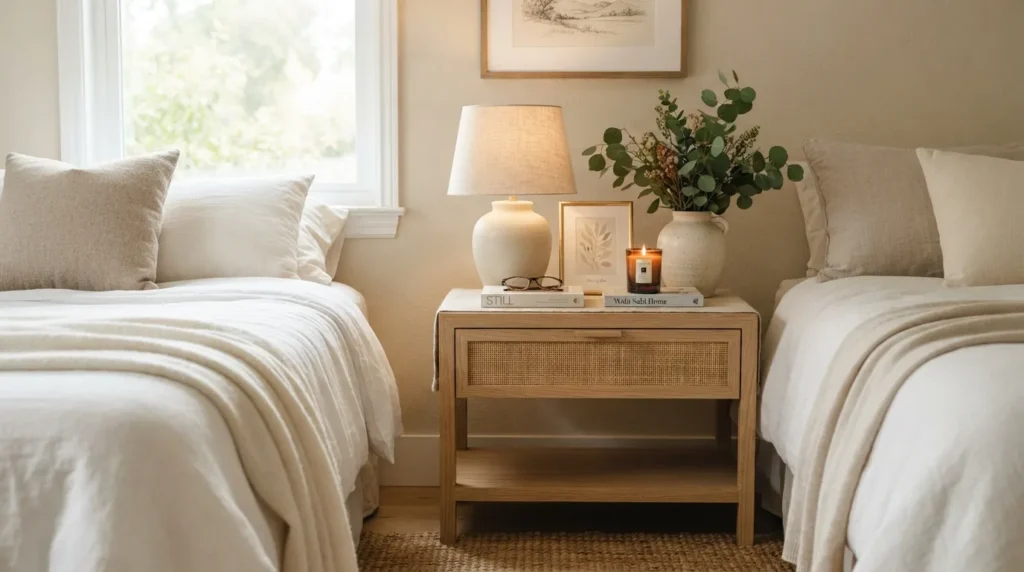
Decorative accessories can visually connect matching or mismatched nightstands while giving the bedroom warmth and personality. Thoughtful styling makes even simple furniture feel elegant without overwhelming the space.
I’ve found that repeating similar decorative objects creates balance while allowing each side of the bed to maintain its own subtle character.
How To Style It
Style each nightstand with a lamp, a framed photo or artwork, a candle, and a small ceramic vase filled with greenery or fresh flowers.
Leave some empty surface space to maintain a clean and uncluttered appearance.
9. Room Proportions
Quick Benefits
- Creates visual balance
- Supports comfortable movement
- Makes rooms feel larger
- Improves furniture scale
- Enhances overall design
Why It Works
The size of your bedroom should influence the size of your nightstands. Oversized furniture can overwhelm a compact room, while very small pieces may appear insignificant beside a large bed.
In my experience, selecting appropriately scaled furniture contributes more to a beautiful bedroom than whether the nightstands perfectly match.
How To Style It
Measure the available space beside the bed before purchasing furniture. Leave enough room for comfortable movement while ensuring each nightstand feels proportionate to the bed.
Choose slimmer designs for smaller bedrooms and larger storage pieces for spacious primary suites.
10. Personal Preference
Quick Benefits
- Reflects your personality
- Creates a unique bedroom
- Encourages creativity
- Supports every decorating style
- Makes the room feel authentic
Why It Works
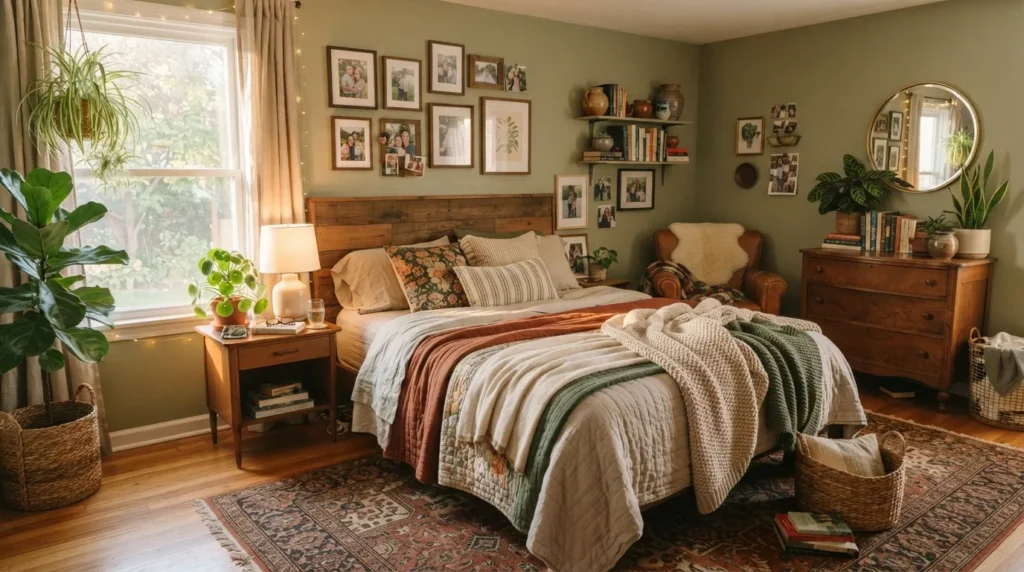
Ultimately, there is no single correct answer to whether bedroom nightstands should match. The best choice is the one that complements your lifestyle, decorating preferences, and the atmosphere you want to create.
I’ve noticed that the most memorable bedrooms reflect the homeowner’s personality rather than following strict decorating rules. Whether you choose matching or mismatched furniture, thoughtful styling creates a beautiful result.
How To Style It
Select furniture that makes you feel comfortable and suits your daily routine. Focus on maintaining balance through color, lighting, texture, and proportion rather than worrying about perfect symmetry.
Allow your bedroom to evolve naturally as your style changes over time.
Frequently Asked Questions
Should bedroom nightstands always match?
No. Matching nightstands create symmetry, but different nightstands can add personality and a designer-inspired appearance when coordinated thoughtfully.
Can different nightstands still look balanced?
Yes. Keeping similar heights, colors, materials, or lamps helps create visual harmony even when the furniture styles differ.
Should bedside lamps match?
Matching lamps are recommended because they create symmetry and help unify both sides of the bed, especially if the nightstands are different.
What height should bedroom nightstands be?
Ideally, the tabletop should sit level with or just slightly below the top of the mattress for comfortable everyday use.
Can I mix wood finishes in the bedroom?
Absolutely. Mixing wood tones creates depth and character as long as the finishes complement one another and are repeated throughout the room.
Are matching bedroom furniture sets still popular?
Many homeowners now prefer mixing furniture pieces to create a more collected and personalized appearance instead of purchasing complete matching sets.
Conclusion
So, should bedroom nightstands match? The answer depends entirely on the look you want to achieve. Matching nightstands offer timeless symmetry and simplicity, while mixing different pieces creates personality and a more curated designer feel.
The most important factor isn’t whether the furniture matches perfectly—it’s whether the room feels balanced, functional, and comfortable. Coordinated colors, similar proportions, layered lighting, and thoughtful styling can successfully tie together almost any combination of furniture.
Whether you choose identical nightstands or mix complementary pieces, focusing on comfort and visual harmony will help you create a bedroom that feels beautiful, practical, and uniquely your own.
Related Articles
- 10 Nightstand Decor Ideas
- 10 Cozy Bedroom Ideas
- 10 Bedroom Furniture Ideas
- 10 Small Bedroom Ideas
- 10 Bedroom Organization Ideas