How to Decorate a Living Room
The living room is one of the hardest spaces to decorate because it has to do so many things at once. It’s where you relax after work, spend time with family, entertain guests, celebrate holidays, and often even work from home. Creating a room that feels stylish while still being practical can seem overwhelming, especially…
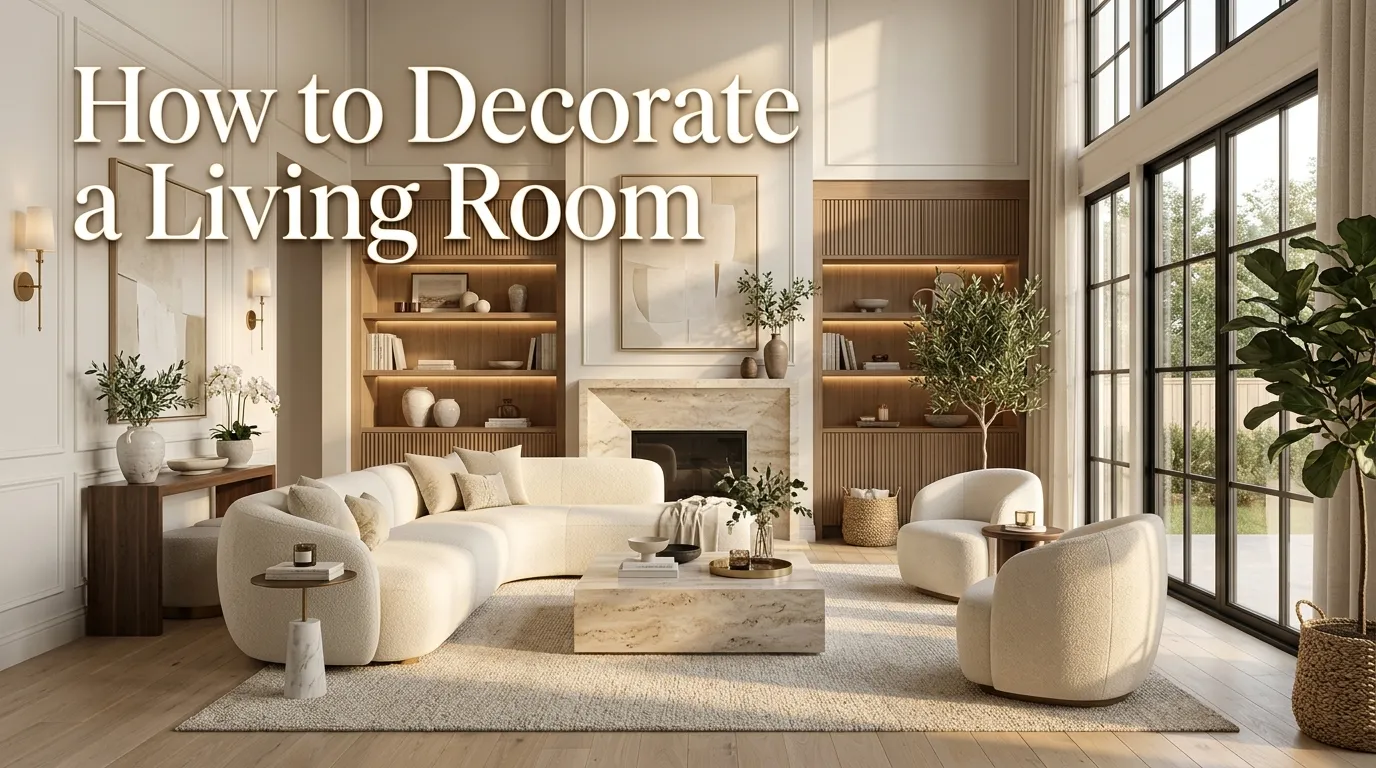
The living room is one of the hardest spaces to decorate because it has to do so many things at once. It’s where you relax after work, spend time with family, entertain guests, celebrate holidays, and often even work from home. Creating a room that feels stylish while still being practical can seem overwhelming, especially when you’re staring at an empty space or trying to update a room that no longer reflects your style.
One thing I’ve noticed is that many homeowners think decorating means buying expensive furniture or following every new trend on social media. In reality, the most inviting living rooms are built around thoughtful planning, comfortable layouts, and timeless design choices. The best spaces feel personal rather than perfect.
Whether you’re decorating your first apartment, refreshing your family room, or giving your home a complete makeover, understanding the basic principles of balance, lighting, color, furniture placement, and texture makes every decorating decision easier.
This guide walks through ten designer-inspired ideas that work in homes of every size and budget. You’ll learn how to choose colors, arrange furniture, add personality, and create a room that feels warm, welcoming, and functional every day of the year.
Table of Contents
1. Choose a Color Palette
Build a cohesive foundation using colors that work together beautifully.
2. Plan Furniture Layout
Arrange furniture to improve comfort, conversation, and daily living.
3. Add Layered Lighting
Use multiple light sources to create warmth and flexibility.
4. Define the Space
Anchor the room with rugs and intentional furniture placement.
5. Decorate the Walls
Turn blank walls into stylish focal points without overcrowding them.
6. Layer Cozy Textures
Mix fabrics and natural materials for warmth and comfort.
7. Style with Accessories
Use decorative accents that reflect your personality.
8. Bring in Greenery
Add life and freshness with indoor plants and natural elements.
9. Create Balance
Distribute colors, furniture, and décor evenly throughout the room.
10. Finish with Personality
Complete the room using meaningful pieces that make it uniquely yours.
1. Choose a Color Palette
Quick Benefits
- Creates a cohesive look
- Makes decorating easier
- Helps furniture coordinate naturally
- Makes the room feel larger
- Provides timeless appeal
Why It Works
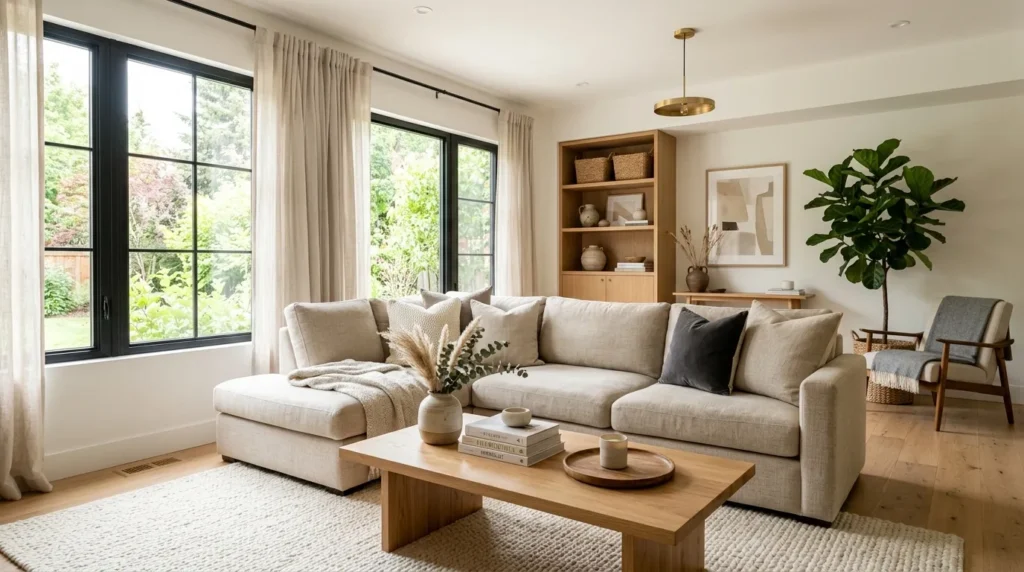
Every beautifully decorated living room starts with a clear color palette. Before buying furniture or accessories, deciding on your main colors creates consistency throughout the space. Warm neutrals remain one of the safest choices because they provide flexibility while making rooms feel bright and welcoming.
I’ve found that limiting the palette to three or four complementary shades prevents the room from looking busy. Instead of competing colors, each design element works together to create harmony. This approach also makes future decorating updates much easier since new pieces naturally blend into the existing design.
How To Style It
Choose one dominant wall color such as warm white, ivory, greige, or soft beige. Add a neutral sofa, then layer accent colors through throw pillows, artwork, rugs, and decorative accessories.
Natural wood tones, black accents, and greenery work beautifully with nearly every neutral palette. If you enjoy seasonal decorating, this foundation allows you to refresh your room with simple accessory swaps rather than replacing large furniture pieces.
2. Plan Furniture Layout
Quick Benefits
- Improves traffic flow
- Makes conversations more comfortable
- Maximizes available space
- Enhances room functionality
- Creates visual balance
Why It Works
A beautiful room can still feel uncomfortable if the furniture isn’t arranged properly. The layout influences how people move, interact, and relax within the space. That’s why designers often plan furniture placement before choosing decorative accessories.
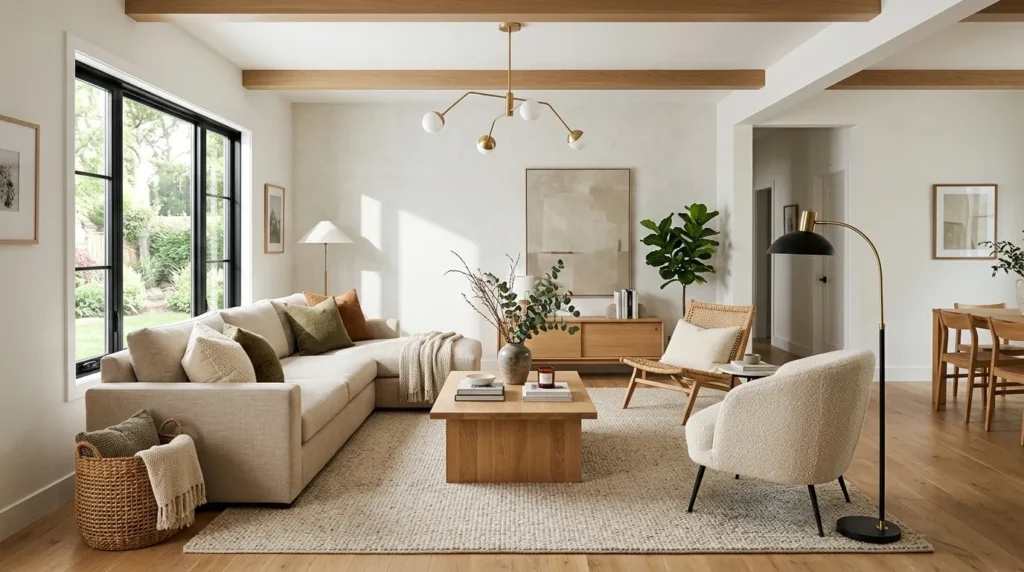
One simple trick I always suggest is creating conversation zones instead of pushing every piece against the walls. Bringing seating slightly inward makes even large rooms feel warmer while encouraging natural interaction.
How To Style It
Place your largest furniture piece, usually the sofa, opposite the room’s main focal point such as a fireplace, television, or large window. Position chairs nearby to create a comfortable conversation area, and center everything around a properly sized area rug.
Keep walking paths clear and leave enough space between furniture pieces so the room feels open rather than crowded. Side tables, floor lamps, and coffee tables should remain easily accessible from every seat.
3. Add Layered Lighting
Quick Benefits
- Creates a cozy atmosphere
- Improves functionality
- Adds depth to the room
- Highlights décor
- Makes evenings more inviting
Why It Works
Lighting is often overlooked, yet it has one of the biggest impacts on how a living room feels. Relying on a single ceiling fixture usually creates harsh shadows and uneven brightness.
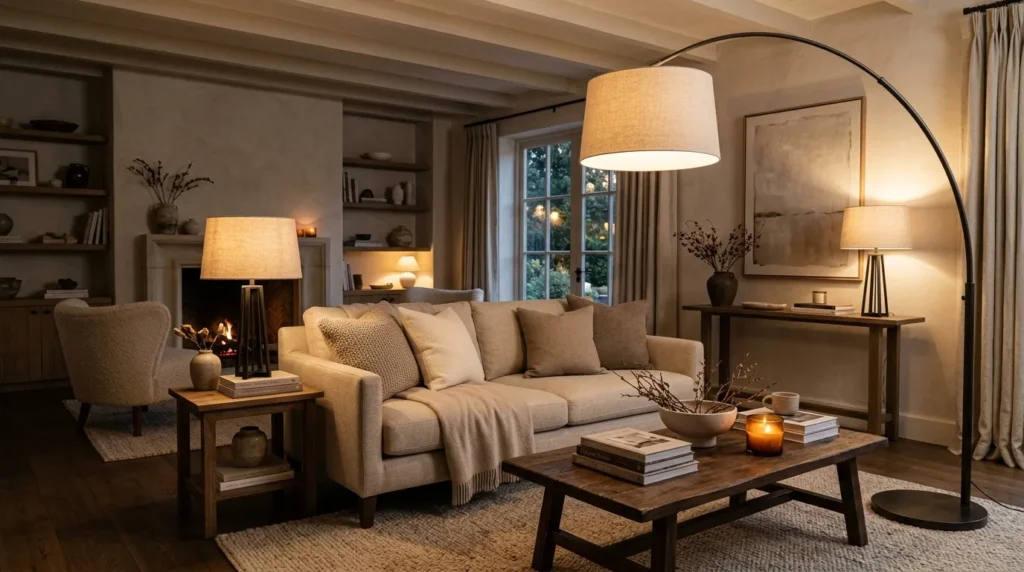
Layering different light sources allows you to adjust the mood throughout the day. Ceiling lights provide overall illumination, table lamps create warmth, floor lamps brighten reading areas, and candles introduce soft ambient light during the evening.
How To Style It
Choose warm white bulbs between 2700K and 3000K. Place table lamps beside seating, add a floor lamp in darker corners, and install dimmers whenever possible for greater flexibility.
Natural daylight should also be maximized with light-filtering curtains that brighten the room without sacrificing privacy.
4. Define the Space
Quick Benefits
- Anchors furniture visually
- Separates functional areas
- Makes rooms appear organized
- Adds softness
- Improves overall balance
Why It Works
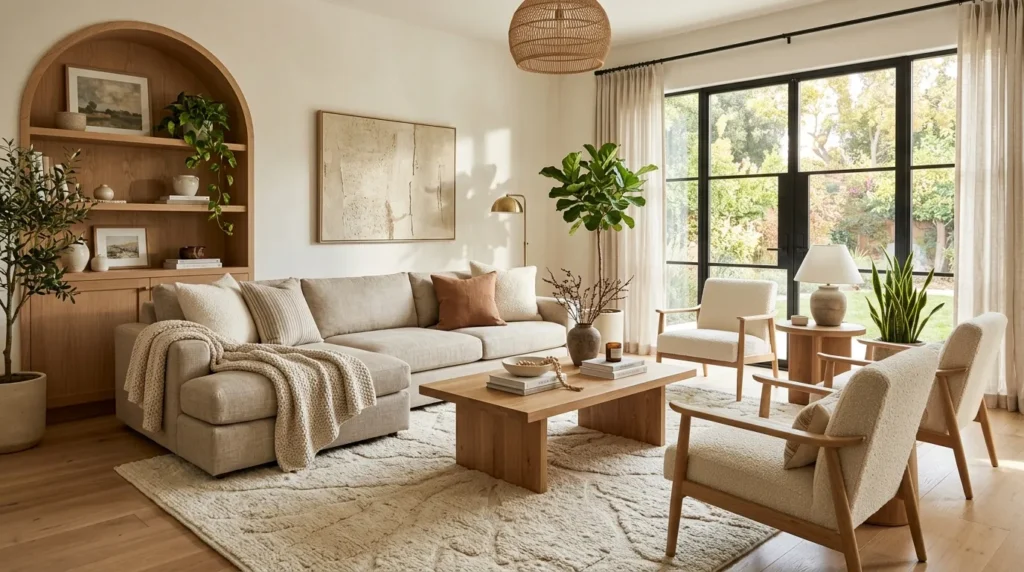
Large rooms can feel disconnected without clear visual boundaries. Area rugs help define seating arrangements while making the room feel more intentional and complete.
A mistake many homeowners make is choosing rugs that are too small. When furniture partially sits on a properly sized rug, the entire seating area feels unified rather than scattered.
How To Style It
Select a rug large enough for at least the front legs of every major seating piece to rest on it. Layer different textures through rugs, throws, and pillows while maintaining a cohesive color palette.
Use coffee tables and side tables to reinforce the central seating arrangement, keeping everything proportional to the room size.
Pinterest Image Prompt
Contemporary living room featuring a large textured ivory area rug beneath a neutral sectional, oak coffee table, accent chairs, layered textiles, oversized windows, warm sunlight, balanced modern décor, Pinterest-inspired interior styling.
5. Decorate the Walls
Quick Benefits
- Adds personality
- Creates focal points
- Balances empty space
- Enhances room height
- Completes the design
Why It Works
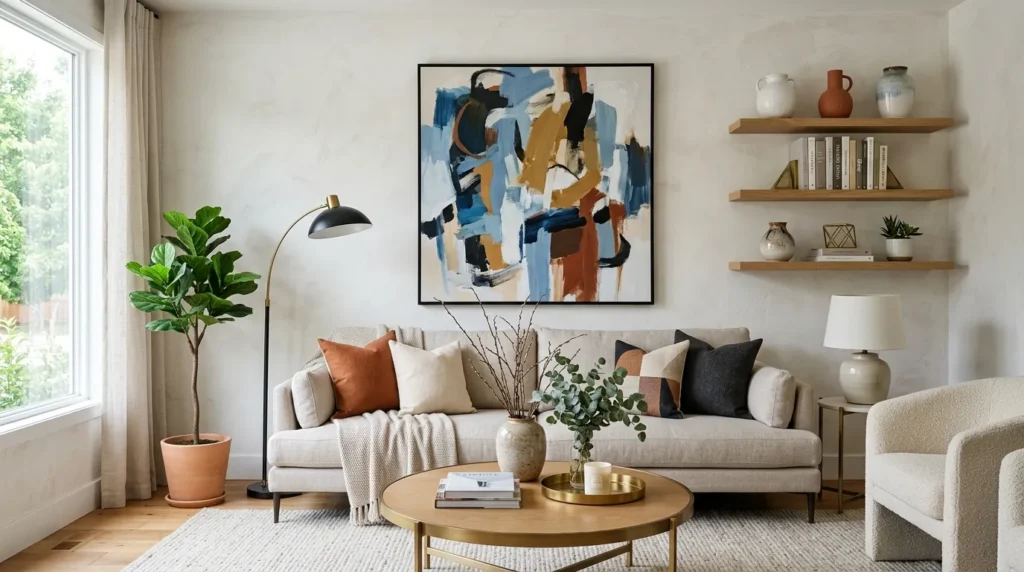
Walls provide the perfect opportunity to express your personality without adding floor clutter. Whether through oversized artwork, mirrors, floating shelves, or framed prints, wall décor helps guide the eye throughout the room.
Rather than covering every available surface, choosing one or two statement areas often creates a cleaner and more sophisticated appearance.
How To Style It
Hang artwork at eye level above the sofa or fireplace. Mix artwork with decorative mirrors to reflect natural light and make smaller rooms feel larger.
Floating shelves styled with books, ceramics, plants, and framed photographs add depth while allowing you to update your décor throughout the year without making major changes.
6. Layer Cozy Textures
Quick Benefits
- Makes the room feel warm and inviting
- Adds depth without introducing extra color
- Softens modern furniture and clean lines
- Creates a cozy, high-end atmosphere
- Works beautifully with every decorating style
Why It Works
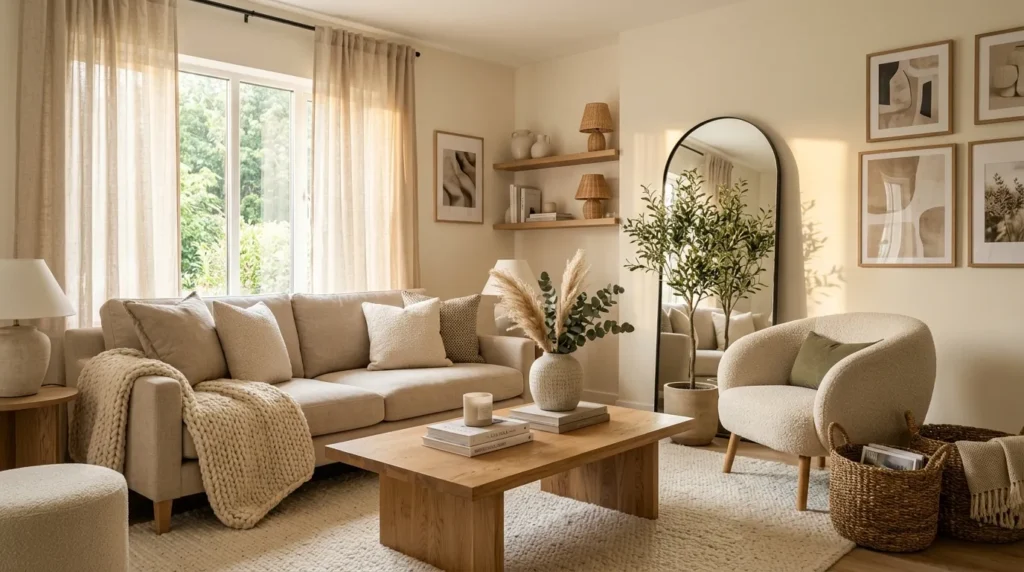
Texture is one of the most important elements in interior design. Even the simplest color palette can feel rich and sophisticated when different materials are layered together. Combining soft fabrics, natural wood, woven fibers, ceramics, and plush textiles adds visual depth while making the room feel comfortable and lived in.
Instead of relying on bold colors or excessive décor, designers use texture to create warmth and dimension. The contrast between smooth, rough, soft, and natural surfaces reflects light differently throughout the day, giving the room a more balanced, inviting, and professionally styled appearance.
How To Style It
Start with a large textured area rug to define the seating area, then layer linen or velvet throw pillows on the sofa. Add a chunky knit blanket over one arm of the couch, incorporate a boucle accent chair, and include woven baskets for both storage and texture.
Mix materials such as oak wood, leather, wool, cotton, rattan, and ceramic accessories instead of matching every finish perfectly. Complete the look with floor-length linen curtains to soften the room and make the ceilings appear taller.
7. Style with Accessories
Quick Benefits
- Adds personality and character
- Makes the room feel complete
- Highlights your decorating style
- Easy to refresh seasonally
- Creates visual balance and interest
Why It Works
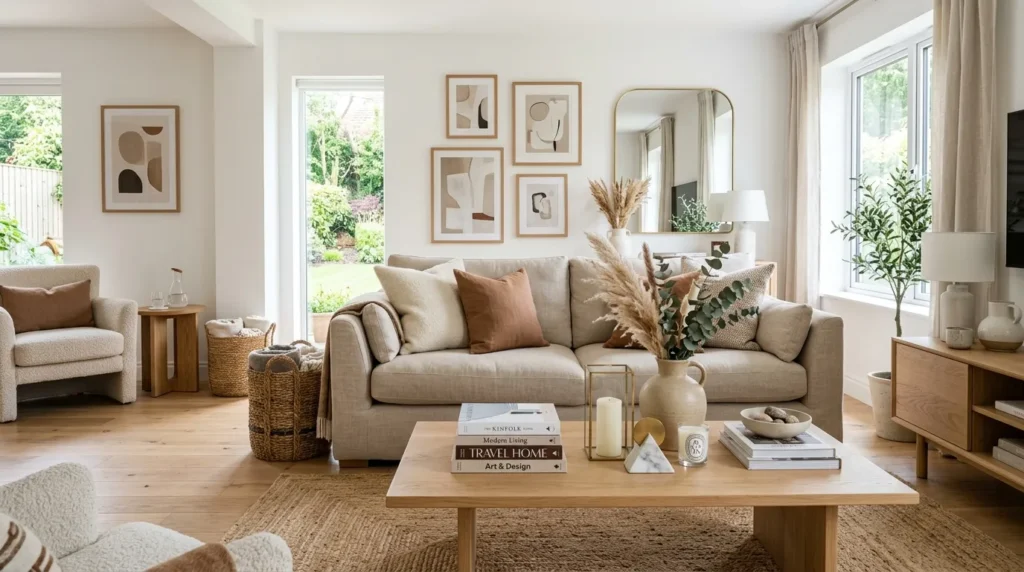
Accessories are the finishing touches that transform a beautifully furnished room into a welcoming home. Decorative objects help tell your story while adding warmth, texture, and visual interest without overwhelming the space.
Rather than filling every shelf or tabletop, professional designers carefully select a few meaningful pieces that vary in height, shape, and material. This curated approach creates a sophisticated look while making it easy to update your living room with seasonal décor whenever you want a fresh new feel.
How To Style It
Use decorative trays on coffee tables to organize candles, coffee table books, and small vases into one cohesive display. Style shelves with framed artwork, sculptural objects, ceramic bowls, and woven baskets for added texture.
Arrange accessories in groups of three or five for a more natural appearance, and leave some open space on shelves and tabletops to prevent the room from feeling cluttered.
8. Bring in Greenery
Quick Benefits
- Adds freshness and life
- Softens modern furniture
- Introduces natural color
- Creates a calm atmosphere
- Complements every decorating style
Why It Works
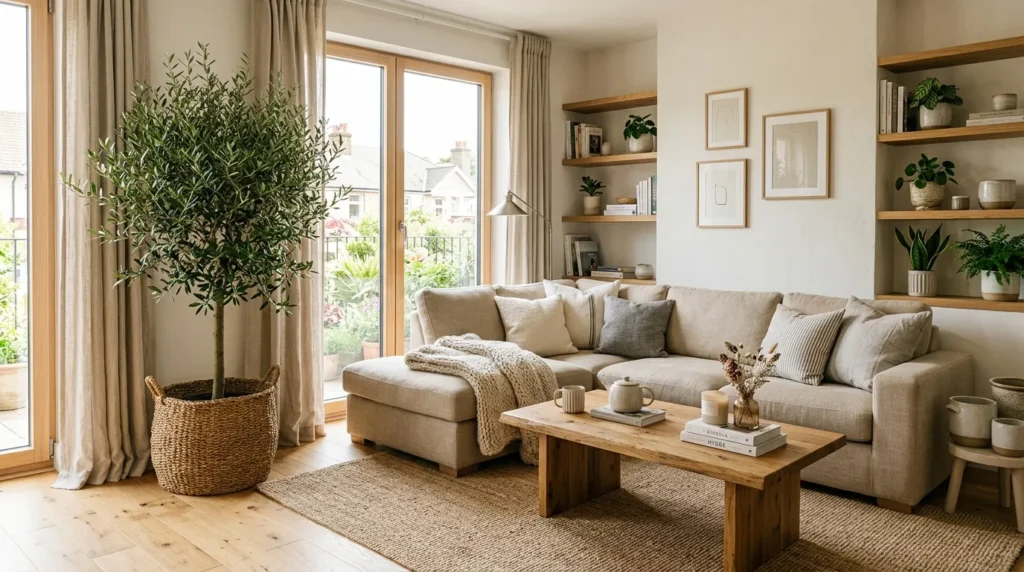
Plants instantly make a living room feel brighter, healthier, and more welcoming. Whether you choose one large statement plant or several smaller varieties, greenery introduces organic texture that beautifully balances furniture, textiles, and decorative accessories.
Natural greenery also helps connect indoor spaces with the outdoors, making the room feel more relaxing and inviting. High-quality faux plants can achieve a similar visual effect if maintaining live plants isn’t practical for your lifestyle.
How To Style It
Place a tall olive tree or fiddle leaf fig beside a bright window to fill empty corners and add height. Style smaller plants on floating shelves, console tables, side tables, or bookcases throughout the room.
Choose woven baskets, matte ceramic planters, or natural stone pots that coordinate with your color palette. Vary plant sizes and heights to create a layered, natural look.
9. Create Balance
Quick Benefits
- Prevents the room from feeling crowded
- Improves visual flow
- Creates harmony throughout the space
- Makes decorating feel effortless
- Enhances everyday comfort
Why It Works
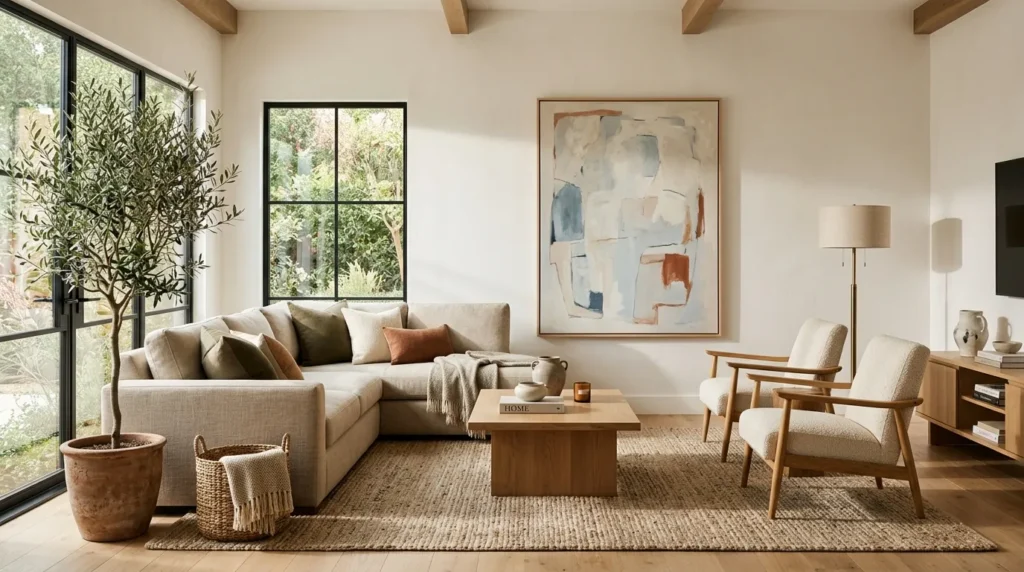
Balance is one of the fundamental principles of great interior design. It ensures that no single area of the room feels visually heavier than another. A balanced space naturally feels calmer, more organized, and easier to enjoy.
This doesn’t mean every piece has to match perfectly. Instead, it’s about thoughtfully distributing furniture, artwork, lighting, colors, and decorative accents so the room feels cohesive. Repeating similar materials and colors throughout the space helps create visual harmony without making the design feel overly formal.
How To Style It
If your sofa anchors one side of the room, balance it with accent chairs, a floor lamp, or a large indoor plant on the opposite side. Repeat finishes such as wood, metal, or fabric throughout the room instead of concentrating them in one area.
Use mirrors, artwork, lighting, and greenery to distribute visual weight evenly while maintaining an open, welcoming layout.
10. Finish with Personality
Quick Benefits
- Makes the room uniquely yours
- Reflects your lifestyle
- Adds warmth and character
- Creates meaningful conversation pieces
- Gives the space timeless appeal
Why It Works
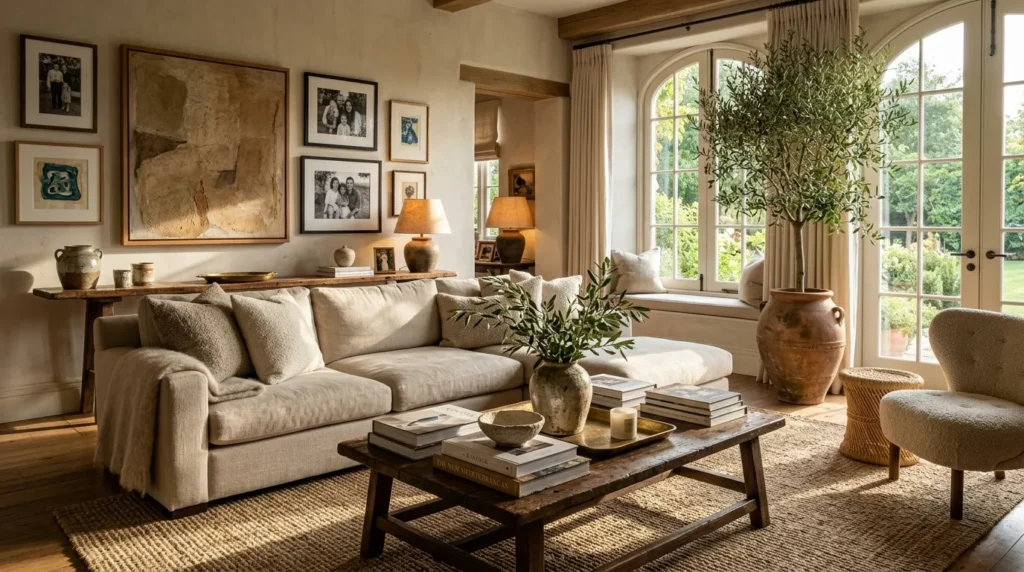
The most memorable living rooms are those filled with personal touches that reflect the people who live there. While design inspiration is helpful, your home should tell your own story rather than look like an exact copy of a magazine or Pinterest photo.
Family photographs, travel souvenirs, vintage treasures, handmade pottery, meaningful artwork, and favorite books add authenticity that cannot be purchased. These carefully chosen details make a home feel welcoming, collected, and timeless.
How To Style It
Display artwork you genuinely love, favorite books, family photographs, heirloom pieces, and handcrafted accessories throughout the room. Blend vintage finds with newer furniture to create a layered, collected aesthetic that feels both personal and sophisticated.
Edit your décor occasionally, keeping only the pieces that contribute beauty, purpose, or meaningful memories.
Frequently Asked Questions
How do I start decorating a living room?
Start by choosing a cohesive color palette and creating a functional furniture layout. Once the larger pieces are in place, gradually add lighting, rugs, artwork, window treatments, and decorative accessories. Decorating in layers creates a more balanced, polished look while helping you avoid unnecessary purchases.
What should be the focal point of a living room?
A living room’s focal point is usually a fireplace, television, large picture window, or statement artwork. Arrange seating around this feature to create a comfortable conversation area and establish a natural visual center for the room.
How can I decorate a small living room?
Use light-colored walls, multifunctional furniture, mirrors, and appropriately sized rugs to maximize the available space. Keep walkways open, avoid oversized furniture, and make use of vertical wall space with shelving or artwork to create the illusion of a larger room.
What colors make a living room feel bigger?
Soft white, ivory, warm beige, greige, pale gray, and light taupe reflect natural light and make a room appear brighter and more spacious. Pair these shades with simple furnishings and minimal clutter to enhance the open, airy feel.
How many decorative accessories should I use?
Focus on quality rather than quantity. A few thoughtfully selected accessories create a more elegant look than overcrowding every surface. Leaving some negative space allows each decorative piece to stand out while maintaining a clean and sophisticated appearance.
What’s the biggest decorating mistake to avoid?
One of the most common decorating mistakes is purchasing furniture before planning the layout. Always measure your room, establish a furniture arrangement, and choose a cohesive color palette before shopping to ensure every piece fits both your space and your overall design vision.
Conclusion
Learning how to decorate a living room isn’t about following rigid design rules or purchasing expensive furniture. It’s about creating a space that feels comfortable, functional, and reflects your personal style. By combining a thoughtful furniture layout, a cohesive color palette, layered lighting, cozy textures, beautiful greenery, and meaningful accessories, you can create a living room that feels warm, inviting, and effortlessly stylish.
Remember that great interior design develops over time. Instead of rushing to complete the room all at once, focus on adding quality pieces that you truly love. Small improvements—such as updating your lighting, introducing natural textures, incorporating greenery, or rearranging your furniture—can dramatically enhance both the appearance and functionality of your space.
Whether your style leans modern, farmhouse, traditional, Scandinavian, or transitional, these decorating principles provide a timeless foundation that works in nearly every home. Begin with one idea, build your room thoughtfully, and enjoy creating a living space that you’ll love for years to come.
Related Articles
- 10 Modern Living Room Ideas You’ll Love
- Small Living Room Ideas That Maximize Space
- Neutral Home Décor Ideas for Every Room
- Cozy Apartment Living Room Decorating Ideas
- Luxury Living Room Design Ideas That Feel Timeless